1. Introduction
The simplest answer is that an impact driver is primarily used for driving screws and tackling home projects. An impact wrench is used for heavy bolts and car repairs.
|
Feature |
Impact Driver |
Impact Wrench |
|
Main Job |
Driving screws |
Turning bolts |
|
Power |
Medium High speed |
High torque |
|
Tool End |
1/4-inch hex |
Square drive |
|
Best Use |
Excellent for loosening and tightening bolts in automotive repair and heavy machinery. |
Excellent for loosening and tightening bolts in automotive repair and heavy machinery. |
At first glance, you will hardly make any difference because they make a similar clicking sound. However, they are useful for different tasks. If you choose the wrong tool, your screw can be damaged. For that reason, it is important to understand which tool is suitable for each job.
2. What Is an Impact Driver?
An impact driver is a small and fast tool that can drive long screws into wood or metal. It has a six-sided hole at the front that holds hex bits tightly. Builders and DIY users love it because, unlike a standard drill, it not only rotates. When encountering resistance, the impact driver engages its hammer mechanism to deliver higher torque — applying extra rotational force in sharp bursts.
How Does an Impact Driver Work?
An impact driver depends on a hammer and an anvil that create more power. When the tool feels resistance from a tough screw, a spring pushes a heavy hammer to hit a metal part called the anvil. This strike creates a quick, powerful burst of turning force, so it helps drive the screw in without damaging the head.
How it helps you:
- Fast Spinning
- Impact Action
- No Kickback
Key Features of Impact Drivers
No chuck at the front — that is the first thing you notice. Instead, there is a 1/4 inch hex collet. Bits click in and out fast, which matters a lot when you are switching between screw types on a job site.
The body is short. That shortness is intentional — tight corners, inside cabinets, cramped framing cavities. These are exactly the spaces where impact drivers shine. Torque is lower than a wrench, yes, but for wood and standard fasteners, it is more than enough.
Benefits of Using Impact Drivers
Your wrist will thank you. With a regular drill, a sudden stall can jerk the tool sideways hard. Impact drivers redirect that energy through the hammer mechanism instead, so the user feels far less of it.
Cam-out, where the bit slips out of the screw head, is significantly reduced. That is when the bit slips out of the screw head and chews it up. Because the driver is constantly tapping the bit forward while turning, it stays seated. Screws come out clean. Heads stay intact.
What Does an Impact Driver Do?
Long screws into dense wood. Deck boards. Cabinet frames. Metal studs. Pressure-treated lumber that would make a regular drill cry. It efficiently handles all tasks—quickly and cleanly—while minimizing complications.
Common Uses:
- Building decks and fences.
- Installing cabinets.
- Driving self-tapping screws into metal studs.
- Putting together wood frames.
- Hanging heavy doors.
3. What Is an Impact Wrench?
An impact wrench is bigger and heavier than a driver. It is specifically designed for applications involving heavy-duty tasks such as automotive and industrial repairs. While a driver is used for wood and screws, the impact wrench is used for cars and factories. It is the best tool for moving very large or heavy bolts.
How Does an Impact Wrench Work?
Same basic idea as the driver — impacts, hammer, anvil — but scaled up significantly. The internal components of an impact wrench are larger, delivering greater impact force and torque compared to an impact driver.
When you press the trigger, a heavy metal part inside the tool spins very fast to build power. This power is sent to the bolt in quick, strong hits. A regular cordless impact wrench is very strong, but High-end models are capable of delivering significantly higher torque ratings, making them suitable for more demanding applications. This powerful force is effective at loosening stubborn bolts that may be rusted or corroded.
Key Features of Impact Wrenches
The front of the power tool has a square drive instead of a hex hole. It usually comes in sizes like 3/8 inch, 1/2 inch, or 1 inch. You put sockets directly onto this square peg without needing any bits and adapters.
The tool is larger and heavier to accommodate robust internal components designed for handling high torque.Most new models use batteries, which is much easier than older tools that needed a loud air compressor and a hose. Good models also have power settings, so you can use low power for small parts or maximum power for old, stuck bolts.
Benefits of Using Impact Wrenches
Changing a tire by hand with a manual tool takes a lot of time and effort. With a cordless impact wrench, those same nuts come off in seconds. This represents a significant improvement in operational speed compared to manual tools.
These tools are also very tough. They are built to work in dirty places with grease, rain, and heavy shaking. The turning power they give is much stronger than what a human can do by hand. This is very important for bolts that are stuck tight or covered in rust for many years.
What Does an Impact Wrench Do?
Automotive work is the most common use. It is perfect for tires, brakes, engines, and other car parts. But it is also used for more than just cars. It excels at handling large bolts in applications such as heavy timber constructions, industrial machinery, and agricultural equipment.Use this tool for any bolt that is big, tight, and difficult to move.
Common Uses:
- Removing lug nuts during tire changes.
- Fixing lawn mower blades.
- Disassembling engine parts.
- Driving large lag bolts into timber.
- Tightening bolts on heavy machinery.
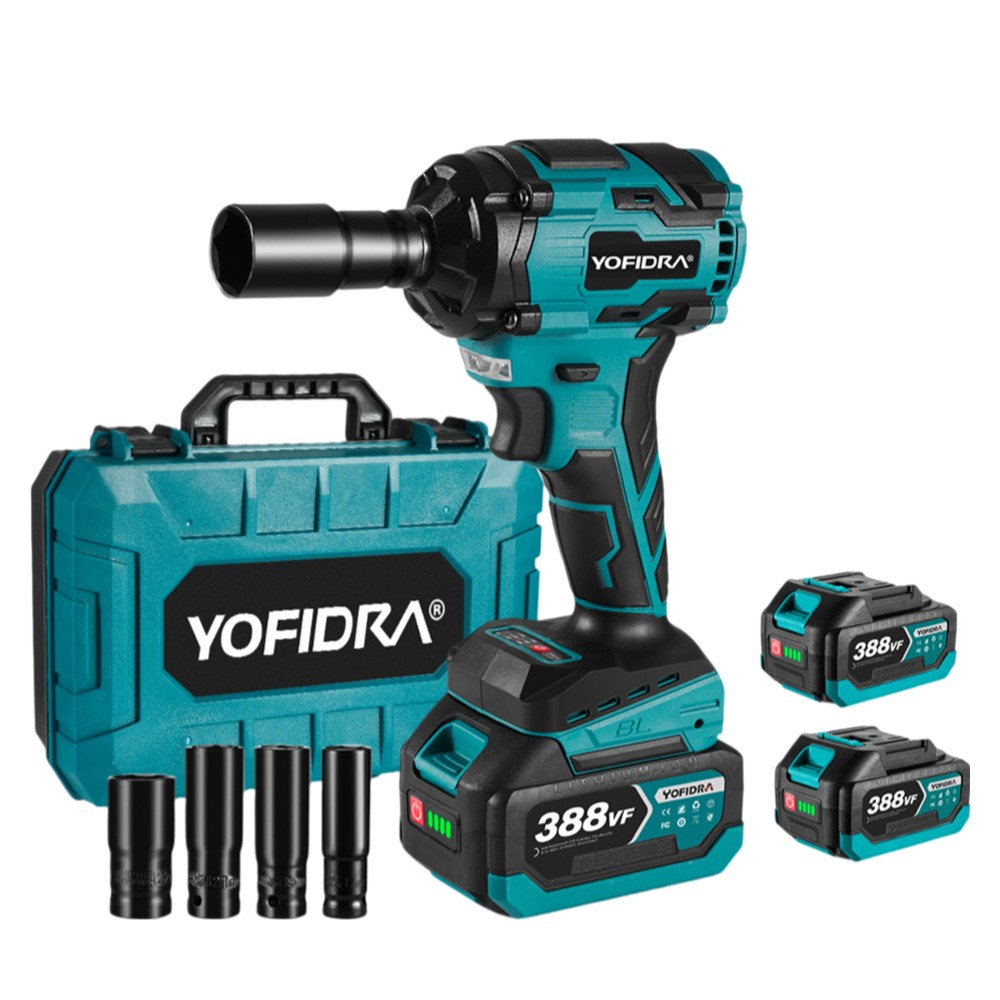
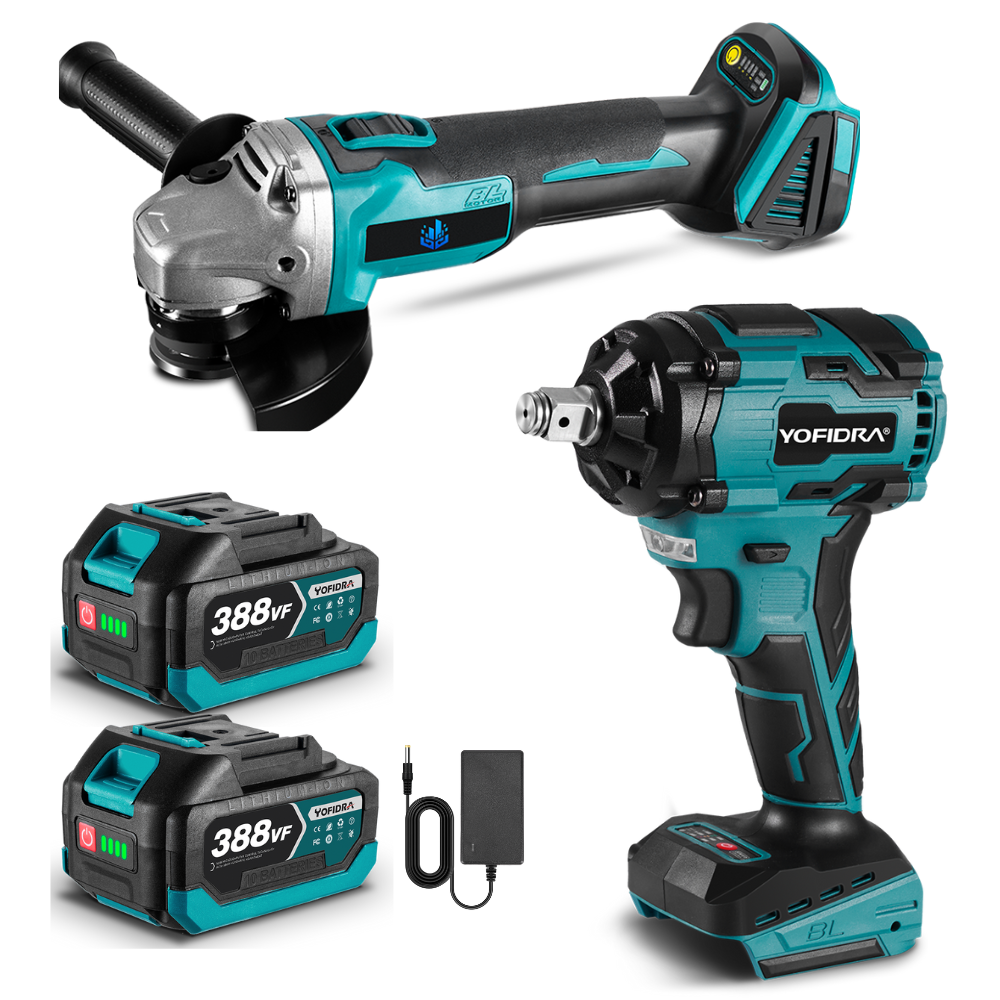
The NewBeny 1/2" 1200N . m Impact Wrench offers the perfect balance of size and power. With 1200N.m of torque, you can easily handle lug nuts and suspension bolts.
4. What is the Difference Between Impact Drivers and Impact Wrenches?
Generally, new users mix these tools up because they look very similar. However, you should not use them for the same purpose. For example, using an impact driver on heavy bolts may damage the fasteners, while using an impact wrench on screws can lead to over-torquing.
Drive Mechanism: Hex vs Square Drive
The impact driver generally has a 1/4-inch hex opening at the front. You can change bits quickly, which is advantageous when frequently switching between different screw types.
The impact wrench has a square drive in different sizes. these are 3/8, 1/2, or 1 inch. Sockets lock onto this square peg very tightly. An important point is that the design is built to handle much more power than the small hex opening.
You should not try to use one tool for another job. You can buy adapters, but they are not strong enough for heavy work and can break easily.
Torque Output and Impact Mechanism Differences
The impact driver power is between 150 and 200 foot-pounds. It is pretty good for driving screws, but it is not enough for large bolts.
The torque output of impact wrenches generally starts higher than that of impact drivers and can reach upwards of 1,000 foot-pounds or more, depending on the model.Similarly, inside the tool, the hammer is heavier, and the spring is stronger, so each hit is much more powerful.
Screws often require both speed and control, which is effectively provided by the impact driver. Large bolts that have been stuck for years need raw strength, and that is where the impact wrench works best.
Size Comparison Between Impact Drivers and Impact Wrenches
Impact drivers are small and light by design. They can fit into tight spaces where larger tools cannot reach. This design allows for ease of use in tight spaces without the need to disassemble surrounding components.
Impact wrenches are different. Even the compact models are bigger and heavier than a driver. The most powerful versions are very large. Sometimes, you select your tool based on its physical size rather than its power or price, simply because a big wrench is not suitable for a small space.
Weight Differences: Which Tool Is Easier to Handle?
A typical impact driver weighs about two pounds. It is light enough to use with one hand for a long time without making your arm tired.
An impact wrench with its battery can weigh six to eight pounds. This feels very heavy if you have to hold it above your head for a long time. Users may experience quicker muscle fatigue when holding an impact wrench overhead for extended periods.
For regular home projects, the impact driver is much more comfortable to use.
Ergonomic Features and User Comfort
Both tools usually come with rubber grips and LED work lights. That is fairly standard now. But the experience of using them is quite different.
The impact driver produces lighter, quicker vibrations, while the impact wrench generates harder, more forceful vibrations— some models include a side handle specifically because the torque can make control difficult. For extended screw-driving, a driver is far more pleasant. For quick and powerful bolt work, the wrench is the preferred choice, although it may cause hand fatigue more quickly.
5. When to Choose an Impact Wrench
Some users assume an impact driver can handle every fastening task. In reality, there are many situations where only an impact wrench will provide enough power.
Situations Requiring High Torque
Metal-to-metal fastening creates far more resistance than driving screws into wood. When steel parts are tightly bolted together, an impact driver may stall due to insufficient torque.An impact wrench does not have that problem.
Best Choice for Removing Fasteners
Removal is almost always harder than installation. Rust, heat cycles, factory torque specs — all of these can make a bolt nearly impossible to move manually. An impact wrench breaks that bond. A breaker bar, commonly used for loosening stubborn bolts, may round the bolt head if too much force is applied.
Applications in Automotive Repair and Tire Changes
Today, cordless impact wrenches are widely used in various applications, particularly in automotive repairs. They are perfect for changing tires, fixing brakes, and working on car suspension. The wrench does all the hard work very quickly, so you do not have to use much physical strength like you would with a hand tool.
Demands in Heavy Industry and Construction Projects
Large buildings with metal bolts, heavy wood structures, and farm machines need a lot of power. These components often require a level of torque that a standard impact driver may not be able to provide.There are very large one-inch wrenches made specifically for this kind of heavy work.
When working on tractors, you need more than just a standard tool. The NewBeny 3/4" cordless impact wrench provides a massive 3300N · m of torque for heavy-duty work.
Tools Suitable for Mass Production and Assembly Lines
In a factory, every part must be the same. Impact wrenches with torque-limiting settings make sure every bolt is tightened to the exact same level every time. This allows for high-speed operation and consistent results that may be difficult to achieve manually.
Scenarios for Efficient Work in Tight Spaces
Small, compact, or stubby impact wrenches are made for this. Car engines have very little room inside. A short wrench can reach bolts in these tight spots that a normal long tool or a hand tool simply cannot touch.
6. When to Choose an Impact Driver
Even though the impact wrench is more powerful, the impact driver remains one of the most practical and widely used tools for general fastening work.
Perfect for Driving Long Screws
Four-inch screws for a deck or six-inch screws for heavy wood are not an issue. A regular drill will stop or may struggle, but the impact driver continuously delivers rotational force, allowing it to drive screws effectively. The battery life will also be good because the motor does not have to work as hard.
Best for Light to Moderate Fastening Tasks
You can use this tool for shelves, door hinges, garden gates, and common repairs in homes. Using a big wrench for these jobs will require a lot of power. Too much force could easily break small screws and crack light materials like plastic and thin wood.
Ideal for DIY Projects and Home Renovations
The impact driver is a very good tool for building furniture, hanging cabinets, and fixing walls. It handles almost all small home projects easily. You can also use special drill bits to make basic holes if needed. For many DIY enthusiasts, the impact driver is often considered a versatile and essential tool for a wide range of home improvement projects.
When Speed and Efficiency are Essential
The hex opening at the front makes changing bits very fast. You do not need to twist a chuck or use a key. You just click the bit in and click it out. When you have to drive a hundred screws for a project, this speed saves you a lot of time.
Useful in Tight Spaces and Overhead Work
Because it weighs only about two pounds, you can use it with one hand to install ceilings, for example. Holding a heavy six-pound wrench above your head for a long time will exhaust you. The driver makes this kind of work much easier to finish.
Great for Working with Soft Materials like Wood
Wood can split if you use too much force. The driver gives you feedback—you can hear and feel when the screw is tight enough. This helps you stop before the screw goes too deep or breaks the wood. It is much easier to control than the heavy force of an impact wrench.
7. Key Advantages of Using an Impact Wrench Compared to an Impact Driver
An impact wrench is more expensive and heavier, so it is reasonable to ask what additional benefit it provides.
Superior Torque for Tough Fastening and Loosening Jobs
There is no comparison here. The wrench produces much more force than a driver ever could. For particularly challenging loosening and tightening tasks, the high torque of an impact wrench often provides the most efficient solution.
Versatility in Automotive Repairs and Industrial Maintenance
One wrench can work with many different socket sizes for many different jobs. It works for cars, trucks, heavy machines, and boat engines. The square drive system handles all of it easily as long as you have the right socket.
Durability and Longer Tool Life Under Continuous Heavy Use
These tools are built to be very strong. They have tougher internal parts and a heavier outer body made for hard work. A driver is strong too, but it is not designed for the same constant, high-power workload.
Enhanced Control with Variable Speed and Torque Settings
Better models let you choose exactly how much power you want. You can use a low setting for small bolts or full power for stuck parts. This flexibility lets you use the tool for many different jobs.
Efficiency in High-Volume Work Environments
For a mechanic changing tires all day, speed is very important. An impact wrench makes every job much faster. Over a whole week, this saves a huge amount of time and helps you finish more work.
Compatibility with Various Socket Sizes for Increased Functionality
One wrench works with many different sockets, extensions, and parts. This flexibility makes it very useful for many types of work, from fixing small engines to building large metal structures.
8. Conclusion
Understanding the distinctions between an impact driver and an impact wrench becomes straightforward once their primary functions are clarified.
For example, an impact driver is good for driving screws and smaller fasteners. It is the best choice for wood work and general building tasks.
Subsequently, an impact wrench helps you with heavy nuts and bolts. It has much more power for tasks that need extreme strength, like working on cars or large machines.
Both tools are good and have their pros and cons. However, it depends on what type of work you are doing.
9. FAQs
Can I Use an Impact Driver Instead of an Impact Wrench?
It is not good for heavy work. While adapters are available to use sockets with an impact driver, their effectiveness may be limited for larger bolts due to the driver's lower torque. The adapter can be damaged under pressure. For very small bolts, it will work, but for cars or factory work, you must use the right tool.
Are Cordless Impact Wrenches as Powerful as Pneumatic Ones?
Historically, battery-powered impact wrench were less powerful than their pneumatic counterparts; however, recent advancements in battery technology have significantly improved their performance. New high-power battery models are now just as strong as air-powered tools, and sometimes even stronger. The best part is that you can move around easily without a loud air machine or a long hose in your way.
Impact Wrenches vs. Impact Drivers: Which is Better for DIY or Professional Use?
Professionals typically require both tools, as they are optimized for different tasks—impact drivers for general fastening and impact wrenches for heavy-duty applications. For a DIY user just starting, buy the impact driver first. It can do almost all home projects. You should only buy the impact wrench later if you start fixing cars or doing very heavy repairs.
What Safety Precautions Should I Take When Using Impact Wrenches and Impact Drivers?
You need to take the following precautions when using impact wrenches and impact drivers:
- Wear safety glasses
- Use black impact-rated sockets
- Hold the grip tightly
- Read the manual
- Inspect the tool before use