Most people buy wet-dry vacuums expecting them to be carpet cleaners. They get a Shop-Vac instead. The confusion costs money and creates frustration. A wet dry vacuum extracts liquids and picks up debris, but it doesn't scrub or deep-clean like a carpet extractor.
1. What Is a Wet Dry Vacuum Cleaner
A wet dry vacuum handles liquid spills or solid debris through a sealed motor system and a gravity-based separation tank. Regular vacuums pull air through bags or filters directly into the motor.
Water destroys this design instantly. Wet dry vacuums pull everything into a tank first, where physics separates liquids and solids from the airstream before it reaches the motor.
Definition and Key Features of Wet Dry Vacuums
Wet dry vacuums use universal motors ranging from 5 to 6.5 HP for residential models and up to 12 HP for commercial units. The motor spins a fan at approximately 25,000 RPM, creating a pressure differential that generates suction.
The tank is made of molded plastic or stainless steel, sized from 4 to 20 gallons for home use and up to 55 gallons for commercial applications. When the airstream enters the tank through a top-mounted port, it expands from the narrow hose into the wide tank volume. This expansion drops air velocity dramatically. Water droplets and solid particles lose momentum and fall to the tank bottom by gravity. The following three critical features define this design:
Tank with Bottom Drain Port
The tank should include a drain port positioned at the lowest point. Cheap models skip this feature, forcing you to tip a 16-gallon tank to empty it. Tipping 128 pounds of water and debris poses safety risks and practical challenges.
Interchangeable Filter Systems
Foam sleeves block water droplets while permitting airflow for wet applications. Pleated cartridge filters capture fine dust particles for dry work. HEPA filters effectively control allergens. Paper filters disintegrate when wet unless specifically rated for dual use.
Multiple Hose Diameters
Hose diameters range from 1.25 inches on handheld models to 2.5 inches on professional units. Wider hoses reduce the likelihood of clogging but compromise maneuverability in tight spaces. A 2.5-inch hose moves 40% more air than a 2-inch hose but weighs twice as much and requires more storage space.
2. How Does a Wet Dry Vacuum Cleaner Work?
The fundamental operating principle dates to 1953 when the first shop vacuum appeared. Engineering improvements have refined the design, but the physics remains unchanged.
Basic Operating Principles of a Wet Dry Vacuum Cleaner
The motor spins a fan at roughly 25,000 RPM, creating low pressure inside the tank. Air rushes through the hose carrying debris. The intake hose deposits everything into the tank through a top port. Air velocity drops when the narrow hose stream expands into the wide tank. Water droplets and solid particles fall to the tank floor by gravity. The air continues through a filter before passing through the motor housing for cooling.
Proper filtration is essential. Without a filter or with a clogged filter, the motor overheats and burns out. Motor replacement typically costs between 60% to 80% of the price of a new vacuum. Important Parts and Their Functions of a wet dry vacuum cleaner.
Tank Capacity
A 6-gallon tank has a capacity of 24 quarts of liquid (1 gallon = 4 quarts). During flood extraction, you'll empty that tank every 3 to 4 minutes of continuous operation. A 16-gallon model extends this to 10 to 12 minutes between dumps. Tank size directly controls how much time you spend emptying versus working.
Foam Filters
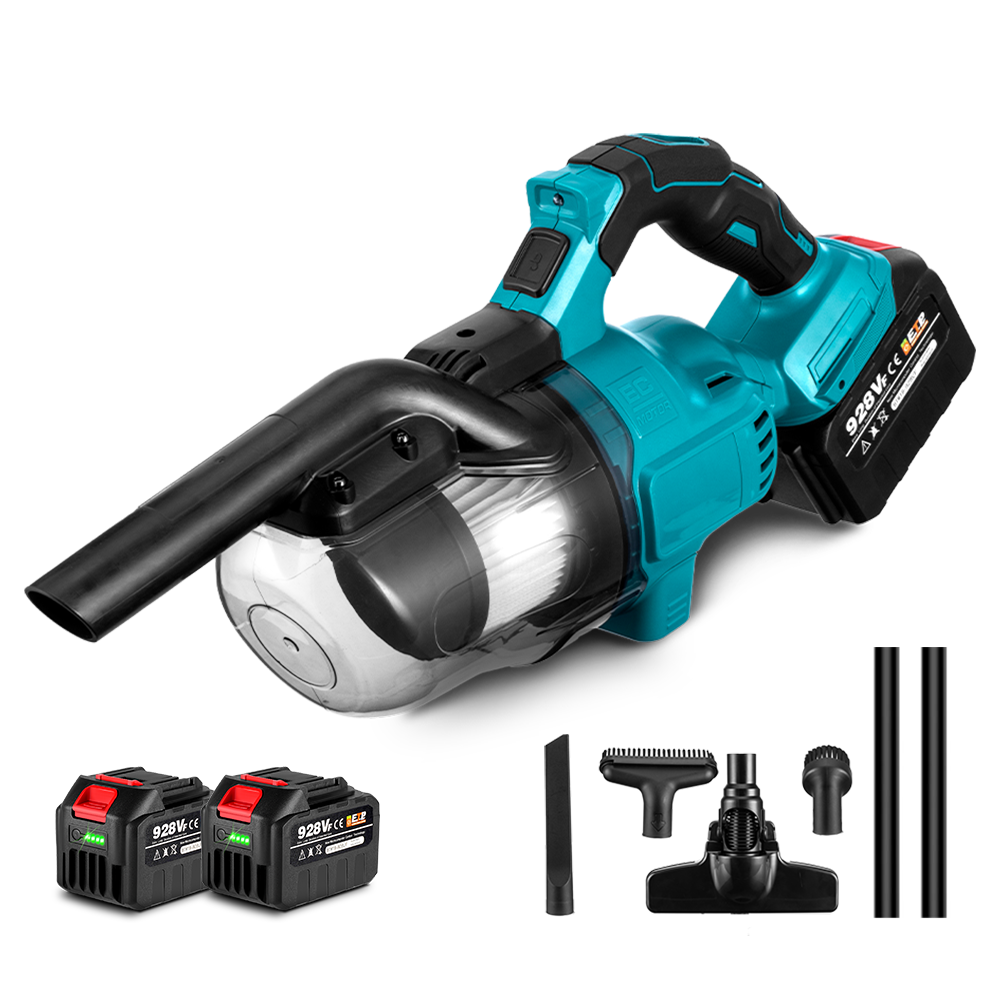
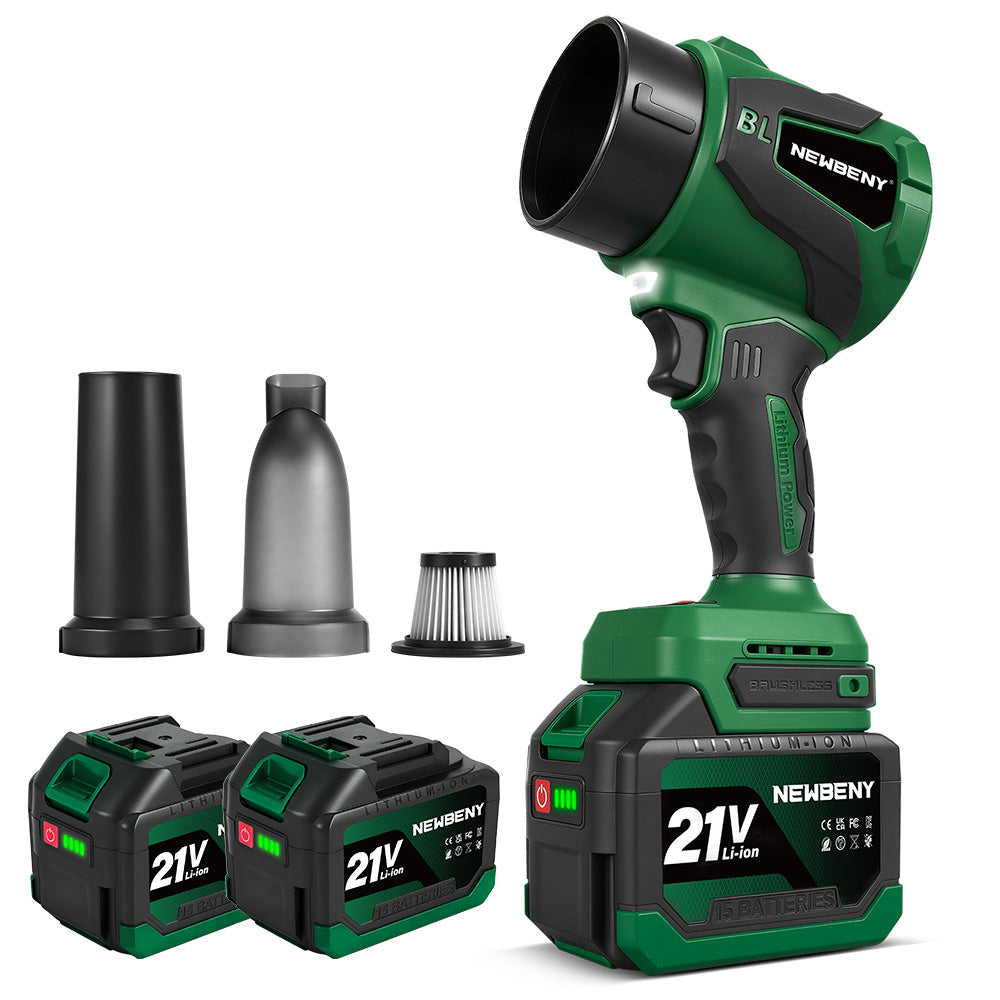
Foam filters handle pure liquid pickup. Pleated filters handle dry dust. Mixed conditions like damp sawdust require either a dual-rated filter or stopping to swap filters mid-job. The Newbeny Cordless Wet & Dry Vacuum Cleaner uses a dual-filtration system that handles mixed debris without filter changes.
Hoses
Low-quality corrugated hoses tend to bend and crack within a few months of use. Quality hoses use spiral wire reinforcement wrapped in thick plastic. While they may cost three times more, they can last up to ten times longer than low-quality hoses.
Attachments
Squeegee attachments extract liquid from hard floors. Brush heads clean upholstery. Crevice tools reach corners. Extension wands provide additional reach, eliminating the need for ladders. Basic kits include 3 to 5 attachments. Professional kits can include 15 to 20 specialized tools.
3. Advantages of Using a Wet Dry Vacuum Cleaner
Wet dry vacuums excel when matched to appropriate tasks. Mismatched applications create frustration.
Versatility in Handling Multiple Types of Messes
Liquid Spills
A wet dry vacuum extracts 4 to 6 gallons per minute from hard floors. Mopping handles approximately 1 gallon per minute while spreading contaminated water across the floor.
Fine Dust
Drywall dust and concrete powder clog standard vacuum bags within minutes. A wet dry vacuum's pleated cartridge filter with 50 to 100 square feet of surface area handles these materials for hours before requiring cleaning.
Heavy Debris
Wood scraps, metal shavings, and gravel damage regular vacuum impellers. Wet dry vacuums route debris directly into the tank, protecting motor components from impact damage.
Mixed Conditions
Wet sawdust or muddy water requires equipment that handles both moisture and particles simultaneously. Many standard vacuums are not designed to operate effectively when encountering moisture.
Home Emergency Cleanup
Flooded basements, broken water heaters, and washing machine overflows require immediate water removal. A 12-gallon wet dry vacuum extracts 50 to 70 gallons per hour, preventing water damage to flooring and walls.
Workshop Applications
Woodworking generates massive amounts of sawdust. A 12-gallon vacuum handles 15 to 20 minutes of continuous sawdust collection before requiring emptying. Table saw dust collection systems connect directly to wet dry vacuum hoses.
Construction Sites
Drywall installation produces fine dust that penetrates standard vacuum seals. Concrete cutting generates abrasive particles that can damage the motors of regular vacuums. Wet dry vacuums face these harsh conditions.
Automotive Detailing
Car interiors often have dirt, water, food debris, and various liquids. Wet dry vacuums handle all these materials without equipment changes.
Commercial Facilities
Industrial kitchens, warehouses, and maintenance shops generate diverse debris types. A single wet dry vacuum replaces multiple specialized cleaning tools.
Enhanced Efficiency Over Traditional Vacuum Cleaners
Without a wet-dry vacuum, managing diverse messes typically requires four different tools. A standard vacuum for dust, a mop for wet floors, towels for spills, and a carpet extractor for serious cleanup. A wet dry vacuum replaces three items and eliminates storage space.
Filter changes between wet and dry applications take 2 to 3 minutes for experienced users or 10 minutes for beginners. Despite this transition time, the single-machine approach saves money and space.
4. Types of Wet Dry Vacuum Cleaners
Four main categories serve different applications.
Portable Handheld Wet Dry Vacuums
Handheld vacuums use 1.25 to 1.5-inch hoses and have tanks ranging from 2 to 4 gallons. They run on 12-volt car batteries or 18-volt tool batteries with 3 to 4 HP suction. Weight ranges from 5 to 8 pounds when empty. These excel at car interiors and small spills but lack capacity for serious cleanup.
Canister Wet Dry Vacuums
Canister models use 1.75 to 2-inch hoses and 6 to 12-gallon tanks on 120-volt household power. Motors range from 5 to 6.5 HP. These handle most home maintenance tasks.
Upright or Shop Vac-Style Wet Dry Vacuums
Shop vac designs use 2 to 2.5-inch hoses and 12 to 20-gallon tanks for residential models, up to 55 gallons for commercial versions. Motors range from 6.5 to 12 HP for heavy-duty workshop and construction applications.
Corded vs. Cordless Wet Dry Vacuum
Corded vacuum cleaner deliver consistent power until you unplug them. Cord length limits the working radius to 20 to 30 feet from outlets. Cordless vacuum cleaner use lithium batteries, providing 15 to 40 minutes of runtime depending on suction settings and debris type. The Newbeny Cordless Wet & Dry Vacuum Cleaner provides portable operation without cord limitations.
5. What to Look For When Buying a Wet Dry Vacuum Cleaner
Five specifications help determine whether a wet-dry vacuum meets your needs.
Tank Capacity and Size Considerations
Match tank size to your typical jobs. Occasional small spills need 4 to 6 gallons. Regular workshop use requires 10 to 12 gallons. Flood cleanup or heavy construction demands 16 to 20 gallons. Larger tanks reduce dumping frequency but increase weight and storage requirements.
Suction Power and Motor Wattage
Home use requires 5 to 6.5 HP. Light commercial work needs 6.5 to 9 HP. Heavy industrial applications demand 9 to 12 HP. Higher power moves debris faster and handles longer hose runs.
Filter Types and Maintenance Requirements
Foam filters are designed for wet applications and can be washed clean with water. Pleated filters capture fine dust and require replacement after 50 hours. HEPA filters control allergens but cost three times more. Dual-rated filters can manage mixed debris without the need for swapping, but may reduce airflow by 10 to 15%.
Attachments and Accessories for Added Functionality
Essential attachments include a crevice tool, brush head, and squeegee. Extension wands, dusting brushes, and wet floor tools contribute to versatility. Specialized attachments like drywall dust collectors cost extra.
Durability and Build Quality
Molded plastic tanks cost less and resist rust. Stainless steel tanks face impacts and last longer. Sealed bearings help prevent dust from infiltrating the motor. Heavy-duty power cords are designed to resist kinking.
Noise Level and User Comfort
Wet dry vacuums generate 75 to 85 decibels during operation. Quieter models use sound-dampening materials and improved motor mounts. Prolonged use above 85 decibels requires hearing protection.
Price Ranges and Warranty Options
Entry-level models cost $50 to $100 and suit occasional light use. Mid-range units cost $150 to $300 and handle regular home maintenance. Professional models cost $400 to $800 and face daily commercial use. Warranties range from 1 year on budget models to 5 years on professional units.
6. How to Use a Wet Dry Vacuum Cleaner Properly
Correct setup and technique prevent damage and maximize performance.
Preparing the Wet Dry Vacuum Cleaner for Wet and Dry Cleaning
Install foam filters before wet applications. Install pleated filters before dry applications. Verify the tank seal is clean and intact. Check hose connections and inspect the power cord for damage.
Techniques for Vacuuming Wet Spills Safely
Move the vacuum head slowly across wet surfaces at approximately 1 foot per second. Overlap each pass by 50% for complete extraction. Listen for motor pitch changes indicating a full tank. Empty when suction decreases.
Effective Vacuuming of Dry Debris
Use brush attachments for carpets. Use hard floor tools for tile and concrete. Adjust to low suction for lightweight materials, high suction for heavy debris. Move in straight lines with 30% overlap.
Emptying and Cleaning the Vacuum After Use
Empty the tank immediately after use. Wet debris left overnight creates odors within 24 to 48 hours. Rinse the tank after wet applications. Dry completely before storage. Inspect filters after each use for visible dirt.
7. Common Problems and Troubleshooting Tips for Using a Wet Dry Vacuum Cleaner
Four issues account for 90% of wet dry vacuum problems.
Loss of Suction Power in Wet and Dry Modes
Clogged Filter
Filters account for 60% of suction loss cases. Remove the filter and inspect for debris accumulation. Shake out loose material. Rinse washable filters thoroughly. Allow filters to dry completely before reinstalling.
Hose Blockage
Hose blockages cause 20% of suction problems. Detach the hose and inspect for obstructions. Common blockages include wood chips, plastic bags, and wet newspaper clumps. Use a straightened wire coat hanger to dislodge stuck debris.
Air Leak in Tank Seal
Gasket damage or debris on the tank rim prevents proper sealing. Inspect the gasket for cracks or deformation. Clean the tank rim where the gasket seats. Replace damaged gaskets immediately.
Full Tank
Operating with a full tank reduces suction dramatically and risks overflow. Empty the tank when suction begins decreasing, even if it appears partially full.
Filter Clogging and How to Prevent It
Fine Dust Clogging
Drywall dust, concrete powder, and sawdust clog filters faster than other debris by accumulating in filter media and restricting airflow. Prevention requires using pleated filters with maximum surface area and cleaning filters after every use involving fine dust, rather than waiting for suction loss.
Wet Debris Clogging
Moisture causes dry debris trapped in filters to form a sealed layer blocking airflow. Prevention requires switching to foam filters before vacuuming any wet material and never mixing wet and dry applications without changing filters.
Oil-Based Material Clogging
Motor oil, cooking oil, and petroleum products coat filter media and become permanent blockages. Prevention requires avoiding vacuuming oil spills or using dedicated filters for oil cleanup that can be disposed of rather than cleaned.
Oversized Debris Clogging
Large particles like wood chips or gravel can puncture filter material or lodge in filter pleats. Prevention requires pre-screening debris or using coarse pre-filters that capture large particles before they reach the main filters.
Managing Odors and Mold Growth from Moisture
Immediate Tank Dumping
Empty the tank immediately after wet use. Bacterial growth begins within 6 to 8 hours and creates odors.
Tank Rinsing
Rinse with clean water after every wet application. For stubborn odors, use 1 cup of vinegar per gallon of water.
Complete Drying
Dry the tank completely by propping it upside down or leaving the lid off. Moisture grows mold within 24 to 48 hours.
Proper Air Circulation
Store with the lid off or slightly ajar to prevent moisture accumulation inside the machine.
Electrical Safety When Using Wet Dry Vacuums
Wet dry vacuums handle liquids safely, but user errors create hazards. Four safety measures prevent electrical accidents.
Avoid Live Electrical Outlets
Never vacuum near powered electrical outlets while cleaning water. A single splash can create a shock hazard.
Turn Off Power at the Breaker
Switch off power at the breaker before vacuuming flood water in areas containing wall outlets or electrical equipment.
Keep Power Cord Dry
Maintain a dry power cord at all times. Water running down the cord creates a direct electrical path to internal components.
Inspect Cord Before Use
Check the power cord before every use for cracked insulation or exposed wires. Replace damaged cords immediately to avoid serious hazards.
8. Conclusion
A wet dry vacuum handles wet and dry debris adequately, but doesn't match specialized equipment performance. For most applications, this versatility is sufficient. It eliminates the need for multiple tools, whether cleaning for water spills or collecting dirt.
A wet dry vacuum is not a carpet cleaner. It extracts water from spills but cannot wash or deep clean carpet fibers. It collects debris effectively but lacks the filtration quality of premium household vacuums. It handles work that destroys other vacuums, which makes it valuable for specific applications.
9. FAQs
Can wet dry vacuum cleaners handle oil spills?
Small oil puddles can be vacuumed if you flush the system with soap and water immediately. Without cleaning, oil coats the hose and creates permanent odors. For large oil spills, use absorbent materials like cat litter. Never vacuum gasoline or paint thinners, as vapors can ignite.
Are wet dry vacuums safe to use on electrical outlets?
Never vacuum water near electrical outlets. When cleaning flooded areas near outlets, turn off the power at the breaker first. One splash can cause serious injury.
How often should I replace the filters?
Foam filters wash clean and last 2 years. Pleated filters require replacement after 50 hours. HEPA filters need replacement every 6 months or when suction decreases. Inspect the filter immediately if the vacuum loses suction or makes unusual noises.
Can I use a wet dry vacuum to clean my car interior?
Car interior cleaning is ideal for wet dry vacuums. The crevice tool reaches gaps between seats. Brush attachments clean floor mats. Corded models provide more suction than cordless units.
Do wet dry vacuums require special maintenance compared to regular vacuums?
Wet dry vacuums require more maintenance. Empty the tank after every wet use. Leaving water in the tank grows mold. Rinse and dry the tank after each wet application.
How to use a wet and dry vacuum cleaner for a sofa?
Install the foam filter first. Use an upholstery brush at medium suction. Apply cleaning solution sparingly, then vacuum immediately. Excessive moisture saturates cushion foam and creates odors. Allow 6 hours drying time.
Does a wet dry vacuum cleaner clean carpets?
Wet dry vacuums extract water but do not scrub carpet fibers. They handle spilled liquids effectively but cannot remove deep stains. For thorough carpet cleaning, rent a carpet extractor.