When you start looking at battery-powered tools, two options always come up: the cordless impact wrench and the cordless ratchet. At first glance, they seem to do the same thing. They both turn bolts and nuts using battery power. However, they are built completely differently on the inside. They are made for entirely different types of jobs.
This guide will explain exactly how these tools work in simple terms. We will look at what happens inside the metal casing, why one hits hard while the other turns smoothly, and how to decide which one belongs in your toolbox.
1. How Do These Two Tools Work?
To understand which tool you need, you first have to understand what is happening inside the tool when you pull the trigger. They do not use battery power in the same way.
Why the Impact Wrench Hits So Hard
A cordless impact wrench does not just spin a bolt in a smooth circle. Inside the thick nose of the tool, there is a small, heavy metal hammer and a part called an anvil. When a bolt is loose, the motor spins the hammer and the anvil together, turning the bolt quickly.
But when a bolt gets tight—or if it is stuck with rust—the motor senses the resistance. The anvil stops moving. The motor keeps spinning the heavy hammer. The hammer catches a special groove and slams into the anvil with incredible force. This happens very fast, often thousands of times every minute.
Think about trying to loosen a tight bolt by hitting the wrench handle with a hammer. That sudden shock breaks the rust and forces the thread to turn. The impact wrench does this automatically. Because the tool is hitting the metal anvil inside, that twisting force (torque) goes directly into the bolt. It does not twist your wrist backward. This hammering action is why the tool makes a loud "clack-clack-clack" noise.
Why the Ratchet Turns Smoothly
A cordless ratchet works differently. It does not have a heavy hammer inside. Instead, it has a small electric motor connected to a set of gears. These gears are connected to the square drive at the top of the tool (the part where you attach your socket).
When you pull the trigger on a cordless ratchet, the motor spins the gears smoothly and continuously. It acts exactly like a standard drill, but the power is sent at a 90-degree angle. There is no hitting, no hammering, and no sudden shock.
Because it does not hammer, a cordless ratchet cannot create massive amounts of force. If a bolt is stuck tight, the small electric motor will simply stop turning. When this happens, you use the cordless ratchet exactly like a normal hand tool. You pull on the handle yourself to manually break the bolt loose. Once the bolt moves a little bit, you press the trigger, and the motor quickly spins the long bolt the rest of the way out.
Why This Difference Changes Everything About Which Tool to Choose
The difference between hammering and smooth spinning changes how you use these tools in the real world.
The impact wrench is a tool of brute force. It is made to break things loose that do not want to move. It is big, heavy, and aggressive.
The cordless ratchet is a tool of speed and access. It is made to save you from turning a regular hand wrench 50 times in a tight space. It is slim, quiet, and precise. If you try to use an impact wrench on a tiny, delicate bolt, you will break the bolt. If you try to use a cordless ratchet on a massive, rusted truck bolt, you will break the tool.
Cordless Impact Wrench & Ratchet Work Quick Comparison
Here is a simple look at how these tools compare in everyday garage situations.
|
Tool Feature |
Cordless Impact Wrench |
Cordless Ratchet Wrench |
|
How It Turns Fasteners |
Heavy, rapid internal hammering (hitting) |
Smooth, continuous motor spinning |
|
Physical Size and Shape |
Thick, bulky pistol shape |
Long, thin, and flat at the top |
|
Noise Level in the Garage |
Very loud (requires ear protection) |
Quiet (sounds like a small drill) |
|
Force on the User's Wrist |
Very low (the tool absorbs the twisting) |
High when manual breaking is needed |
|
Best Used On |
Rusted metal, suspension, heavy machinery |
Engine parts, interior dashboard, plastics |
|
Worst Used On |
Tiny aluminum bolts, fragile plastic covers |
Rusted wheel nuts, heavy structural bolts |
2. When to Pick the Impact Wrench And Why
An impact wrench is a heavy-duty tool. You pick this tool when you know human strength is not going to be enough.
Dealing with Stuck or Rusted Bolts
Water and winter road salt cause metal bolts to corrode and rust, leading them to seize and fuse together. This is very common on the exhaust pipes under a car or the suspension parts near the wheels. When metal fuses like this, turning it slowly with a long-handled wrench will often twist the bolt until the metal snaps in half.
The impact wrench is the perfect tool here. The rapid, sharp hits send shockwaves through the rust. This vibration shatters the rust bond without twisting the metal shaft of the bolt too much. The repeated hammering breaks the rust bond so the bolt can then be turned out. If you live in an area with a lot of snow or work on old machines, a cordless impact wrench vs. a ratchet wrench is not even a debate. The impact wrench is mandatory for rust.
Changing Tires on Trucks and Bigger Vehicles
Wheel lug nuts hold the entire weight of a car. They are tightened down with a lot of force, usually around 100 to 140 foot-pounds. A hand tool can remove them, but it takes a lot of heavy pushing and pulling.
A 1/2-inch cordless impact wrench can remove a tight truck lug nut in about two seconds. You just slide the socket over the nut, pull the trigger, hear three or four loud clacks, and the nut spins off freely. If you need to change tires in your driveway, swap winter tires for summer tires, or fix a flat tire on the side of the road quickly, this tool saves a massive amount of physical effort.
If You Use This Tool Often Or Professionally
If you take machines apart every single day, time is your most important resource. Taking apart a heavy suspension system by hand might take three hours. Using a heavy-duty impact wrench can reduce that time to 45 minutes.
Professionals choose this tool because it stops their bodies from getting tired. Pushing and pulling heavy wrenches all day will damage shoulders and elbows. Because the impact wrench uses a hammering mechanism, the tool fights the tight bolt, not your arms. You simply hold the handle steady, and the tool does the major work.
3. When to Pick the Cordless Ratchet Wrench And Why
The cordless ratchet is the tool you use when the impact wrench is too big or too dangerous for the parts you are touching.
Getting the Tightening Just Right
When you are putting an engine back together, many bolts go into soft metal, like aluminum. Parts like water pumps, oil pans, and engine valve covers use small bolts. If you tighten these too much, the soft aluminum threads will strip out, leaving the bolt spinning freely in a smooth, bare hole.
A cordless ratchet is much safer here. Because it does not hit with massive force, it will just stop turning when the bolt gets snug. Once the motor stops, you can use your own hand to give it a mere pull. This allows you to "feel" how tight the bolt is getting. You have total control over the pressure.
Working in Tight Spaces Where the Impact Wrench Won't Fit
Modern cars have very small engine bays. There are wires, hoses, belts, and plastic pipes packed tightly together. Often, you can barely fit your own hand down between the engine and the radiator.
An impact wrench is shaped like a large pistol. It usually needs about 6 to 8 inches of empty space straight out from the bolt just to fit the tool and the socket. In a tight engine bay, you almost never have that much space.
A cordless ratchet is shaped like a long stick with a flat head. The battery sits at the bottom, near your hand, and the tool reaches deep into dark, narrow spaces. You can slide it behind a belt or under a dashboard where no other power tool could ever fit. This is the main reason mechanics love them. They reach the hidden spots.
Working on Fragile or Delicate Parts
Cars and machines use a lot of plastic today. Intake manifolds, sensor covers, and interior trim pieces are easily broken. The aggressive hammering shock of an impact wrench will instantly crack plastic parts or shatter small metal clips.
The cordless ratchet spins smoothly. You can feather the trigger to spin the bolt very slowly, watching carefully to make sure the plastic part is not bending or cracking as the bolt tightens down.
When You Want Something Quieter and Lighter
Heavy impact wrenches can weigh up to 6 or 7 pounds, especially with a large battery attached. Holding that weight above your head while working under a car gets tiring very quickly. They are also incredibly loud; using them in a small, closed garage can hurt your ears.
Cordless ratchets are very light. Most weigh around 2 or 3 pounds. You can easily hold it with one hand while reaching up. They are also quiet enough that you can listen to a radio or talk to a friend while you are using it.
4. Can a Ratchet Wrench Do What an Impact Wrench Does?
No, a ratchet wrench cannot do what an impact wrench does. Because it only spins and does not have an internal hammer, a ratchet simply does not have the power to break loose heavily rusted bolts or large wheel lug nuts. If you try to force a ratchet wrench to do the job of a heavy impact tool, the small electric motor will stall, and pulling too hard manually can break the small gears inside the tool head.
However, for everything else, a high-quality ratchet is exactly what you need. Newbeny’s ratchet wrench is designed specifically to make everyday mechanical tasks faster and less painful. Built with a slim, ergonomic handle that fits perfectly in your grip, the Newbeny cordless ratchet wrench slides easily into cramped engine bays and tight corners where bulky tools fail. It features a highly durable, reinforced gear system that allows you to safely break stubborn bolts loose by hand before letting the smooth, consistent electric motor rapidly spin out the long threads. With a lightweight body that prevents arm fatigue during long projects, Newbeny’s design offers the perfect balance of manual control and battery-powered speed for working on delicate engine parts or interior automotive panels.
5. Can an Impact Wrench Do What a Ratchet Wrench Does?
No, an impact wrench cannot do what a ratchet wrench does safely. An impact wrench is far too powerful and physically too bulky to replace a small ratchet. If you try to use an impact wrench on small 10mm bolts attached to a plastic engine cover, the tool will hit too hard and snap the bolt head completely off before you can even release the trigger. Also, the thick, pistol-like shape of an impact wrench means you physically cannot fit it into the narrow, tight spaces where a ratchet wrench is meant to go.
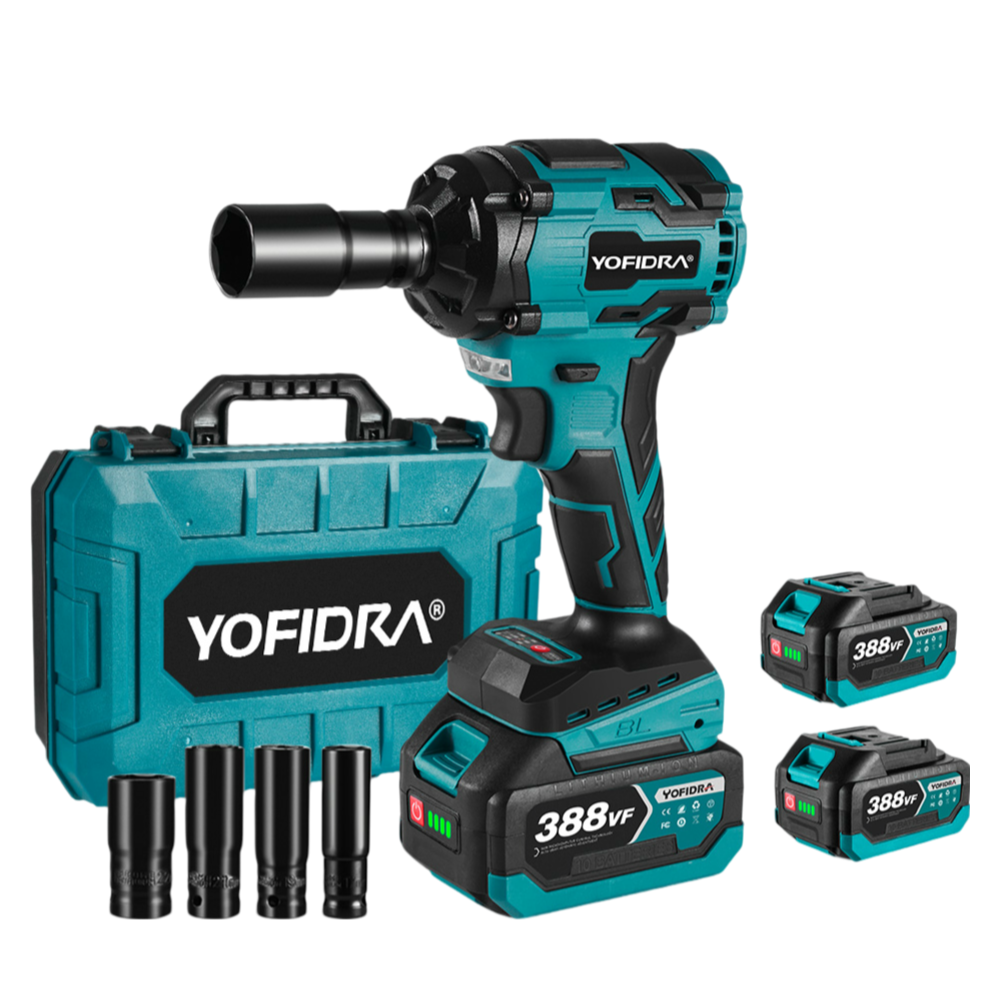
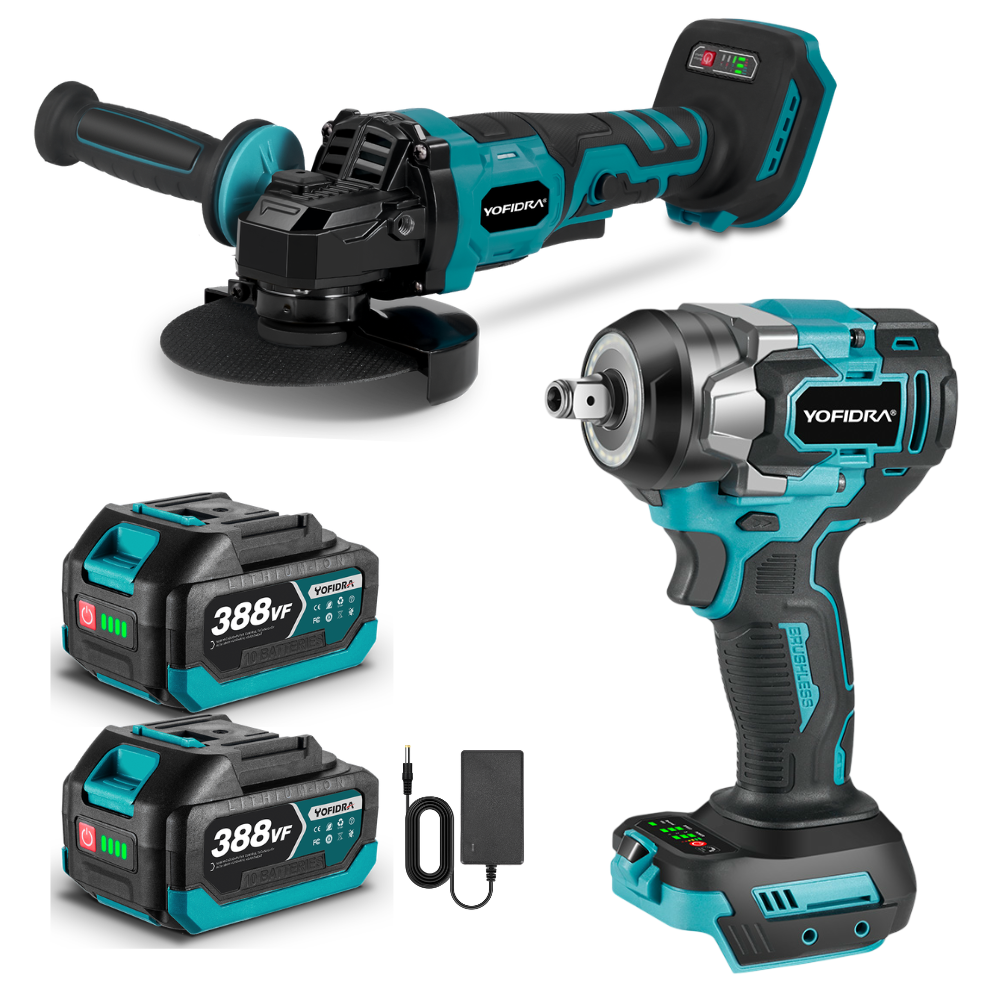
When you do have the open space, and you need serious, heavy-duty power, you need a tool built for high performance. Newbeny’s impact wrench is engineered to handle the toughest, most rusted fasteners you can find in the garage or on the job site. Designed around a highly efficient brushless motor, this impact wrench delivers massive breakaway torque with less heat buildup, ensuring the tool lasts longer under heavy professional use.
The Newbeny impact wrench gives you precision control through multiple speed settings, allowing you to precisely control your working speed so you can safely remove giant truck lug nuts without over-spinning or heavy suspension bolts without the risk of over-spinning and damaging the surrounding metal.
6. Should You Buy Both Tools, or Just One?
When people first look at a cordless impact wrench vs. cordless ratchet wrench, they usually try to decide which one is the "better" tool. But as you can see, they do not compete with each other. They are completely different tools that solve completely different problems.
Why Most People Who Use These Tools Regularly End Up Owning Both
If you spend a lot of weekends working on cars, building wooden decks, or fixing farm equipment, you will eventually face both types of problems. You will have big, rusted bolts on the outside where you need the impact wrench. You will also have long bolts hidden deep inside tight engine bays where you need the ratchet.
Most experienced mechanics keep both tools on their workbench. They use the impact wrench to take the heavy wheels and suspension parts off to get access to the engine. Then, they put the heavy impact away and grab the slim cordless ratchet to do the delicate, tight work inside the engine.
If You Can Only Start With One Tool
Tool sets and batteries can be expensive. If you only have the budget to buy one tool right now, ask yourself what kind of work you do the most.
If you mostly want to change your own tires, work on heavy truck suspensions, or build things with large heavy wood screws, you must start with the impact wrench. A ratchet simply cannot do those jobs.
If you mostly want to do regular car maintenance like changing spark plugs, replacing a car battery, removing plastic body panels, or taking apart small engines like lawnmowers, start with the cordless ratchet. It will save you hours of twisting hand tools in tiny, frustrating spaces.
7. Things to Think About Before You Buy Either Tool
Before you spend your money, there are three practical things you need to look at. Buying the wrong tool size or the wrong battery system can make your new tool useless.
Your Existing Battery System
Battery-powered tools are a system. The batteries are often the most expensive part of the purchase. If you already own a drill from a specific brand that uses 18-volt or 20-volt lithium batteries, it is usually a smart idea to buy an impact wrench or ratchet from that exact same brand. This way, you do not have to buy new chargers and new batteries.
However, keep in mind that ratchets often use smaller 12-volt batteries so the handle can stay thin and light. Impact wrenches usually need bigger 18-volt or 20-volt batteries to give the motor enough power to hit hard. Always check which battery the bare tool requires.
How Much Space You Have to Work
Always look at your own vehicle or the machine you plan to fix. Modern front-wheel-drive cars have engines mounted sideways. There is almost zero room between the engine belts and the frame of the car. If you buy a massive, heavy-duty impact wrench, you might find that you can only use it on the wheels because it will not fit anywhere else under the hood.
If you do buy an impact wrench for car repair, consider a "mid-torque" or "compact" impact wrench. They are a little smaller and fit into more spaces than the giant heavy-duty versions.
What You're Actually Going to Spend
Prices change depending on how much power the tool has. Cordless ratchets are generally cheaper to buy because their internal motors and gears are smaller.
High-power impact wrenches cost more money because the internal metal anvil, the heavy hammer, and the large magnets in the motor are expensive to build. You also have to think about the sockets. You cannot use normal shiny chrome hand sockets on an impact wrench. The violent hitting will crack chrome sockets. You must buy special, thick black metal "impact sockets" to use an impact wrench safely. This adds to your starting cost.
8. The Quick Decision Guide: Which Tool Fits Your Situation?
If you are still asking "which do I need," look at this simple guide based on real garage jobs. Find the repair job you need to do, and see which tool is the winner.
|
The Repair Job You Are Doing |
The Winning Tool |
The Reason Why It Wins |
|
Removing old, rusted exhaust pipes |
Impact Wrench |
The hitting force shatters rust without twisting your arm. |
|
Replacing an engine water pump |
Cordless Ratchet |
Fits behind the radiator; won't snap the soft aluminum bolts. |
|
Taking off car or truck wheels |
Impact Wrench |
Has the massive power needed to safely loosen heavy lug nuts instantly. |
|
Taking out car seats and carpet |
Cordless Ratchet |
Spins long floor bolts out fast; fits easily next to the soft car seats. |
|
Fixing a tractor or farm machine |
Impact Wrench |
Farm dirt and thick metal require extreme hitting force to break free. |
|
Removing a plastic car bumper |
Cordless Ratchet |
Gentle enough not to crack the thin plastic tabs and covers. |
9. Conclusions
Deciding between a cordless impact wrench vs. a ratchet does not have to be confusing once you look inside the tools. Remember the simple rule: one tool hits, and the other tool spins.
If you are working against rust, heavy metal, and tightly fastened wheels, you need the aggressive hitting power of the impact wrench. But if you are tired and want to take apart engines or interiors quickly and safely, the cordless ratchet is exactly what you need. Look at the projects sitting in your garage right now, pick the tool that matches the problem, and enjoy how much easier the work becomes.
10. FAQs
Can a Cordless Ratchet Remove Lug Nuts?
No, a cordless ratchet cannot safely remove lug nuts. Car lug nuts are tightened to high torque levels (usually over 100 foot-pounds). A cordless ratchet does not have enough motor strength to turn them. If you try to pull the ratchet by hand to break the lug nut loose, you risk breaking the small gears inside the ratchet head.
Are Cordless Ratchets Any Good for Car Work?
Yes, they are actually one of the most used tools by professional car mechanics. While they cannot do heavy tire or suspension work, they are perfect for the 80% of small bolts found around the dashboard, interior, light engine components, and brake slide pins. They save a huge amount of time and save mechanics from hand cramps.
Can a Smaller 3/8-Inch Impact Wrench Replace a Cordless Ratchet?
A compact 3/8-inch impact wrench is smaller and fits in more places, but it still cannot completely replace a ratchet. Even a small impact wrench uses a hammering action. That hitting action is still too violent for small plastic pieces and delicate engine threads. Also, the shape of the 3/8-inch impact is still thicker than the flat, thin head of a ratchet.
Is the Brushless Version Worth the Extra Money in Both Tools?
Yes, buying a brushless version is almost always worth the extra money. "Brushless" means the electric motor does not have physical carbon brushes rubbing inside it. Because there is no rubbing, the tool stays much cooler, the battery lasts much longer before needing a charge, and the tool itself is usually shorter and lighter. It is a better long-term investment.