People standing in the tool aisle or staring at a disorganized garage bench often ask: Are a socket wrench and a ratchet the same thing? However, a socket wrench and a ratchet wrench are not the same tools. A ratchet wrench is a specific drive tool featuring an internal mechanism that allows continuous turning without lifting off the fastener, whereas a socket wrench is the broader category term for any handle designed to turn interchangeable sockets. In this article, you will find a direct, concise comparison of both tools.
1. Socket Wrench vs Ratchet Wrench: Are They the Same?
The short answer is no, they are not exactly the same thing, though the terms are frequently swapped. A socket wrench is a broad category of hand tools designed to turn a fastener by accepting a cylindrical socket. A ratchet wrench is one specific tool within that category—one featuring a geared mechanism that lets you tighten or loosen a bolt continuously without lifting the tool off the fastener.
In short: every ratchet is a socket wrench, but not every socket wrench is a ratchet.
Why People Mix Socket Wrench and Ratchet Wrench Up
Walk into any automotive shop or home garage, and you will hear these terms used interchangeably. The confusion between socket wrenches and ratchet wrenches stems from several overlapping factors:
- The Default Tool: When most people buy a socket wrench set, the primary drive tool included in the plastic molded case is a ratchet. It becomes the de facto representative of the entire category.
- Retail Marketing Simplification: Big box hardware stores often label packaging as Socket Wrenches to appeal to weekend DIYers who do not know the granular terminology of hand tools.
- Visual Similarity: To an untrained eye, a breaker bar, a torque wrench, and a ratchet all share the same square drive anvil (usually 1/4", 3/8", or 1/2") and accept the exact same chrome cylinders.
- Interchangeable Shop Slang: Mechanics work fast. Saying grab the 3/8ths socket wrench often just means grab the ratchet, because the context of the job makes the specific mechanism obvious.
- Historical Tool Evolution: Early socket tools were solid metal L-bars or T-handles. When ratcheting mechanisms became mass-market standards in the 20th century, the old category name stuck to the new, highly popular tool.
- Regional Vocabulary Differences: Depending on whether you learned to wrench in the American Midwest, the UK, or an industrial heavy equipment yard, the colloquial shorthand changes. Some regions strictly say ratchet, while others default to socket wrench.
2. What a Socket Wrench Actually Is
What is a Socket Wrench
A socket wrench is the overarching family name for any tool handle designed specifically to snap into a socket to turn a nut or bolt. The defining characteristic is the square drive anvil at the head of the tool. It does not dictate how the tool functions internally—it only dictates the connection method. If it holds a socket to apply torque, it falls under the socket wrench umbrella.
All the Tools That Count as Socket Wrenches
If you open a professional tool cart, the socket wrench drawer contains multiple specialized drivers.
- Ratchet wrench: The standard geared handle for fast, continuous turning in tight spaces.
- Breaker bar: A breaker bar is a solid, non-geared steel bar (often 18 to 24 inches long) equipped with a pivoting square drive head, designed to provide the leverage needed to break loose stubborn or rusted fasteners.
- Torque wrench: A precision calibration instrument used to apply a highly specific, measured amount of rotational force to a fastener (e.g., tightening cylinder head bolts to exact factory specs).
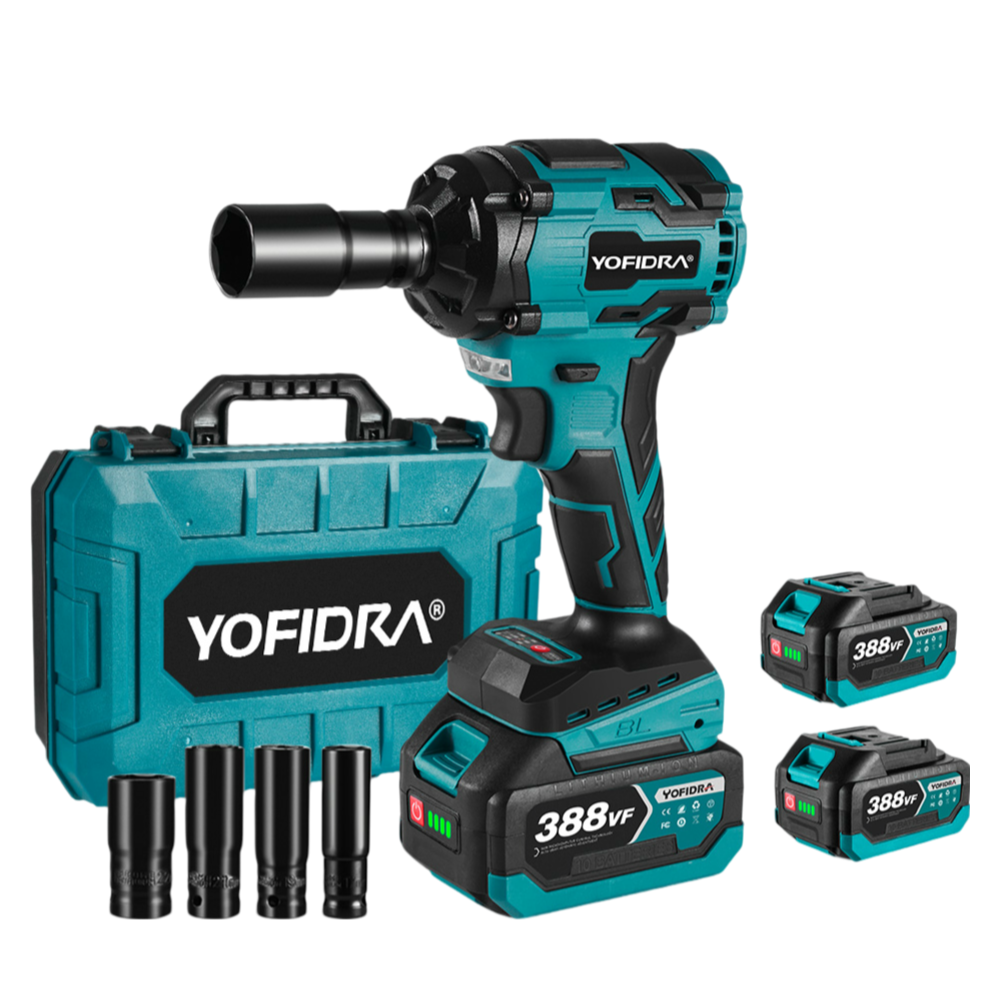
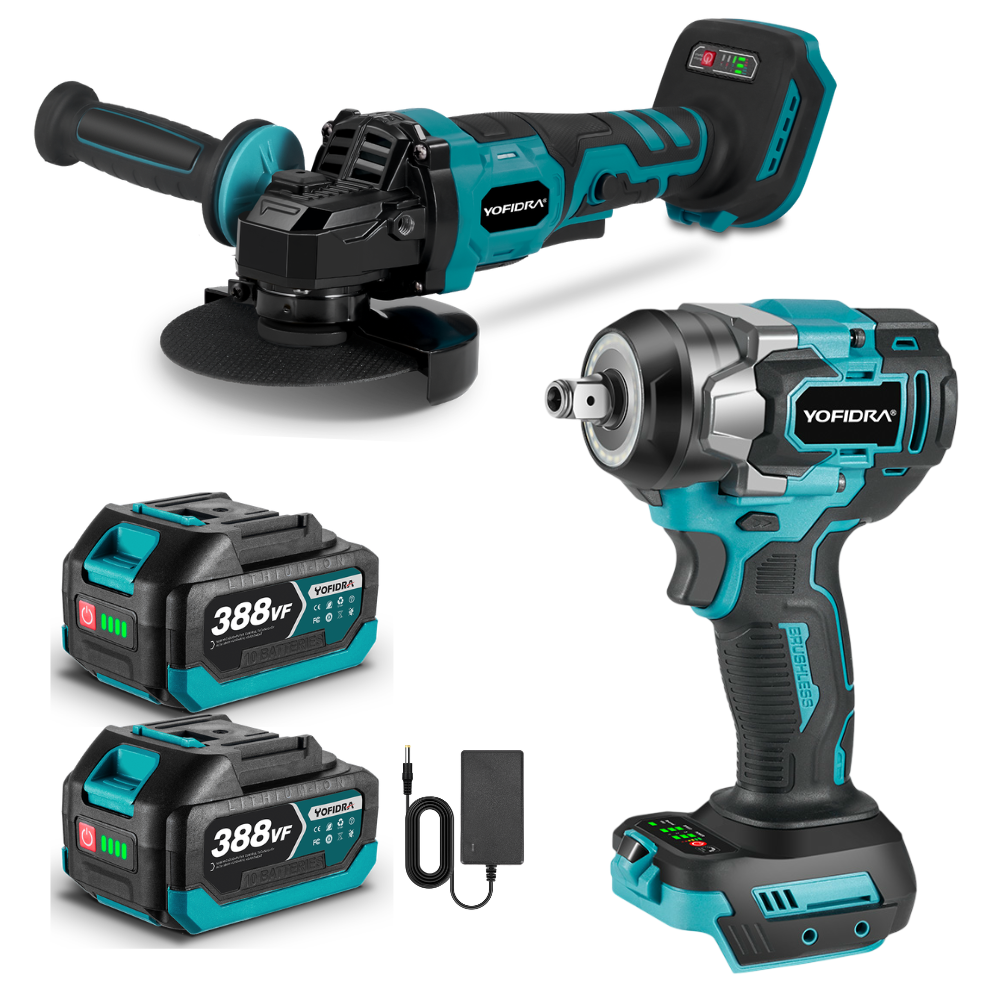
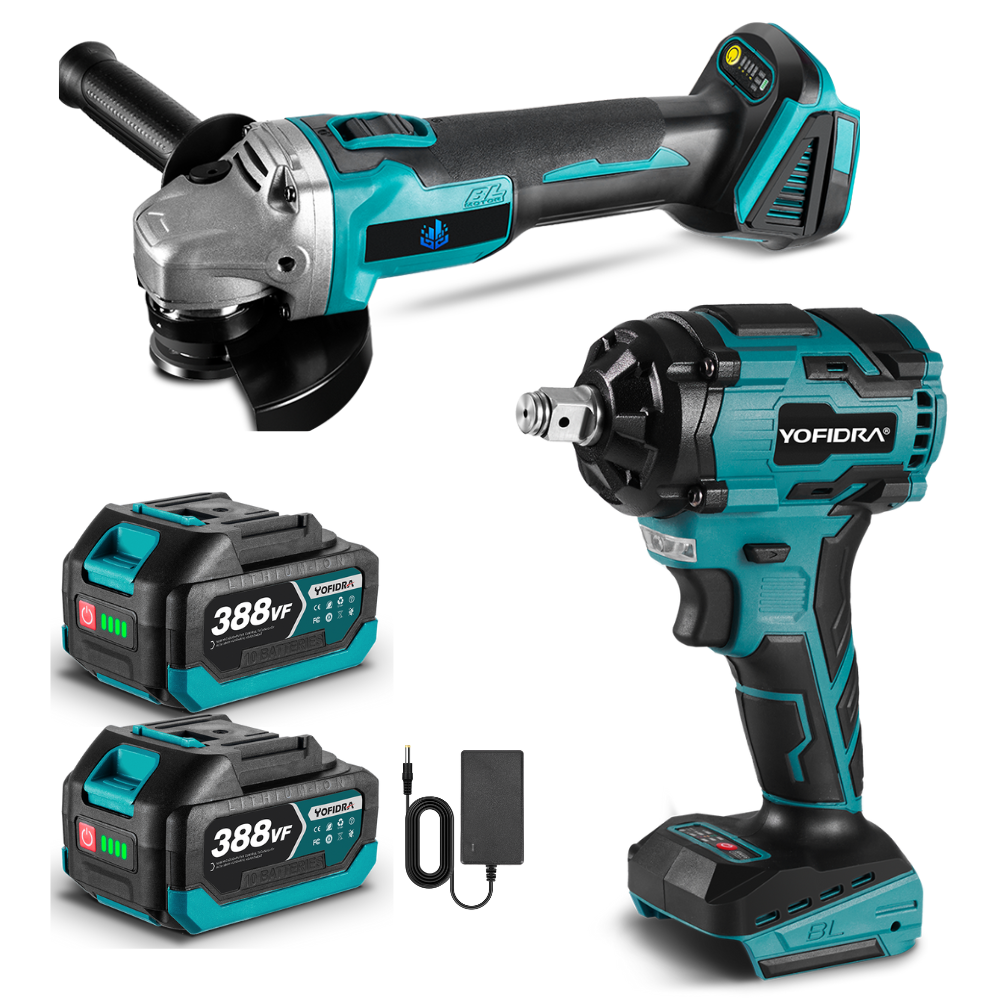
- Impact wrench: A pneumatic (air-powered) or battery-powered tool that delivers sudden, high-torque rotational strikes. Used for rapidly removing stubborn bolts like lug nuts.
3. What a Ratchet Wrench Actually Is
What is a Ratchet Wrench
A ratchet wrench is a highly specific mechanical tool built around a gear and a spring-loaded pawl. This internal assembly allows the handle to engage and turn the fastener in one direction, while slipping freely in the opposite direction.
You set the directional switch (usually a small lever or dial on the head) to tighten or loosen. When you pull the handle, the pawl locks into the gear teeth, applying torque. When you push the handle back, the pawl glides over the gear teeth with a distinct clicking sound. This means you can keep the socket seated on a hidden engine block bolt and turn it blindly in a confined space without ever resetting the tool.
Why Most People Just Say 'Ratchet'
Mechanics and tradespeople favor efficiency, both in their work and their speech. "Ratchet wrench" takes too long to say under the hood of a car. The word ratchet isolates the specific mechanical action that makes the tool valuable. When someone yells across the shop for a ratchet, there is usually no ambiguity about what they need: a directional hand tool designed for quick fastening.
4. What's the Real Difference Between Socket Wrench and Ratchet Wrench?
Quick Comparison: Socket Wrench vs Ratchet Wrench
|
Feature |
Socket Wrench |
Ratchet Wrench |
|
Classification |
Broad tool category / Umbrella term |
Specific tool within the category |
|
Mechanism |
Can be solid steel, geared, calibrated, or powered |
Strictly geared with a reversible pawl mechanism |
|
Primary Advantage |
Versatility (includes tools for leverage, precision, and speed) |
Speed and confined-space utility (no need to lift off the bolt) |
|
Torque Capacity |
Varies wildly (breaker bars handle massive torque) |
Limited by the internal gear teeth (vulnerable to shearing) |
|
Typical Use Case |
Any situation requiring a socket |
Fast removal/installation of standard fasteners |
Is a Ratchet a Socket Wrench?' - Yes, and Here's Why
If you are asking, is a ratchet a socket wrench? The answer is an absolute yes. A standard socket ratchet cannot function without attaching to a socket via its square drive anvil. Because its entire existence is dedicated to driving sockets, it correctly belongs in the socket wrench family. Think of it like automotive classifications: a Ford Mustang is definitely a car, but not all cars are Ford Mustangs.
Is a Socket Wrench a Ratchet?' - Not Always
This is where the distinction matters. If you ask, is a socket wrench a ratchet? The answer changes based on what you are holding. If you are holding a 24-inch solid steel breaker bar to remove a rusted axle nut, you are using a type of socket tool, but it is not a ratchet wrench.
It has no gears, no clicking mechanism, and no directional switch.
5. How to Pick the Right Socket Tool for the Job (What We Look For)
Start With the Job, Not the Tool
Walking into a job with just a ratchet is a fast way to destroy your tools or round off a bolt head. Tool selection starts by assessing the fastener. A mechanic looks at a bolt and immediately evaluates the rust level, the torque specs, the clearance space around the head, and the material of the surrounding components.
The 4 Questions That Decide It
To avoid stripping gears or snapping bolt heads, run through this mental checklist before grabbing a handle.
Is the bolt stuck or easy? (stuck -> breaker bar/impact)
If a suspension bolt has been baking in road salt for ten years, a standard ratchet gear will shatter under the force required to break it free. You need the solid, unyielding leverage of a breaker bar, or the violent rotational hammering of an impact wrench to shatter the rust bond.
Does it need an exact torque? (yes -> torque wrench)
Reassembling engine internals, aluminum oil pan drain plugs, or alloy wheel lug nuts requires precision. Guessing the tightness with a standard ratchet leads to warped rotors or stripped threaded holes in the engine block. A torque wrench clicks or beeps when the exact manufacturer specification is met.
Do you want speed or max leverage? (speed -> ratchet; leverage -> breaker bar)
If you are threading a long, clean bolt into a water pump, a ratchet allows you to spin it down rapidly in tight quarters. If you need to apply 150 foot-pounds of force, the length and solid head of a breaker bar provide the necessary mechanical advantage while minimizing the risk of damaging fasteners.
Powered or hand? (powered -> impact wrench)
For repetitive assembly line work or heavy equipment maintenance, powered tools can save time and physical energy, though manual tools still have their place in certain tasks requiring precision. Pneumatic or cordless electric impact wrenches handle the heavy lifting, provided the workspace allows for the bulky size of the power tool.
What You Get at Each Price Level of Socket Tool
|
Price Tier |
Build Material & Mechanism |
Ideal User & Use Case |
Expected Lifespan & Failure Point |
|
Budget (Under $25) |
Low-grade carbon steel, chunky 36-tooth gears, sloppy directional switches. |
Emergency trunk kits, assembling flat-pack furniture. |
Low. Pawls strip easily under moderate pressure; chrome plating flakes off. |
|
Mid-Tier ($30 - $80) |
Chrome vanadium steel, 72-to-90 tooth gears, sealed heads to keep out dirt. |
Serious DIYers, weekend mechanics, home garage maintenance. |
High for hand use. Usually fails only if abused (e.g., using a pipe over the handle for extra leverage). |
|
Professional ($100+) |
High-alloy steel, 100+ tooth counts, rebuildable low-profile heads. |
Full-time automotive technicians, heavy industrial maintenance. |
Lifetime. Bearings wear out eventually, but the internal gears can be quickly swapped with rebuild kits. |
6. When to Reach for Socket Wrench or Ratchet Wrench
The Fast Version for Different Jobs
|
The Job / Scenario |
The Right Tool to Use |
Why This Tool Works Best |
|
Rusted suspension bolts / Axle nuts |
Breaker Bar |
Pure mechanical leverage; no internal gears to shatter under massive strain. |
|
Tightening wheel lug nuts |
Torque Wrench |
Prevents over-tightening, which warps brake rotors or snaps wheel studs. |
|
Removing 15 oil pan bolts quickly |
Ratchet (or Cordless Electric Ratchet Wrench) |
Fast, continuous directional motion speeds up repetitive, low-torque removal. |
|
Working in a cramped engine bay firewall |
High-Tooth Count Ratchet Wrench |
Allows you to turn the fastener even if you only have 3 degrees of handle swing room. |
|
Removing rusted lug nuts on a roadside |
Impact Wrench |
Delivers high-torque concussive blows that break rust bonds instantly without relying on muscle. |
7. What Makes a Ratchet Worth Buying (and What to Avoid)
If you determine that a standard hand ratchet is necessary for your tasks, you may find yourself faced with numerous similar-looking chrome tools in a hardware store.
The difference between a tool that lasts decades and one that breaks on the first brake job comes down to internal engineering.
Tooth Count
The most critical specification on a ratchet box is the tooth count. This number refers to how many gear teeth are machined into the round drive gear inside the tool’s head.
A standard older ratchet or a cheap modern one usually features a 36-tooth gear. This means you have to swing the handle 10 degrees before the pawl clicks into the next gear tooth to catch and turn the bolt. In wide-open spaces, 10 degrees is fine. But if you are working behind an intake manifold with only an inch of clearance, a 36-tooth ratchet is useless; you will hit the firewall before the gear engages.
Professional tools feature 72, 90, or even 120-tooth mechanisms. A 120-tooth ratchet requires only a 3-degree arc swing to catch the next gear. This fine-tooth capability is the single biggest upgrade for anyone doing serious mechanical work in modern, cramped engine bays. However, higher tooth counts mean smaller, finer metal teeth. Cheaper manufacturers use soft metals for fine-tooth gears, resulting in immediate stripping. Quality brands often use hardened alloys for their ratchets, which, combined with careful design, help ensure that the smaller teeth can withstand significant torque without stripping.
Build Quality
Look past the shiny exterior. Budget tools use lower-grade carbon steel dipped in cheap chrome that flakes off and slices your fingers. Quality socket tools are forged from Chrome Vanadium (Cr-V) or Chrome Molybdenum (Cr-Mo) steel. Cr-Mo is favored for impact-rated tools because it absorbs concussive shock without shattering, while Cr-V provides the rigid strength needed for most hand tools.
Additionally, examine the head profile. A bulky, thick head restricts access to recessed bolts. Professional ratchets feature low-profile, teardrop-shaped heads with sealed plates that prevent dust, metal shavings, and heavy grease from entering and gumming up the gear mechanism.
What Actually Breaks (and How to Avoid It)
Ratchets are precise mechanical devices, not solid hammers. When they fail, it is almost always due to user error disguised as a tool limitation.
The most common failure is a stripped pawl or sheared gear teeth. This happens when a user encounters a seized bolt and slides a hollow steel pipe (a "cheater bar") over the ratchet handle to gain more leverage. The ratchet handle might survive, but the internal gears are subjected to 200+ foot-pounds of torque they were never designed to hold. The teeth shear off instantly, rendering the tool useless.
The second most common failure is a sheared drive anvil. Applying massive rotational force at an off-axis angle—often by failing to seat the socket completely square on the bolt head—focuses all the stress onto one corner of the square drive, snapping the metal block entirely.
To avoid this issue, you should never use a pipe on a ratchet handle.
If the bolt will not budge with normal arm strength, put the ratchet down and pick up a breaker bar.
The True Cost of Ownership: Cheap vs. Quality
Purchasing a low-cost ratchet may appear economical, but if it fails during a critical moment, it can lead to significant inconvenience and delays.
Many professional-grade ratchets can range from $80 to over $200, depending on the brand and specific features. They feature rebuildable heads. If the internal gears finally wear down after years of heavy daily use, you do not throw the tool away. You purchase a $15 rebuild kit, swap out the gear and spring mechanism inside the original steel handle, and the tool is brand new again. Factoring in lifetime warranties, a high-quality ratchet is a one-time purchase, whereas cheap tools are an endless cycle of replacement.
8. Conclusions
While it is perfectly fine to ask someone to hand you a "socket wrench" when you mean a ratchet, knowing the physical distinction dictates how you approach a difficult mechanical repair. A socket wrench is the entire family of drive tools; a ratchet is your fast, continuous-motion specialist. Treat your ratchet like the precision-geared instrument it is, rely on breaker bars for the brute-force destruction of rusted bolts, and you will stop destroying tools and rounding off fasteners.
9. FAQs
Can You Use a Ratchet as a Breaker Bar?
No. A ratchet contains delicate internal gears and springs. If you use it to apply extreme torque to break a seized bolt loose—especially by adding a pipe over the handle for extra leverage—you will shear the gear teeth inside the head and destroy the tool. Always use a solid steel breaker bar for high-torque breaking applications.
Do I Need Both a Socket Wrench and a Ratchet?
Since a ratchet is a type of socket wrench, you automatically own a socket wrench if you own a ratchet. However, you absolutely need more than just a ratchet in your socket tool arsenal. At a minimum, every garage needs a ratchet for speed and a breaker bar (a different type of socket wrench) for removing stubborn, high-torque bolts.
Is an Impact Wrench a Type of Socket Wrench?
Yes. An impact wrench features the same square drive anvil designed exclusively to hold and drive sockets. Because it serves the fundamental purpose of turning sockets—albeit using pneumatic or electric concussive force rather than manual leverage—it is classified as a powered socket wrench.