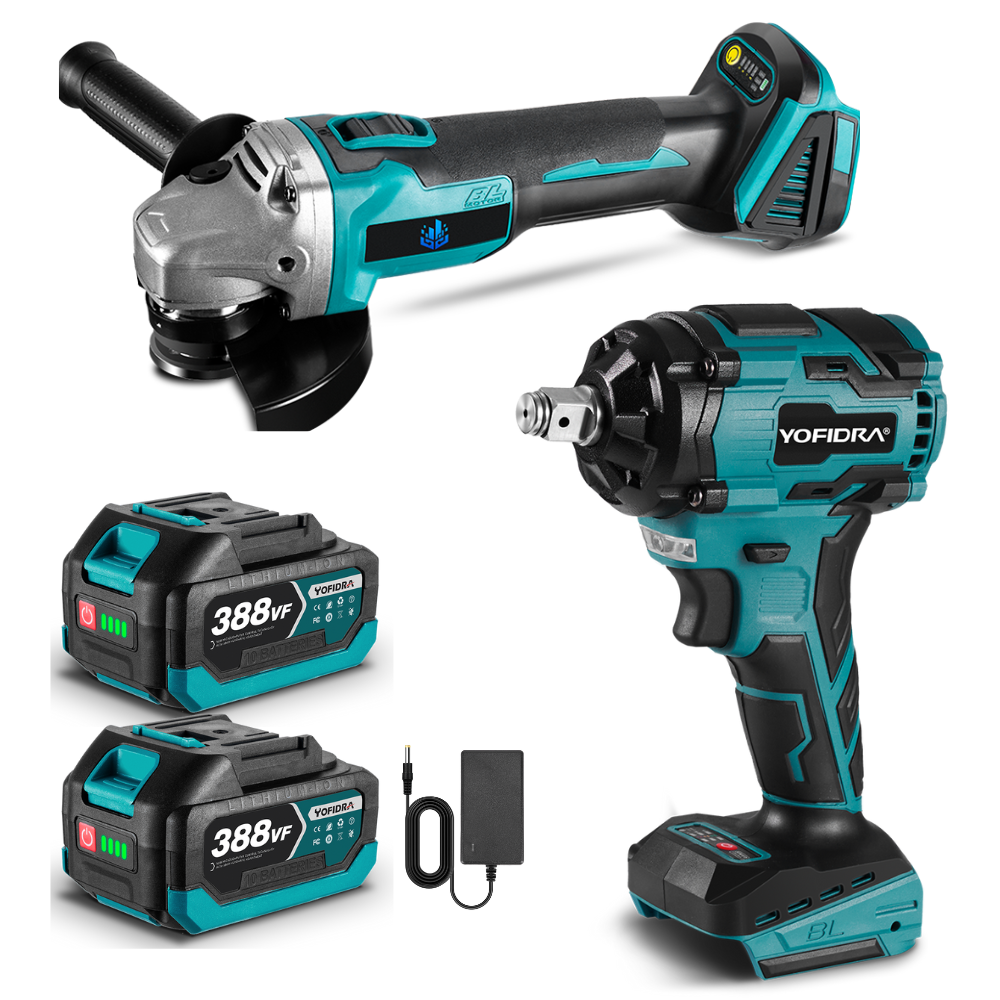
To remove stuck lug nuts with a cordless impact wrench, attach the correct socket to it. Then, set it to reverse, press firmly onto the lug nut, and pull the trigger. Apply penetrating oil if it is not working.
In 2024, the AAA reported responding to almost 3 million calls for roadside assistance dealing with flat tires. Many of those drivers just could not get their wheels off. If you are wondering how to remove stuck lug nuts with an impact wrench, you are in the right place.
It is normal to question if battery power is enough. So, can an impact wrench remove lug nuts that feel welded on? Yes, absolutely. Modern battery tools deliver massive torque that manual hand tools simply cannot match. This guide will show you exactly how to remove lug nuts with an impact wrench step by step. We will also cover how to remove stuck lug nuts without an impact wrench and exactly how to get lug nuts off without an impact wrench if you find yourself stranded without power tools.
We are sharing real workshop experience here. We will break down why parts freeze up, how to prepare safely, the exact steps to free the fasteners, and what to do when things go wrong.
1. Why Lug Nuts Get Stuck and Why a Cordless Impact Wrench Is the Best Tool to Remove Them
Hardware rarely just gets stuck for no reason. Usually, a mix of bad shop practices and basic chemistry creates the problem.
Common Causes of Stuck Lug Nuts
-
Overtightening from tire shops using air guns
A survey of mechanics on Bob Is The Oil Guy found that overtightening happens at tire and brake shops about 40% of the time. Many tire centers and quick oil change service shops use heavy-duty pneumatic guns to put wheels back on. They often skip the final manual torque check. The air guns push the metal beyond its safe limit, which stretches the threads and causes them to bind tightly in place. -
Rust and corrosion between the lug nut and wheel stud
Water, road salt, and mud constantly spray inside your wheel wells. Over time, moisture sneaks into the tiny gaps in the threads. Iron turns to iron oxide. Rust actually takes up more physical space than clean metal, creating extreme pressure inside the threads that locks everything together. -
Galvanic corrosion between aluminum wheels and steel studs
This happens when two different types of metal come into contact. Most modern rims are made of aluminum, while the studs and nuts are made of steel. When moisture acts like a bridge between them, a small electrical charge passes through the metals. This reaction causes them to bind together due to electrochemical processes. -
Cross-threaded lug nuts from hand-starting mistakes
If a mechanic or a DIYer forces the nut on at a slight angle and then uses a power tool, the steel threads grind into each other. This destroys the smooth spiral track. The nut forces its way down, effectively destroying both parts and creating a permanent mechanical jam.
Why a Cordless Impact Wrench Is Better Than Manual Tools for Stuck Lug Nuts
If you just grab a long pipe and pull, you apply constant, steady force. Sometimes that snaps the stud right off. Battery-powered impact wrenches work differently.
-
Impact hammering breaks corrosion bonds that steady force cannot.
Inside the tool, a heavy metal hammer spins and strikes an anvil repeatedly. These rapid hits shatter the brittle rust inside the threads. -
Full torque delivered instantly - no leverage or strength required.
When you pull a tire iron, your muscles have to fight the resistance. An impact tool gives you maximum twisting power right away. You do not need to stand on a breaker bar or strain your back. -
Short bursts create vibration that helps loosen the fastener.
The tool creates intense, high-frequency shaking. This vibration travels down the socket and into the stud. The shaking loosens the dirt, rust, and chemical bonds holding the metal together.
2. What You Need Before Removing Stuck Lug Nuts With a Cordless Impact Wrench
Preparation is the most important part of the job. Rushing in with a power tool before you set up properly leads to broken parts or personal injury.
Safety First: Parking Brake, Wheel Chocks, and Jack Stands
Don't try to remove stubborn parts when your car is just on a hydraulic jack. Shaking the tool could easily make the car fall.
Start by pulling your emergency brake all the way up. Then, put sturdy blocks on both the front and back of the tires on the side away from where you're working. If you're lifting the car, put strong steel jack stands under the manufacturer-recommended lifting points. Make sure the car's full weight is on the stands before you begin.
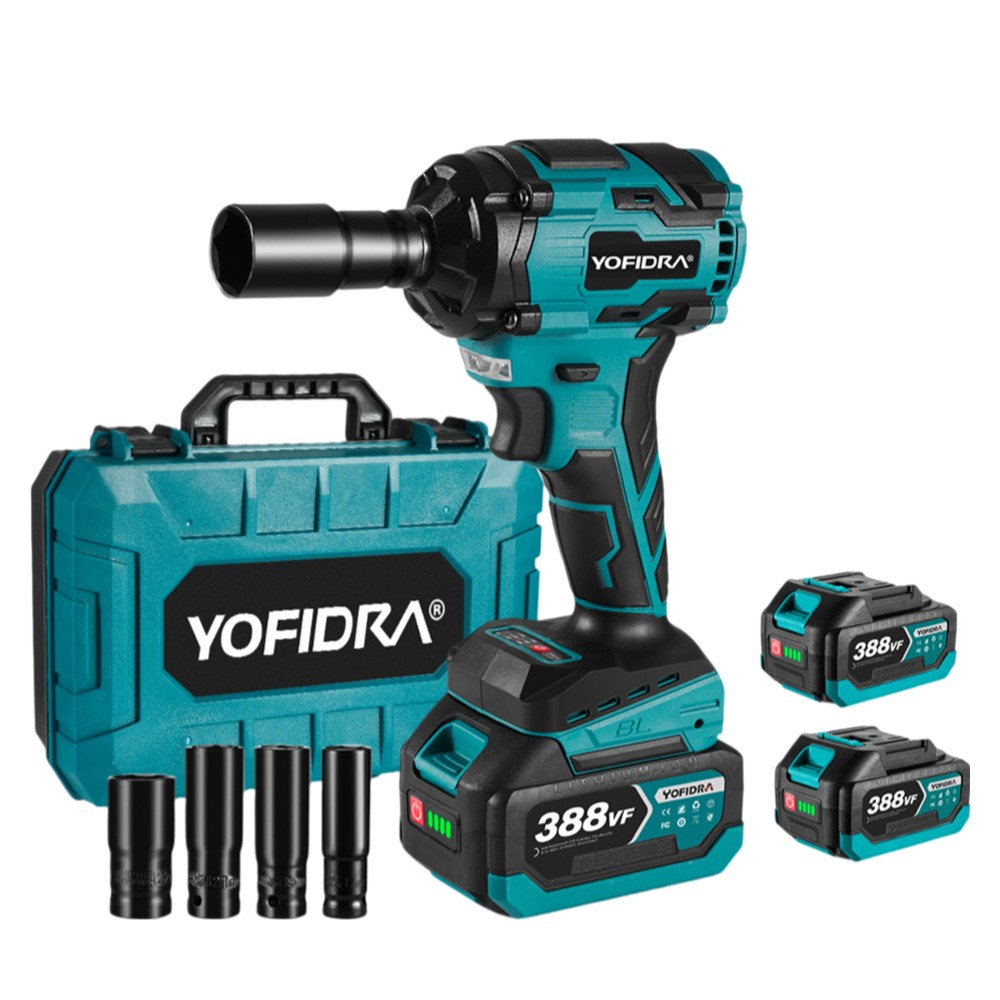
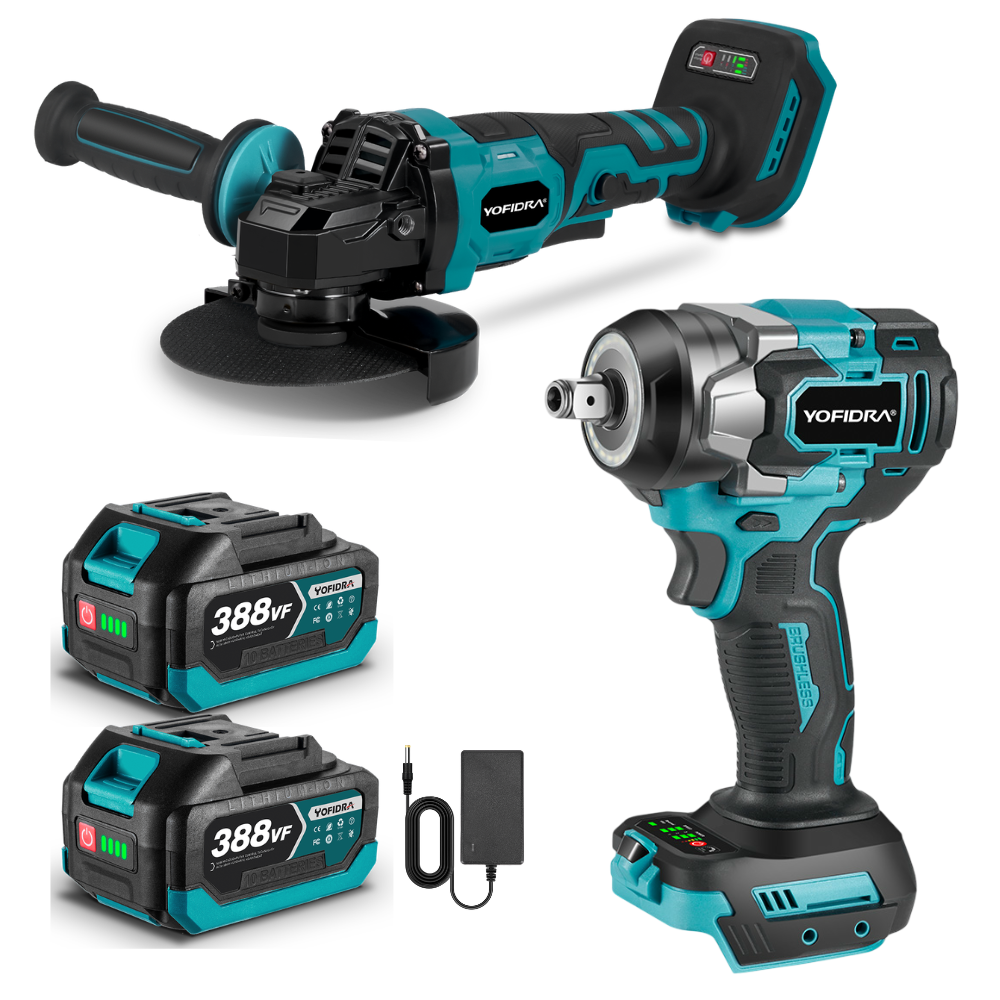
For removing stuck hardware, your cordless impact wrench must have a 1/2-inch drive and sufficient breakaway torque to overcome rusted threads. NewBeny 1/2" 520N.m Brushless Cordless Impact Wrench handles standard car tire changes with ease, while higher-torque models like theNewBeny 1000N.m or 1200N.m Cordless Impact Wrench are built for heavily rusted truck wheels and stubborn commercial hardware.
Choosing the Right Impact Socket for Your Cordless Impact Wrench
Standard chrome sockets belong in your hand toolbox, never on a power tool.
-
Impact-rated sockets only - chrome sockets crack under impact
Chrome sockets are made of brittle steel. The hammering action of the tool will shatter them like glass, sending sharp metal flying into your face. Impact sockets are made from softer, thicker chromium-molybdenum steel that absorbs shock without breaking. -
Common lug nut sizes: 17mm, 19mm, 21mm, 22mm
Make sure you know your exact size. A loose fit will round off the nut's corners. Check your owner's manual or test-fit a few sizes by hand before attaching the tool. -
Thin-wall sockets for wheels with tight lug nut wells
Custom aftermarket rims often have very narrow holes. A standard thick impact socket will get stuck inside the wheel. You must buy special thin-walled sockets designed for these tight spaces.
Penetrating Oil: The Secret Weapon for Stuck Lug Nuts
When rust fuses a lug nut to the stud, using pure force can easily snap the bolt. Penetrating oil melts through the rust and makes the threads slippery again so the nut comes off smoothly.
- Scrape off dirt and rust: Scrub away thick dirt and rust from the lug nut with a stiff wire brush. Cleaning the area keeps extra grit from jamming the threads when you turn the nut.
- Spray the fluid: Spray the oil right where the lug nut touches the stud and the wheel. If you can reach behind the wheel rim, spray the back of the stud too.
- Wait for it to sink in: The oil needs time to seep deep into the tight spaces between the threads. Let it sit for 10 to 15 minutes. If it is badly rusted, spray it again and wait another 30 minutes.
- Tap the nut: Lightly hit the end of the lug nut with a brass hammer. The small vibrations crack the rust open, letting the oil soak in even deeper before you try to turn it.
3. How to Remove Stuck Lug Nuts With a Cordless Impact Wrench: Step by Step
Now that you have your gear ready, let us walk through the exact process. Do not skip steps.
Step 1 - Apply Penetrating Oil and Let It Soak
Spray the penetrating oil directly where the nut meets the wheel. Also spray inside the nut's open end if the stud passes all the way through. Do not just spray and immediately start working. Walk away. Give the fluid at least fifteen to thirty minutes to work its way down the threads. If the parts are very rusty, spray them again and wait an hour.
Step 2 - Set the Cordless Impact Wrench to Full Power
Most modern battery tools have speed or power selectors on the base. For removing frozen hardware, you need maximum breakaway torque. Switch the tool to its highest setting. Make sure your battery is fully charged. A battery at 50% capacity will not deliver the peak torque you need to break heavy rust.
Step 3 - Use Short, Repeated Trigger Bursts to Hammer the Lug Nut
Do not just hold the trigger down forever. Push the socket firmly onto the nut. Pull the trigger for about three seconds, then let go. This allows the internal hammer to hit with maximum force. Listen to the sound. The tool will make a loud clacking noise. If the nut does not spin after ten seconds of this hammering, stop. Holding the trigger down too long generates massive heat that can actually melt the stud.
Step 4 - Rock the Lug Nut Back and Forth (Tighten-Loosen Technique)
If the nut is stuck, try tightening it by just a tiny fraction of an inch. Switch the tool to forward (tighten) and give it one quick burst. Then switch back to reverse (loosen) and hit it again. This back-and-forth rocking motion acts like a saw, cutting through the rust and dirt trapped in the threads.
Step 5 - Escalate With a Breaker Bar or Pipe Extension if the Impact Wrench Won't Budge It
Grab your long half-inch-drive breaker bar. Put the socket on the bar and slide a hollow steel pipe over the handle. This gives you massive leverage. Stand carefully and apply slow, steady body weight. Once you hear a loud pop and the nut moves, take the manual bar off and finish the job with the battery tool.
Step 6 - Apply Heat Carefully (Steel Wheels Only, Never Aluminum)
If oil and leverage fail, heat is your last resort. Use a small propane torch to heat the nut itself. The heat makes the nut expand slightly, breaking the rust bond.
Warning: Only do this on basic steel wheels. Never use a torch on aluminum alloy wheels. Heat will destroy the clear coat, melt the paint, and can even change the structural strength of the aluminum, making the wheel unsafe to drive on.
Technique Reference Table
|
Technique |
When to Use |
How It Works |
|
Penetrating oil soak |
Before starting any stubborn removal job |
Fluid seeps into micro gaps to dissolve rust bonds |
|
Full power + short bursts |
Standard removal process |
Hammering shatters brittle corrosion quickly |
|
Tighten-loosen rocking |
When the nut turns slightly but binds up |
Grinds away rust trapped deep inside the threads |
|
Breaker bar + pipe extension |
When battery tools fail to provide enough force |
Multiplies human pulling force through extreme leverage |
|
Controlled heat |
Final effort on severely rusted parts |
Expands the outer metal to break the chemical grip |
4. When a Cordless Impact Wrench Won't Remove a Stuck Lug Nut: Escalation and Damage Prevention
Knowing when to stop is just as important as knowing how to pull hard. If you ignore the warning signs, you will turn a thirty-minute job into a costly repair.
Warning Signs You're About to Snap a Wheel Stud
- l Socket starts slipping or rounding the nut.
If the tool spins but the fastener does not turn, stop immediately. You are shaving the metal corners off. Once the nut becomes completely round, normal tools will never grip it again. - l Stud flexes visibly under impact
Watch the base of the metal rod where it comes through the wheel. If you see it bending sideways while the tool hammers, it is about to snap in half. - l Excessive heat or discoloration on the stud
If you hammer away for too long, the friction creates extreme heat. If the metal turns blue or starts smoking, let it cool down completely. Hot metal is weak metal.
The Tap-and-Impact Technique With a Hammer
If the power tool is struggling, grab a heavy steel hammer. Hit the flat face of the stuck nut directly inward a few times. Do not hit the threads. This sharp inward shock can crack the rust layer on the inside flange where the nut meets the rim. After three good hits, try the battery tool again.
When to Stop and Call a Professional When a Cordless Impact Wrench Won't Remove a Stuck Lug Nut
The National Transportation Safety Board determined that 40% of all wheel violations occurred due to loose or missing nuts. If you have soaked it in oil for two days, used a breaker bar, applied heat, and it still does not move, it may be time to consider calling a tow truck. A professional shop has massive one-inch drive air tools and oxy-acetylene torches that can melt steel like butter. Paying a shop fifty dollars to safely remove it is much better than paying a shop five hundred dollars to drill out a snapped stud and replace a damaged hub assembly.
5. How to Remove Stuck Lug Nuts Without a Cordless Impact Wrench: Alternative Tools
Sometimes you get a flat tire away from home, and your battery tool is sitting in your garage. You need to know how to remove stuck lug nuts without an impact wrench. There are several ways to get the job done manually. Here is how to get lug nuts off without an impact wrench.
Breaker Bar With a Pipe Extension for Maximum Leverage
This is the oldest trick in the book. A breaker bar has no ratcheting mechanism inside, so it will not break under pressure. Buy a two-foot-long hollow steel pipe that fits snugly over the handle. Slide it on. This gives you three to four feet of leverage. Put your hands at the very end of the pipe and lean into it.
Manual Impact Driver: The Hammer-Powered Alternative
A manual driver looks like a heavy, thick screwdriver. You put your socket on the end, twist the handle in the direction you want it to go, and hit the back of the tool as hard as you can with a sledgehammer. The tool converts the forward strike into a massive burst of twisting force.
Lug Nut Extractor Socket for Rounded-Off Lug Nuts
If the corners are already destroyed, you need an extractor socket. These have reverse-cut spiral teeth inside. As you turn them to the left, the sharp teeth bite deeply into the soft metal of the ruined nut. You hammer the extractor on, attach your breaker bar, and pull. You will have to throw the old nut away afterward.
Heat and Penetrating Oil: The Chemical-Mechanical Combination
If you only have simple hand tools, you have to use chemistry and physics. Spray the oil, wait an hour, then apply heat to the nut, let it cool, spray again, and pull with your wrench. The hot-to-cold cycle draws the oil deeper into the threads.
When to Use Roadside Assistance or a Tire Shop
If you are on a busy highway with cars flying past you at seventy miles per hour, stop working. Do not risk your life for a flat tire. Call for a tow truck. They have specialized tools on their trucks designed to handle exactly this problem safely.
Alternative Tool Comparison Table
|
Alternative Tool |
How It Works |
Best For |
Limitation |
|
Breaker bar + pipe extension |
Multiplies pulling force |
Clean, uncorroded but very tight hardware |
Requires a lot of physical space to swing |
|
Manual impact driver |
Converts hammer blows to turning force |
Breaks mild rust bonds without power |
Requires physical strength and a heavy hammer |
|
Lug nut extractor socket |
Spiral teeth bite into damaged metal |
Nuts with rounded or stripped outside corners |
Destroys the fastener entirely |
|
Heat (torch) + penetrating oil |
Expands metal and dissolves rust |
Severe corrosion on older steel wheels |
Fire hazard; ruins aluminum rim finishes |
|
Roadside assistance/tire shop |
Professional heavy-duty equipment |
Highway breakdowns or completely frozen parts |
Takes time to arrive and costs money |
6. Preventing Lug Nuts From Getting Stuck in the Future
Once you finally get the wheel off, you want to make sure you never have to deal with this nightmare again. Good maintenance habits prevent problems before they start.
- l Anti-seize compound on stud threads (sparingly)
Mechanics debate this often. If you live in a snowy area where roads are salted, a tiny drop of copper anti-seize paste on the threads prevents rust. However, you must apply it very sparingly. Too much paste acts like a lubricant, which can cause the nut to loosen itself while driving. - l Hand-tighten, then torque to spec -never air-gun final tightening
Always start threading the nut on by hand for the first few turns to ensure proper alignment and prevent cross-threading. Never use an air gun for the final tightening. Also, remember that "hand tight" is not a reliable standard unit of measurement due to daily variations in human strength. Your physical strength varies depending on how tired you are, leading to inconsistent results. Always finish the job using a calibrated torque wrench set to your car manufacturer specifications. - l Re-torque after 50 miles following any wheel service
Metal expands and contracts as you drive and the brakes heat up. New wheels or freshly installed tires often settle into place after a short drive. Always use your torque wrench to check the tightness again after driving about fifty miles.
7. Conclusions
To remove a stuck wheel bolt easily, first use a battery-powered impact wrench because its hammering action breaks through rust and dirt. Also, always wear safety glasses and put the car on jack stands. Next, spray penetrating fluid to help loosen the rust before you start. Finally, make sure to tighten the bolts to the correct torque when putting the wheel back on.
8. FAQs
How Do You Remove Anti-Theft Lug Nuts Without the Key?
If you lose your special security key socket, you can use a twelve-point socket that is a size smaller than the security nut. Hammer the twelve-point socket directly onto the round security nut until it wedges itself deeply onto the metal. Attach your breaker bar and slowly apply pressure to twist it off. This will ruin the security nut and the socket, but it will get your wheel off in an emergency.
Can You Drive With a Loose or Missing Lug Nut?
You should never drive with missing hardware. The vehicle manufacturer designed the wheel hub to handle the car weight using a specific number of connection points. If one is missing, all the extra stress shifts to the remaining studs. This uneven pressure can cause the remaining studs to snap entirely, resulting in the wheel falling off the car while you are moving.
Why Do My Lug Nuts Keep Coming Loose After a Tire Change?
This usually happens because dirt, rust, or old paint was trapped between the wheel and the brake rotor during installation. As you drive, the vibration grinds this dirt away, creating a tiny gap. Once that gap opens, the clamping force vanishes, and the nuts back off. Always clean the mounting surfaces with a wire brush before putting your wheels back on.
Should You Use Anti-Seize or Grease on Lug Nuts?
Most vehicle manuals strictly tell you to install the hardware dry. Grease acts as a deep lubricant. Because the threads are lubricated, the torque wrench will slide more easily, and you will actually stretch the stud by pulling it too far before the wrench clicks. If you live in a highly corrosive environment, use only a very small amount of anti-seize on the threads, and keep it entirely off the angled seating surface of the nut.