Many equipment operators find themselves confused when choosing between an impact wrench and a torque wrench. Both tools work with nuts and bolts. However, their functions are distinct. Using the wrong tool damages expensive machinery. This technical guide explains their mechanics and rules for proper use so you make the correct choice.
1. Impact Wrench and Torque Wrench: The Main Difference Between These Two Tools
What is the difference between torque wrench and impact wrench? What distinguishes a torque wrench from an impact wrench is mainly how they deliver and control force. An impact wrench applies rapid, forceful rotational strikes to break loose stubborn bolts. It primarily relies on kinetic energy transferred through mechanical impacts, although it may also use internal mechanisms to optimize performance. In contrast, a torque wrench applies a smooth, gradual force, measuring the exact tightness of fasteners by resisting mechanical torque. It depends on precise mechanical resistance to determine the applied torque.
Understanding how each tool works is important. Fasteners stay tight primarily because of friction and tension. When a bolt is stuck, static friction between the threads maximizes resistance, making it difficult to loosen with gradual force. Impact wrenches leverage sudden, high-energy impacts to overcome these strong static frictional bonds efficiently.
On the other hand, when installing components, it's crucial to apply a specific, predictable torque to ensure proper tension without damaging threads. A torque wrench provides this controlled force measurement. Because it relies on detecting resistance rather than applying impacts, it cannot deliver rapid, forceful impacts like an impact wrench or measure torque directly during operation. The two tools serve opposite roles in the mechanical fastening process—impact wrenches for quick removal or loose assembly, torque wrenches for precise, controlled tightening to specifications.
What an Impact Wrench Does
An impact wrench removes stubborn fasteners very rapidly. The internal mechanism contains a heavy rotating metal hammer and a solid steel anvil. An electric motor or a pneumatic air motor spins the hammer at a very high speed. When the motor spins, the hammer strikes the anvil repeatedly. This creates short, powerful bursts of torque.
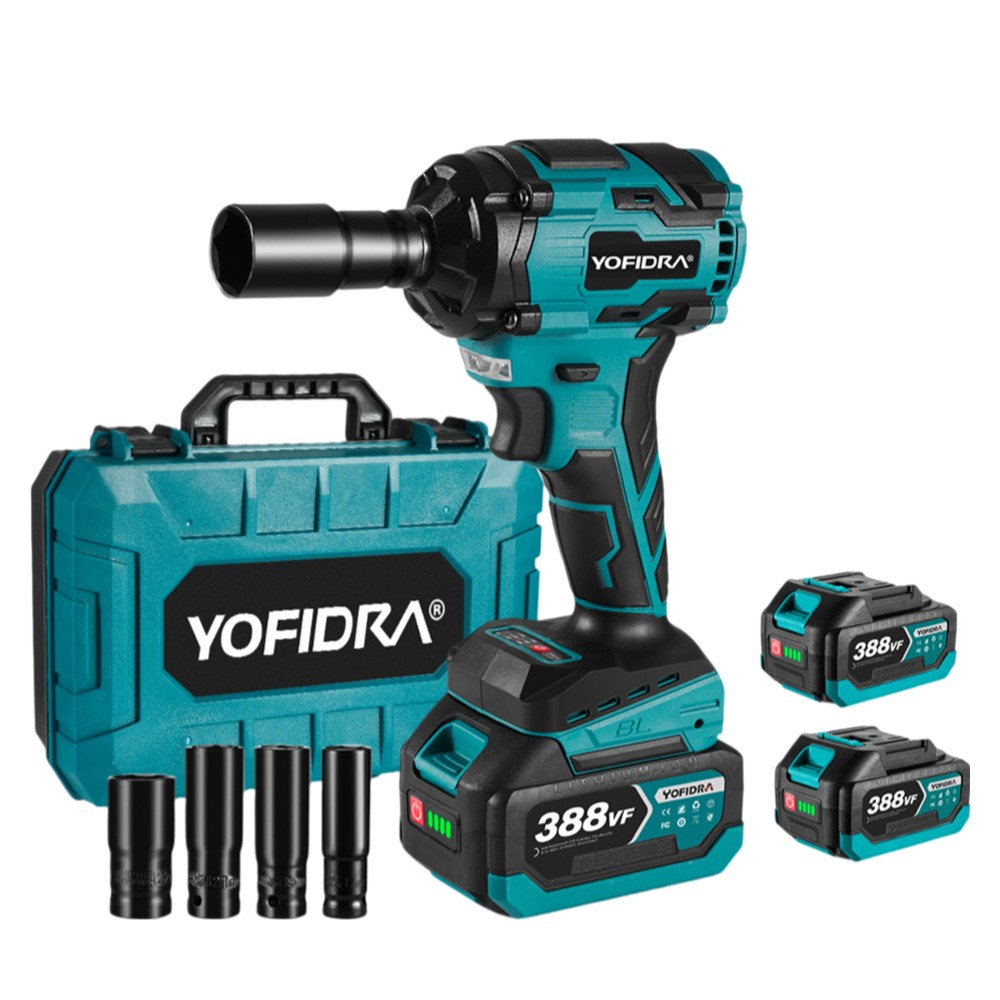
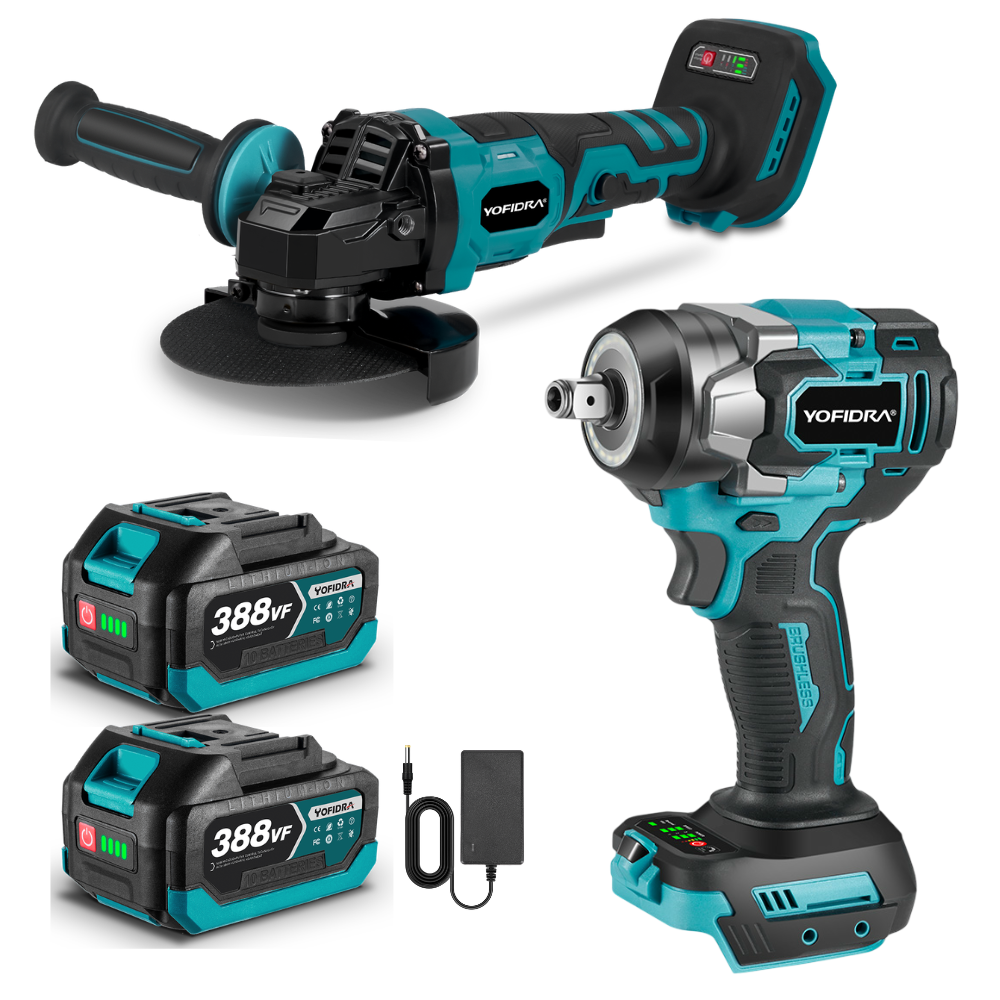
These rapid impacts break the static friction holding a rusted bolt. Because the force happens in milliseconds, the impact wrench does not twist your wrist during operation. Most of the force goes straight to the bolt. If you need a reliable impact wrench that delivers high kinetic energy for heavy-duty tasks, a quality Newbeny impact wrench provides the necessary power to overcome heavy resistance.
Equipment operators use an impact wrench to remove lug nuts, suspension bolts, and heavy machinery fasteners. It saves hours of manual labor and prevents physical fatigue.
However, the challenge lies in the limited control over the tightness of the fasteners. An impact wrench does not provide a torque measurement, making it difficult to determine the exact tightness of a bolt. The hammer mechanism strikes thousands of times per minute. It will drive a bolt inward until the metal breaks. Therefore, the impact wrench is strictly the right tool for driving fasteners into wood where exact tension is not a strict safety requirement.
What a Torque Wrench Does
A torque wrench controls the exact clamping force on a threaded fastener. When you tighten a bolt, the metal bolt actually stretches like a heavy steel spring. This physical stretching creates tension. This tension holds engine parts or wheels together safely.
Engineers calculate the exact tension required for every single bolt on a machine. If the tension is insufficient, it can lead to vibrations that may cause the machine parts to loosen during operation. If the tension is too high, the metal bolt stretches beyond its elastic limit and breaks into two pieces.
A torque wrench measures this rotational force accurately. You set the required number on the handle using a printed micrometer scale and pull the long handle slowly and steadily. Inside the steel tube, a precision coil spring holds a metal pivot block. Once the set torque is reached, the mechanism clicks. It makes a loud clicking sound that means you must stop pulling immediately.
This helps you tighten the bolt to the correct specification. Most click-type torque wrenches are operated by hand. There is no electric motor or hammering action. It is a delicate torque wrench wrapped in a heavy steel body. It requires careful storage and gentle handling to maintain its internal factory calibration.
The Rule for an Impact Wrench vs a Torque Wrench
Use an impact wrench to remove quickly and a torque wrench for final tightening.
When to Use a Torque Wrench
Use a torque wrench when you need to tighten a fastener to a specific, accurate tightness.
Engine Parts: Tightening cylinder head bolts, spark plugs where exact pressure is critical.
Precision Assemblies: Working on delicate parts like aluminum engine blocks, plastic housings, or sensitive machinery.
Safety-Critical Fasteners: Installing lug nuts on vehicle wheels to prevent them from loosening the brake rotors.
Manufacturer Specifications: Anytime a repair manual provides a specific torque value (e.g., 85 ft-lbs).
When to Use an Impact Wrench
Use an impact wrench when you need high force and speed to quickly remove or install stubborn, rusted, or heavy-duty fasteners.
Removing Stuck Bolts: Loosening rusted nuts and bolts that a hand tool cannot budge.
High-Volume Work: Quickly driving or removing long bolts during heavy automotive work or construction.
Heavy Duty Tasks: Working with heavy equipment machinery.
Non-Precision Fastening: Situations where you simply need the fastener to be tight enough and exact torque values are not required.
2. Impact Wrench vs Torque Wrench: Side by Side Comparison Table
The table below compares these tools across multiple technical factors. The last column shows which tool is better for each specific parameter.
|
Feature Parameter |
Impact Wrench |
Torque Wrench |
Which Wins? |
|
Rotational Speed |
Very high RPM |
Manual slow pulling |
Impact Wrench |
|
Force Measurement |
Zero exact measurement |
Highly calibrated measurement |
Torque Wrench |
|
Power Source |
Electricity or compressed air |
Human muscle power |
Impact Wrench |
|
Tool Maintenance |
Requires motor grease |
Requires annual calibration |
Impact Wrench |
|
Fastener Protection |
High risk of thread damage |
Prevents thread damage |
Torque Wrench |
|
Recoil Force on User |
Very low user fatigue |
High physical effort required |
Impact Wrench |
3. Impact Wrench vs Torque Wrench: Which One Should You Use?
The table below shows exactly which tool is appropriate for common automotive and industrial scenarios. You must match the tool to the specific phase of your repair project.
|
Common Task Scenario |
Should You Use an Impact Wrench? |
Should You Use a Torque Wrench? |
|
Removing rusted exhaust bolts |
Yes |
No |
|
Tightening engine cylinder head bolts |
No |
Yes |
|
Removing heavy car wheels |
Yes |
No |
|
Final tightening of car wheels |
No |
Yes |
|
Driving long screws into thick wood |
Yes |
No |
|
Assembling internal engine parts |
No |
Yes |
4. Can an Impact Wrench Replace a Torque Wrench?
No, an impact wrench cannot replace a torque wrench under any circumstances. They do not share the same internal mechanical technology. The impact wrench generates unmeasured raw force, and the torque wrench measures applied physical force. Using an impact wrench instead of a torque wrench can damage bolts, threads, and other parts.
Why You Should NOT Use an Impact Wrench as a Torque Wrench
You should not use an impact wrench for final tightening because it can easily damage the fasteners. The hammer mechanism hits thousands of times per minute. Because of this extreme speed, you will stretch the metal bolt past its elastic limit in less than one second.
Metals have an elastic region and a plastic region. In the elastic region, a bolt acts like a normal spring. It stretches and returns to its original shape. In the plastic region, the bolt deforms permanently. It loses all clamping strength forever. Too much force can stretch a bolt beyond its safe limit.
Consequently, the internal threads of an engine block or wheel hub may strip and tear. The metal pulls away entirely. Repairing stripped threads often requires drilling, tapping, and installing new metal thread inserts. This complex process costs a lot of money and takes hours of extra labor. You will also create a severe safety hazard. If wheels or engine parts fall off during operation because the bolts lose their clamping force, this can create a serious safety risk. But the problem is that you cannot see this damage immediately. The bolt looks tight, but it is actually broken inside the deep hole.
5. Can a Torque Wrench Replace an Impact Wrench?
No, a torque wrench cannot replace an impact wrench. They serve completely opposite mechanical functions. A torque wrench lacks the sudden kinetic energy required to break chemical bonds and heavy rust. Using a torque wrench for removal purposes completely defeats its original design.
Why You Should NOT Use a Torque Wrench as an Impact Wrench
The torque wrench has delicate internal springs and precision calibration sensors. You must not use a torque wrench to break loose tight or rusted bolts.
When you apply sudden force to break a stuck bolt, you push the internal spring beyond its calibrated limit. You permanently bend the internal measuring components. The torque wrench will lose its calibration immediately. Once the calibration is wrong, every single bolt you tighten in the future will be completely incorrect.
Furthermore, the torque wrench lacks the sudden hammering action required to break deep rust safely. To remove a rusted bolt manually, you need continuous, massive physical leverage. The torque wrench is not designed to handle massive static bending forces.
6. Can an Impact Wrench and a Torque Wrench Be Used Together?
Yes, professional equipment operators use both tools together on almost every major project. You use the impact wrench's speed and the torque wrench's precision to finish a job quickly and safely. They work best when used together.
Step-by-Step: Using an Impact Wrench and a Torque Wrench Together
Taking automotive tire replacement as a clear example, here is exactly how these two tools work together in the same exact task.
Here's a version with plain, natural sequencing:
1. Lift and Secure the Vehicle
First, put the jack under the right lift point. Pump it slowly until the wheel comes off the ground. Then slide the jack stands under the frame and lower the car onto them. Give the car a shake before you go near a wheel. Never trust the jack alone to hold the weight.
2. Take Off the Lug Nuts
Grab the impact wrench and fit it onto the first nut. Keep the impact wrench straight. Pull the trigger in short bursts, one nut at a time. Work your way around the wheel. Put the nuts somewhere safe so they don't roll under the car.
3. Change the Tire
Pull the old tire off toward you. Look at the hub, and wipe off any rust or dirt with a rag. Then pick up the new tire and line the holes up with the studs. Push it flat against the hub.
4. Start the Lug Nuts by Hand
Now thread each nut on using just your fingers. Go slow. If one feels tight or won't turn easily, back it out and try it again at a slightly different angle. Skip the impact wrench here. Doing this by hand first stops the threads from stripping.
5. Snug Them Down
Turn the impact wrench to its lowest setting. Run each nut down until it touches the rim, then stop right there. Don't let it hammer past that point.
6. Set Up the Torque Wrench
Bring the car back down to the ground. With the tire resting on the ground, the wheel won't spin on you. Look up the torque number in the manual, something like 100 foot-pounds is common. Set that number on the torque wrench.
7. Finish in a Star Pattern
Pick a nut and pull the torque wrench until it clicks. Stop right when you hear it. Move to the nut across from it, not the one beside it, and click that one too. Keep crossing back and forth around the wheel until every nut has clicked once. This way the wheel pulls in evenly instead of sitting crooked on one side.
7. Impact Wrench vs Torque Wrench: Which Tool Should You Buy First?
The decision depends entirely on your current projects and daily workflow. Both tools require a financial investment. You must evaluate the most common mechanical problems to decide which tool brings the most immediate value to your specific workshop.
Buy an Impact Wrench First If You Do Mostly Disassembly
Buy the impact wrench first if you spend hours fighting rusted bolts. For instance, if you work on old farm equipment, dirty suspension systems, or scrap yard vehicles, disassembly is the biggest daily problem. Here, speed is your primary professional goal.
The impact wrench will save your hands from severe injury and hours of wasted time. Rusted bolts often snap when you pull them slowly with a manual hand wrench. The sudden kinetic shocks from the impact wrench break the hard rust without snapping the fragile bolt head. Therefore, if your daily work involves tearing down old rusty machines, the impact wrench is the smartest first purchase. It can save a lot of time on tough jobs.
Buy a Torque Wrench First If You Do Precision Assembly
You should buy the torque wrench first if the purpose is to build modern engines, work on fast motorcycles, or install delicate aluminum parts. Engine blocks require exact tension to seal rubber gaskets properly. If you guess the tightness by hand, the engine will leak oil or lose internal compression very quickly.
Aluminum threads are very soft because they strip easily if you over-tighten them even slightly. Therefore, the torque wrench is mandatory for any successful assembly project. If the work involves assembling clean parts, you must prioritize the use of a torque wrench to ensure absolute safety and strict quality control.
Budget-Friendly Path: Buy Both an Impact Wrench and a Torque Wrench
If you do full automotive restorations or heavy industrial maintenance, you eventually need both tools to work effectively. The best financial path is to buy a high-quality torque wrench first. Precision is very important for safety. Do not compromise on a cheap torque wrench because inaccurate tension leads to dangerous equipment failures.
Then, buy a mid-range impact wrench to handle the heavy removal work. There is no need to get the most expensive impact wrench on the market for basic removal tasks. A mid-range impact wrench provides enough kinetic energy to remove most bolts. This specific tool combination protects your delicate assembly work while providing enough power for everyday removal tasks.
8. Conclusion
Now you understand the difference between a torque wrench and an impact wrench. Both tools hold a permanent place in a professional workshop. You cannot build a safe machine without a torque wrench. It will be very difficult to disassemble old machinery efficiently without an impact wrench. Learn their mechanical limits. You will save time with the impact wrench and protect components with the torque wrench.
9. FAQs
Is a torque wrench the same as an impact wrench?
No, they are entirely different tools designed for opposite purposes. The impact wrench uses an electric motor or pneumatic rotor to deliver sudden kinetic strikes for removing stuck bolts quickly. The torque wrench uses internal calibrated springs to measure exact rotational tension for installing bolts safely. They work in completely different ways and perform completely different mechanical jobs in a workshop.
Can I Use a Torque Wrench to Loosen Bolts?
You should avoid doing this at all costs. Using a torque wrench to loosen tight bolts applies maximum physical stress to the delicate internal measuring parts. This bad practice destroys the calibration accuracy instantly. It ruins the torque wrench permanently. You should use a heavy solid breaker bar or an impact wrench instead to prevent massive financial loss.
What Happens If I Use an Impact Wrench for Final Tightening?
You will destroy the fastener completely. The impact wrench applies too much kinetic force too quickly. You will stretch the metal threads beyond their elastic limit. You will break the solid bolt head off. Or, you will crack the expensive cast iron material you are trying to secure. Using an impact wrench for final tightening compromises control in the assembly process and increases the risk of future mechanical failure.
Do Modern Impact Wrenches Have Torque Limiting?
Some modern premium impact wrenches have basic electronic settings to limit power output. But these electronic limits are very basic and highly inaccurate. They only prevent massive over-tightening during the initial snugging phase. They do not provide the exact, calibrated, physical measurement required for safe engine building. You must still use the torque wrench for the final step to ensure safety.