Your hardwood floors are not just some random part of the house. You have invested a lot of money in it. They are beautiful, they add real value to your property, and honestly? They require the right kind of care to stay that way. But the real problem is that the wrong vacuum cleaner can cause significant damage.
Many people don’t realize the problem until the damage has already occurred. Suddenly, they notice scratches appearing seemingly out of nowhere, along with fine lines that definitely weren’t there before. At that point, they find themselves wondering, what went wrong? Often, the answer is right in their closet—a vacuum cleaner that is completely unsuitable for hardwood floors.
This isn't about being precious or being overly cautious for no reason. Hardwood floors have very specific vulnerabilities and weaknesses that other flooring types do not share. If you pick the wrong tool, you are essentially slowly degrading your floors with every single cleaning session. But if you pick the right vacuum cleaner, you can protect your investment and keep your home genuinely clean at the same time.
The good news is that understanding what makes a vacuum cleaner suitable for hardwood is not complicated. It's not complicated. You just need to know exactly what to look for.
1. The Hardwood Floors and Their Unique Cleaning Challenges
The Material Structure and Vulnerability of Hardwood Floors
First, let's understand the material itself. The surface layer of your hardwood floor—what we call the finish—is basically a protective coating. It sits right on top of the wood. This finish gives your floors a nice shine and acts as a barrier against moisture and daily wear and tear. However, this is the important part. It is also surprisingly susceptible to damage from friction and hard scratches.
Think of it like the clear coat on a brand-new car. It protects the paint underneath, right? But it can be worn away or scratched very easily if you aren't careful about what is touching it.
Beneath that coating lies the wood structure. This presents its own challenges. Wood is hygroscopic. Now, don't let the huge term mislead you. It simply implies that the humidity of the surrounding air affects how much moisture wood absorbs and releases. For just this reason, when the seasons change, hardwood floors expand and contract. They are quite susceptible to moisture as well. Excessive water exposure might cause them to distort, cup, or even rot. Therefore, routine maintenance is not optional. It is the actual distinction between flooring that requires a complete repair much sooner than it should, and floors that last for decades.
Common Types of Surface Damage on Hardwood Floors
Now, we will discuss the damage. Scratches are the most obvious ones. They appear as fine lines or, in some cases, deeper gouges, depending on what caused them. And these aren't just looks issues. No. Once that finish is compromised, moisture can get into the wood much more easily.
Next, there is finish wear. This happens slowly and gradually. You will notice that high-traffic areas are starting to look duller than the rest of the floor. The protective coating is literally being rubbed away, leaving the wood totally vulnerable. This often occurs so gradually that people do not notice until the difference is pronounced.
Lastly, there is discoloration. This can result from various factors. For example, UV exposure from the sun, moisture damage, and just the finish breaking down. Sometimes, what looks like a permanent stain is actually just the finish degrading in that one specific spot. The wood underneath might be perfectly fine, but the protective layer? It is just not doing its job anymore.
Cleaning Challenges Faced in Household Environments with Hardwood Floors
In most households, fine dust, pollen, and debris are present. These particles don't just remain on the surface of the floor. Instead, they work their way into the grain of the wood and into any tiny micro-scratches in the finish.
Pet hair is such a pain. It sticks to the floors, jams into corners, and somehow pops right back up minutes after you clean. Those bits aren't just messy; they are abrasive. Walking on them feels like sandpaper, slowly wearing down your floor's finish.
Sand and gravel are your real problems. These are the worst. They act like actual sandpaper under foot traffic. Every single step you take grinds them against the finish. And even worse, if your vacuum cleaner’s brush roll or wheels pick up these tiny stones, the vacuum will drag them across the floor, creating long, significant scratch marks. This is why simply having a vacuum is insufficient. You need one that is specifically designed to remove these hazards without becoming part of the problem.
2. Key Features a Good Vacuum Cleaner Must Have for Hardwood Floors
Gentle Treatment of the Floor Surface
The vacuum cleaner you choose must make contact with your floor without damaging it. It’s that simple. This means you need soft wheels or rubberized rollers. Plastic wheels? No. They will scratch the finish. You need brush rolls that you can either turn off completely on hard floors, or ones that use very soft bristles that won't act like scrubbing pads. The vacuum head itself should be designed to glide smoothly, not dig in or create friction.
I have seen vacuums with hard plastic components that create micro-scratches every single time you push them. Some even have metal edges or poorly designed heads that catch on the finish. These are not just potential problems; they are daily realities that accumulate over months and years. Your vacuum should be gentler on your floors than your own footsteps. Seriously.
Optimized Suction Power and Control
Now, everyone wants strong suction, but suction is only beneficial if you can control it. If a vacuum is always running at 100% maximum power, it might seal too tightly against the smooth hardwood. That makes it hard to push, and it can even create suction marks or pull up any finish that's a bit loose.
Here, variable suction control is important. It helps you to adjust the power based on what you’re actually cleaning. The keyword here is optimized, not maximum. You need enough suction to pull dust out of the grain and the corners, but not so much that the vacuum head sticks to the floor like glue. The best vacuums give you options, for example, you will get high power for the big mess, and lower settings for your routine daily cleaning.
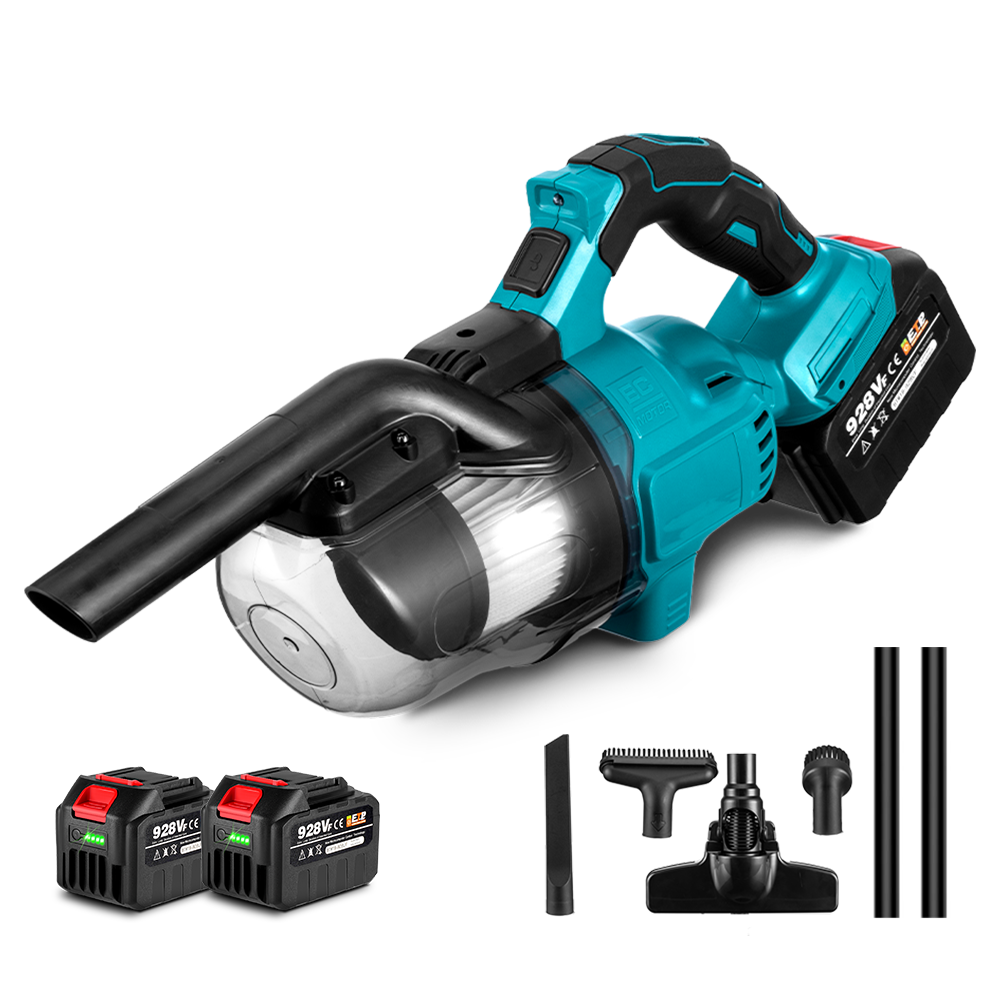
If you are looking for that balance of power and precision, abrushless cordless vacuum cleaner is an excellent choice. The brushless motor provides consistent suction without the excessive heat or vibration that can wear down wood finishes over time.
Efficient Dust and Particle Removal Capabilities
Your vacuum has to actually capture the dust, not just move it from the floor to the air. You require an efficient filtration system that effectively traps fine dust. You need a sealed system so the dust doesn't leak out of the joints and seams of the machine. And the dust bin or bag? It should be designed so that you don't create a giant dust cloud every time you empty it.
Efficiency also means the vacuum should handle all sizes of dirt. Some vacuums are great at picking up big crumbs, but they let the fine dust pass right through. Others are good with dust but clog on anything larger. However, the question is what is the best vacuum cleaner for hardwood floors? For hardwood, you need a machine that can handle the full range, from tiny pollen to the bits of food the kids dropped.
Design Features Supporting Hardwood Floor Cleaning
Design is also an important consideration. You need a low-profile head. Why? Because on hardwood, you can see every bit of dust, and you need to be able to get under the sofa and the beds where it hides.
Swivel steering is another important feature. It makes it so much easier to navigate around furniture legs without constantly bumping into them. Remember, every time you thump into a chair leg, you’re potentially damaging the furniture and the floor.
And don't forget edge cleaning. Debris loves to hide along the baseboards and in the corners. If your vacuum can't reach those spots effectively, you’re either leaving the dirt there or you’re having to go back with another tool. That’s just extra work—a chore you don't need. Select the design where the suction goes all the way to the edge of the head.
3. Different Vacuum Technologies and Their Compatibility with Hardwood Floors
Brush Roll Variations Explained
Bristle Brushes
Traditional bristle brushes—the ones you see spinning in most vacuums—work by agitating the dirt. On a carpet, that’s great. It digs the dirt out of the fibers. But on hardwood? It’s a problem. Stiff bristles can be abrasive. Stiff bristles create friction. If grit gets caught in those spinning bristles, you have essentially turned your vacuum into a power sander.
Soft Brush Rolls
Then you have soft brush rolls. These use materials like felt or microfiber. They are designed to touch the floor gently while still picking up debris. They are a middle ground—better than no brush, but much safer than the stiff ones. The only downside is they might not be as good on your carpets if you have a mix of flooring.
Brushless
A brushless vacuum cleaner is a good vacuum cleaner for hardwood floors. They feature brushless designs, meaning no spinning brushes. Brushless battery vacuum cleaners rely 100% on suction. For a house made entirely of hardwood, this is often the safest possible choice. However, be advised that they typically struggle on rugs or carpets.
You also have to think about vibration. A brush roll spinning at super high speeds creates vibration. That energy goes straight into your floor. If there's any dirt trapped, that vibration just grinds it in deeper. The best vacuums have an auto-shutoff feature.
When the machine senses it’s on a hard floor, it automatically stops the brush. Manual switches are fine too, but let’s be honest—most of us forget to flip the switch.
Suction Control and Height Adjustment Features
As I mentioned before, smart cleaning isn't just a marketing gimmick. Some vacuums have sensors that detect how much dirt is present and adjust the suction accordingly. It prevents unnecessary wear on the floor.
And then there’s height adjustment. This is very important. If the vacuum head is too low, the hard plastic edges might drag and scratch. If it's too high, you lose suction. The sweet spot is a tiny gap that allows air to flow but keeps the head close enough to grab the dust. Some vacuums let you do this manually, some are spring-loaded and do it themselves. Both are fine, as long as the design is solid.
Noise Reduction and Vibration Control
A loud vacuum can be bothersome. Usually, excessive noise indicates excessive vibration. And vibration means the vacuum is basically shaking your floor while it works.
A well-designed vacuum utilizes sound-dampening materials and balanced motors. It should feel smooth in your hand. If the handle is rattling and shaking, imagine what it’s doing to your expensive wood finish. You want smooth operation, not a machine that feels like it’s about to fall apart.
Specialized Attachments Enhancing Hardwood Floor Cleaning
Edge Brushes
Don't ignore the attachments! Edge brushes are great for getting into those tight corners without banging the main head against the wall. They usually have very soft bristles. You will not have to go back and sweep the corners by hand. The soft hair on the brush also stops the heavy vacuum from bumping and scratching your white baseboards.
Bristle Nozzles
Then you have the soft-bristle nozzles for the hose. These are perfect for cleaning floor vents or around the legs of fancy furniture. Since you can see every speck of dust on hardwood, these tools help you get that perfect clean. They are perfect for cleaning floor vents and around furniture legs. Since the bristles are soft, they pull dust out of tiny gaps without leaving any scratch marks on the wood.
Flat Mouthpieces
And finally, flat mouthpieces. These are wide and very thin, perfect for sliding under the fridge or the low cabinets. It saves you from having to move heavy furniture every time you clean, which—let's be honest—none of us want to do. You can clean under the fridge, the sofa, or low cabinets without having to move them. It saves your back from heavy lifting and stops you from scratching the floor by sliding furniture around.
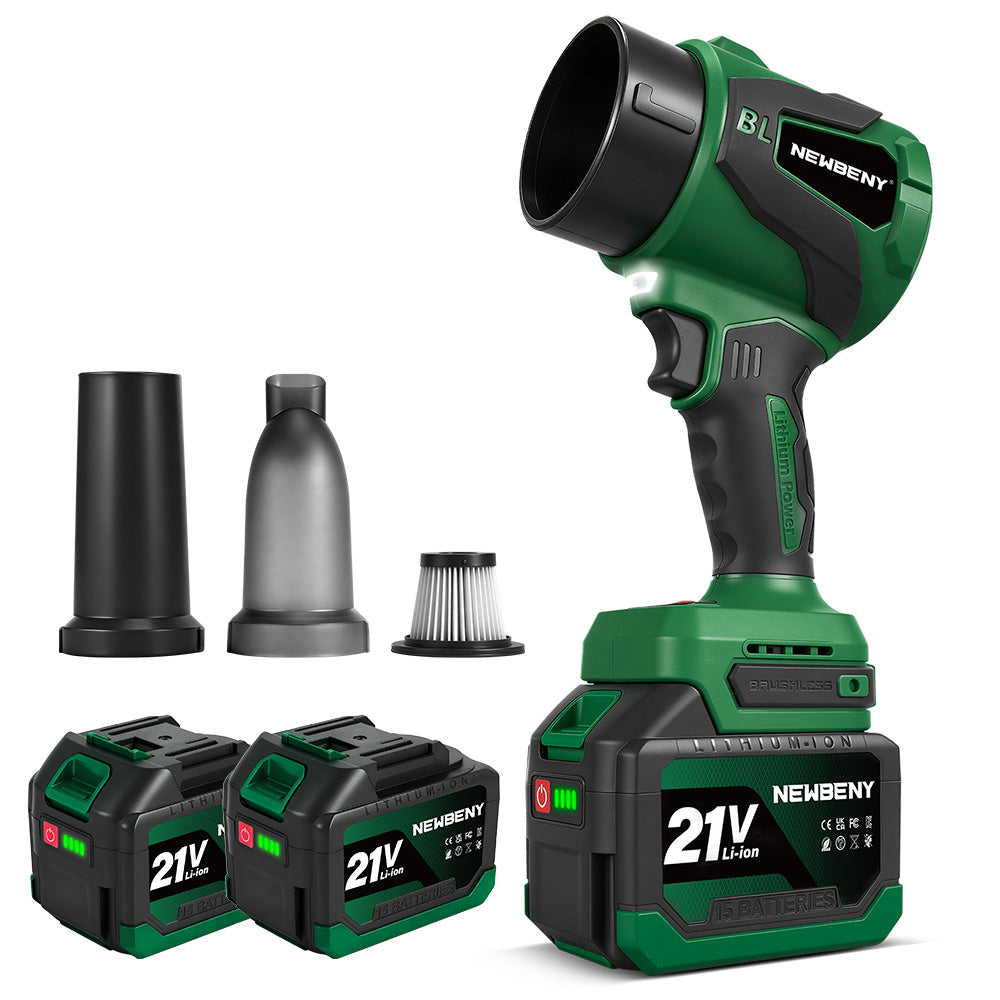
For floor vents and baseboard gaps, a compact tool such as the Newbeny 2-in-1 Cordless Air Duster & Vacuum is invaluable. For floor vents and baseboard gaps, a compact tool such as the 2-in-1 Cordless Air Duster & Vacuum is invaluable. It allows you to blow dust out of crevices before vacuuming, ensuring no abrasive grit is left behind in the wood grain.
4. Maintenance Tips for Maximizing the Life of Hardwood Floors and Vacuum Cleaner Efficiency
Regular Inspection and Cleaning of Vacuum Components
Even the best vacuum will fail if you don't maintain it. You must check the brush roll at least once a week. Hair, thread, and carpet fibers get wrapped around it. This results in a rough surface that can scratch your floors. You have to cut that hair off and keep the roll clean.
Also, empty the dustbin before it fills up. If the bin is stuffed, the suction drops. When suction drops, you end up pushing the vacuum back and forth over the same spot ten times. That’s ten times the friction! It’s inefficient and bad for the floor. And keep those filters clean! A clogged filter makes the motor work harder, leading to more heat and vibration.
Additionally, check the wheels. Sometimes a tiny piece of stone or grit gets stuck in the rubber of the wheel. If you don't see it, you’ll be dragging that stone across your floor like a diamond cutter. Just a quick check now and then can save you thousands in floor repairs.
Proper Vacuum Cleaner Storage and Use Guidelines
Where do you keep your vacuum? It should be in a dry place. Don't just toss it in a crowded cupboard where things will fall on it. If the vacuum head bends or the plastic cracks, it can cause scratches on your floor.
And when you are actually vacuuming. Please don't rush. I see people flying across the room like they’re in a race. Rushing makes the vacuum head bounce and drag. Use slow, steady, even strokes. It gives the machine time to actually suck up the dirt. It’s more efficient, and it’s much gentler on the wood.
Also, if you see a big piece of debris—like a coin, a stone, or a big twig—don't try to vacuum it up. Just pick it up with your hand. It takes two seconds. If that object gets caught in the suction path or the brush, it can scratch the floor or break the internal parts of your machine.
5. Conclusion
So, what have we learned? Choosing a vacuum for hardwood floors is not about buying the most expensive one or the one with the most flashing lights. It’s about being rational. You need a tool that matches the reality of your home.
You require gentle contact with the floor. You need controlled suction. You need a design that actually reaches the corners.
At the end of the day, long-term care and scientific usage go hand in hand. The most expensive vacuum in the world won't save your floors if you are careless with it or if you never clean the filters. But if you pick the right tool and you put in the legwork—meaning you use it properly and maintain it—your floors will stay beautiful.
Your hardwood floors should last for decades. They are a legacy for your home. The vacuum you choose today will either help them last or slowly destroy them. So make the choice deliberately. Pay attention to the details that matter. Because when it comes to your home, the details are the only things that actually matter.
6. FAQ
How Often Should Hardwood Floors Be Vacuumed?
Generally, two to three times a week is enough. But if you have kids or pets, or if people are coming and going all day, you might need to do it daily. The main thing is consistency. Don't let the grit build up.
What is the best vacuum cleaner for pet hair?
You need strong suction and a tangle-free brush design. But for hardwood, you must make sure that pet-hair vacuum also has soft wheels and a way to turn the brush off, otherwise you’re trading hair for scratches.
For homes with heavy shedding or high traffic, the Newbeny 10L Cordless Wet/Dry Vacuum offers the capacity needed for large cleanups. Its swivel-wheel design ensures it glides smoothly across the floor rather than dragging, protecting your investment while you clean.
What is the best vacuum cleaner for carpet?
Carpets need aggression. It needs stiff bristles and high speed to dig out the dirt. This is the exact opposite of what hardwood needs. So if you have both, look for a vacuum that has a mode switch so you can change the behavior of the machine.
What is the best vacuum cleaner for dog hair?
It’s the same as pet hair, but usually in higher volumes! You need a bigger dustbin and very good filters to capture the dander and the smell. Again, make sure the floor head is hardwood-safe.