You’d be surprised — one Golden Retriever can shed enough hair in a year to fill a whole beanbag chair. Many homeowners just like me used to think that the hair remains on top of the carpet, but it actually doesn’t. Each strand has small hooks that catch the carpet fibers and hold tight. That’s why regular vacuums struggle to pull it out.
If you’ve got pets, you need something stronger — a real pet hair solution, not just a standard vacuum. And remember, the best one isn’t always the most expensive. People ask me about what the best-rated vacuum cleaner for pet hair is all the time, because pet hair never stops coming. You’ve got to clear it out quickly to keep your air clean and reduce allergy-related sneezing.
Pet hair is a nightmare for a standard motor because it is long, challenging, and highly static-prone. What is the best vacuum cleaner for pet hair? It usually comes down to how well the machine handles the clump factor without dying. In this guide, I will teach you exactly how to pick the best one.
1. Understanding the Challenges of Vacuuming Pet Hair with a Vacuum Cleaner
Characteristics of Pet Hair: Texture, Clinging Properties, and Volume Variability
First, you need to understand that not all fur is created equal. Some dogs have hair like needles that poke into your sofa, while others have soft undercoats that turn into giant tumbleweeds. Initially, you might think a vacuum only needs suction, but texture changes everything.
Smooth, short hairs from a Beagle are often more difficult to pick up than the long fluff from a Persian cat because they sew themselves into the fabric.
Then, you should think about how that hair tangles. I’ve found that long, coarse hair is the real vacuum killer because it wraps around the internal parts like a thick rope. This clinging property is why cheap machines fail. Possible answers are many, but usually, the hair wins the fight against a weak motor. The best vacuum cleaner for pet hair depends entirely on whether your pet has a needle coat or a tumbleweed coat.
How Pet Hair Interacts with Different Surfaces
Carpet fibers—they harbor pet hair in their depths. Annoying, yes. The floor appears clean to you, except: scuff your foot and witness a white fur cloud emerge. Hair begins on top at the onset. Walking on it? That pushes everything down. Motorized brushes dig deep, which is what you'll want for pet hair extraction from rugs. Best vacuum cleaner for this scenario?
Hardwood requires caution, though. On the other hand, Vacuums were originally designed for rugs. Now? Hard floor modes exist. Dark wood floors and heavy spinning brushes—this combination produces nasty scratches. Repairs can cost thousands potentially.
What is the best vacuum cleaner if you own hardwood floors? Generally, you should avoid tools lacking brush roll deactivation capability.
Upholstery presents a different challenge. Hair magnets, often. Why? Soft fabric combines with static electricity. What features should the best handheld vacuum cleaner have for removing pet hair from couches? Small tools with a punch—these can grab hair while avoiding fabric destruction. You will need this.
Common Issues: Tangling, Clogging, and Static Buildup
Hair loves to wrap around brush rolls. It’s a mechanical mess. To start, the vacuum works great, but after 5 minutes, the roll stops spinning. If the hair wraps too tightly, it can actually melt the plastic bearings in your vacuum. I’ve seen it happen, and it smells like burning rubber.
Filter clogging is a huge deal because dander and fine hair act like a brick wall. This kills your suction. What is a good vacuum cleaner for pet hair? It’s a machine that keeps hair from clogging the filter. If your vacuum loses power after just one room, your filter is likely choked with fine pet dust.
Then there is static. Do you know? Static electricity makes hair stick to the inside of the vacuum hose like glue. No way to know how much is stuck until the machine starts making a high-pitched whistling sound. This static is why you sometimes see hair hanging out of the bottom of the vacuum even after you've finished.
2. Essential Features of a Vacuum Cleaner for Pet Hair
Powerful and Consistent Suction
Strong suction is key — you should actually feel the vacuum trying to grab the carpet. If you’re dealing with stubborn pet hair, go for something around 15,000 to 20,000 Pa of suction power. That’s strong enough to lift a heavy coin off the floor. If it can’t lift that, it won’t pull pet hair out of a rug either.
Having adjustable suction is a big bonus. Use lower power for things like curtains or delicate fabric, and crank it up to full power when cleaning a pet bed. If you’re buying a budget vacuum for pet hair, make sure it has at least a high/low suction switch —it saves you from accidentally sucking up your rug.
Specialized Brush Rolls or Nozzles
Tangle-free brush rolls are worth every penny. These use special combs to cut the hair before it can wrap around the cylinder. What is the best stick vacuum cleaner for pet hair? One with an anti-wrap head will save your sanity. This feature eliminates the need for frequent manual hair removal. Rubber or silicone bristles are much better than old-fashioned nylon. Next, think about how a squeegee works on glass. Rubber creates friction, and friction grabs hair. It’s simple physics that works way better on pet messes.
Interchangeable brush heads are vital. In turn, you use the wide head for the floor and the narrow one for the car. The best way to do this is to keep your attachments in a bag so you actually use them.
Efficient Filtration Systems
HEPA filters are non-negotiable if you have allergies. They catch 99.97% of the tiny stuff you can't see, like pet dander. Note that you always want a sealed system. If air leaks out of the sides of the vacuum before it reaches the filter, you're just blowing allergens back into the room.
Bagless bins are easy to use, but they can be messy to empty. When you dump a bagless bin, a cloud of dander often flies up. What is the best upright vacuum cleaner for pet hair? Many professionals still prefer bagged models for this very reason. It keeps the gross stuff inside.
Design and Maneuverability
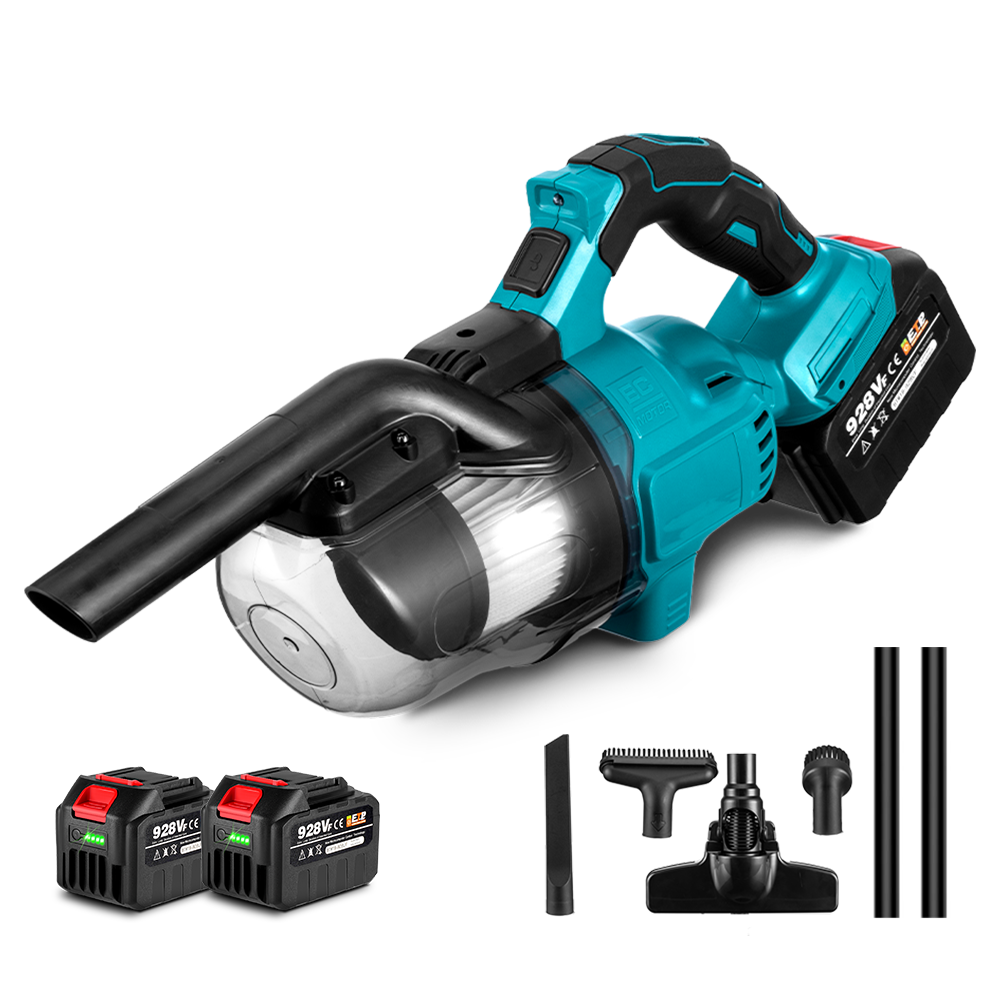
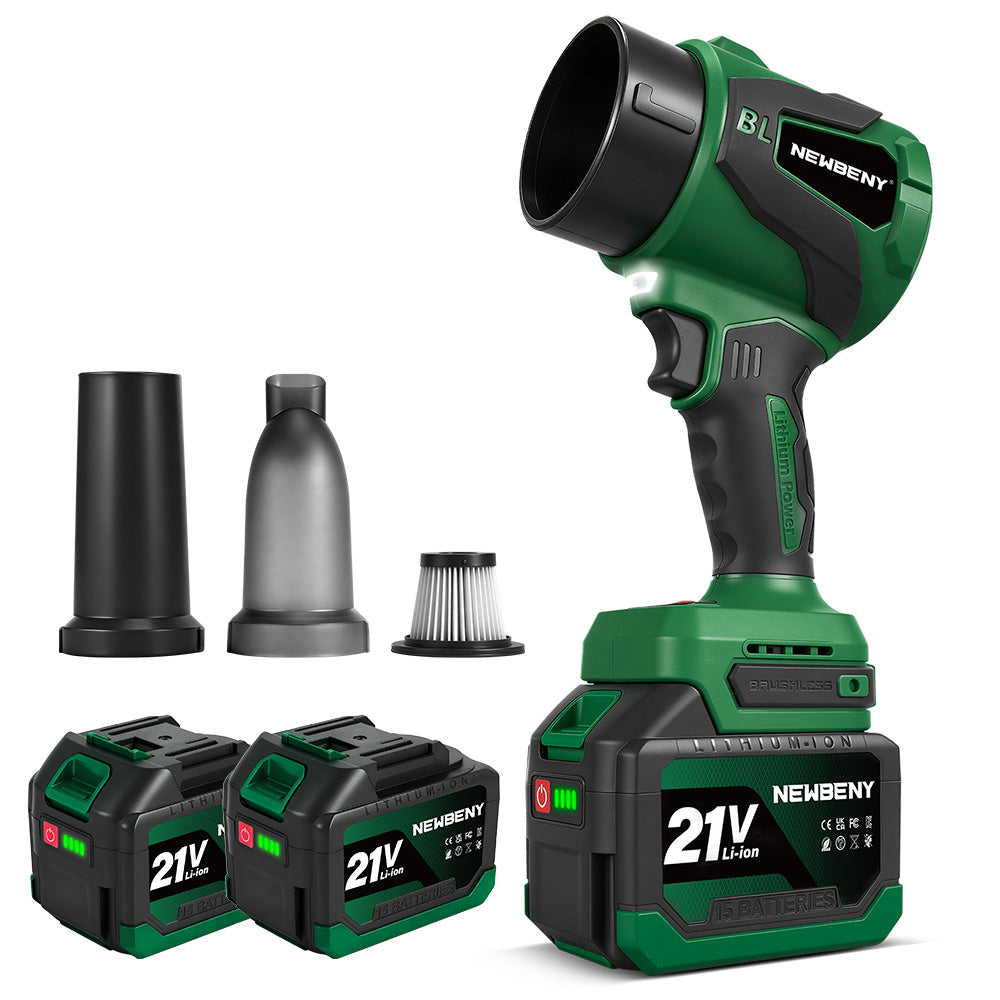
Lightweight models are great for stairs. If a machine is only 1kg or 1.5kg, you can fly through the house. What is the best lightweight vacuum cleaner for pet hair? Check NewBeny 1000W Cordless Handheld Vacuum Cleaner. You'll want something that doesn't hurt your wrist after ten minutes.
Swivel steering is a helpful addition. Then, it lets you dance around chair legs where hair likes to hide. After that, you'll realize how much hair you were missing with a stiff old vacuum.
Noise Level Considerations
Pets are often scared of loud noises. Consequently, if the vacuum sounds like a jet engine, your cat will live under the bed. What is the best vacuum cleaner for pet hair when considering a shy dog? Look for models that stay under 75 decibels.
Later, you'll find that quiet vacuums often have better motors. They use insulation to keep the sound down without losing suction. Soon, your pet might even stay in the room while you clean!
3. Vacuum Cleaner Technologies Enhancing Pet Hair Removal
Brushless Motor Benefits in Avoiding Hair Tangles
They are strong enough to extract dust and dirt. No power cord constraints. Subsequently, battery-powered operation eliminates disposable battery waste. Modern brushless motors use magnets instead. Starting off, this makes the vacuum much lighter—often around 1.5kg—while providing much higher torque.
Here's what the experts actually care about: a brushless motor can spin at over 100,000 RPM. This high speed is what generates the raw power needed to pull hair out of deep carpet. This can be a useful question to ask: Is this a brushless model? If it is, you are buying a machine that can handle daily pet hair without burning out or losing its oomph after six months. Moreover, because there is no friction, the battery on your cordless vacuum cleaner lasts much longer. NewBeny brushless vacuum cleaners give excellent suction across multiple surfaces, carpets, hardwood, upholstery, and electronics.
Cyclonic Suction Technology Maintaining Suction Power as Dust Fills Dustbins
This technology spins the air inside the bin like a high-speed tornado. It just means that the heavy hair and dander are thrown to the outside walls of the canister by centrifugal force. Next, the clean air stays in the middle and moves up through the filters. Consequently, the hair stays in the bin and doesn't clog the delicate mesh or the HEPA filter.
I’ve found that without a cyclone, a vacuum loses about 30% of its suction power when the bin is half full. Furthermore, cyclonic tech keeps your suction at 100% until the very last second. Moreover, it saves you a ton of money on filters because they don't get caked in dust. Finally, make sure to look for multi-cyclonic designs if you have a high-shedding dog like a Husky, as they manage massive amounts of fur even better.
Automatic Brush Roll Shut-Off to Protect Sensitive Surfaces Like Hardwood Floors
Protecting your floors is just as important as cleaning them. Generally, vacuums had one setting: on. But on hardwood or laminate, a spinning brush can act like sandpaper. So, aside from the cleaning power, you need to think about safety for your expensive floors. Another reason to do this is scatter. If you leave the brush on, the spinning bristles may fling hair across the room before suction can capture it.
Then, select a vacuum that allows you to deactivate the brush using a button or a smart sensor. In terms of efficiency, suction-only cleaning is the best option for hard surfaces. This ensures that hair is directed straight into the tube without obstruction. You’d think all that extra scrubbing helps, but it actually just creates more work for you. Wait until then to turn the brush back on when you hit a rug or a carpeted room.
Static Reduction Technologies to Minimize Hair Sticking
Also, search for anti-static strips on the bottom of the vacuum head. In addition, some high-end vacuums use carbon-fiber filaments in the brush roll to dissipate static electricity. Now, all of this stated, static is the reason hair clings to your floor and refuses to move. At the outset, the vacuum neutralizes the charge, causing the hair to jump off the floor and into the suction stream.
As with almost every other tech, this makes the vacuum last longer because hair doesn't get stuck in the machine's vents or hoses. It just means when you go to empty the bin, the hair actually falls out. Because the last thing you want to do is reach your hand into a dirty vacuum to pull out a stuck hairball. You will need this technology if you live in a dry climate where static is a constant problem. Note that you want to maintain a smooth airflow at all times to keep the fur moving.
4. Maintenance Tips for Vacuum Cleaners Used on Pet Hair
Regular Cleaning of Brush Rolls to Prevent Hair Clogs
First, you need to realize that a vacuum is like a car; if you don't change the oil, it dies. With pet hair, the oil change is cleaning the brush roll. Even with tangle-free claims, hair can still clog the edges over time. I make it a habit to inspect my vacuum once a week. Same as always, I find something I need to pull out.
Cleaning Filters to Sustain Proper Airflow
A bad smell from your vacuum typically indicates that the filter is clogged with dust. Take the filter out and clean it thoroughly with cool water. After washing, allow it to dry completely for at least 24 hours before reinserting it. If you reinstate it while it is still wet, it may lead to mold growth inside the vacuum. Once you have washed the same filter a few times, it will eventually get too old, and you'll need to buy a brand new one.
Frequent Emptying of Dust Bins to Avoid Performance Drops
Do not panic if your vacuum abruptly stops collecting dirt. It frequently occurs. Usually, a little object, such as a dog treat or a rock, gets lodged in the hose. Dust and hair then begin to wrap around it, obstructing the airflow. What then can we do? You'll shine a flashlight through the hose. You have a blockage if you are unable to see the light on the other side. Your vacuum should resume operating normally when you have cleared it out. For something as basic, there's no need to go to a repair shop.
Checking and Maintaining Vacuum Seals and Hoses
First, check cracks or holes in the rubber hoses while the engine is off. Next, listen to the hissing sound, which sounds like a tiny snake and means air is escaping. You will gently wiggle the hoses to make sure they are pushed on tight and haven't wiggled loose. If a hose feels very hard, like a dry leaf, it is old and needs to be replaced. Keeping these seals tight helps the machine to breathe properly so it can run smoothly without any hiccups.
Maintaining Battery Health for Cordless Vacuum Cleaners
A battery vacuum cleaner needs to be well-maintained. For example, it does not perform well in extreme temperatures, so avoid leaving it in a hot closet or a cold garage. The temperature you give them, i.e., not too hot or too cool, also influences battery efficiency. Keep your machine in the kitchen closet to increase its life. The battery will become too hot or too cold, and you will not be able to start the vacuum.
Lubricating Moving Parts and Inspecting Wear and Tear
After that, you should lubricate the moving parts. A tiny drop of oil on the wheel axles keeps the vacuum from squeaking. Later, check the rubber seals. It just means making sure the air stays where it belongs. You can then use a damp cloth to wipe down the inside of the bin to keep the static low. Ensure that the motor remains dry during cleaning.
Proper Storage to Avoid Damage and Maximize Longevity
Finally, storage is everything. Starting off, don't just shove it in a pile. Consider using a wall mount for storing the vacuum. Previously, I leaned mine against the wall, but it fell and cracked the bin. Next, make sure the cord (if it has one) isn't wrapped too tightly, or the wires inside will break. Eventually, a well-kept vacuum can last 10 years instead of 2.
5. Common Mistakes to Avoid When Using a Vacuum Cleaner for Pet Hair
Using Vacuums Without Proper Brush Designs
While strong suction is important, small mistakes can compromise effectiveness. First, of course, is using the wrong brush. Using a carpet tool on wood simply scatters the hair. Second, people neglect the brush roll. If the brush doesn't spin, the vacuum is just a loud straw. Lastly, do not overlook the corners. Hair loves to hide where the floor meets the wall.
Neglecting Regular Filter and Brush Maintenance
How often do you vacuum? If you only clean a spot once, you may leave behind a significant amount of hair. Furthermore, repeated vacuuming improves hair pick-up, especially with embedded fur. You should go forward, backward, and then side to side. Because the last thing you want to do is leave a layer of dander for your kids to crawl on.
Overlooking Surface-Specific Settings
Moreover, ignoring the manual is a big mistake. Further, you might miss a hidden filter. Most modern vacuums are equipped with two filters: one located before the motor and another after. In addition, using incorrect attachments is ineffective and inefficient. It’s possible, but it’s a waste of time. You prefer a clean home, so use the crevice tool for the baseboards!
Vacuuming Only Once
You would rather spend 20 minutes doing it right than 60 minutes doing it wrong. So, aside from the obvious, check your warranty. Wait until then to take it apart yourself. Sure, it looks easy on YouTube, but you might break a clip. Anyway, just stick to the basic cleaning the maker recommends.
Ignoring Manufacturer Guidelines and Warranty Conditions
Many owners think that their machines can handle any volume of fur, but you should always check the manual for the given limits. Using a standard household vacuum in a professional grooming space may void your warranty.
Manufacturers often tell how often you must wash or replace filters when pets are in the home. You must follow these schedules. Pet dander is oily and can clog a HEPA filter faster than normal debris. This restricts airflow and forces the engine to work twice as hard.
Using Incorrect Attachments or Skipping Specialized Tools
Many people make the mistake of using a standard floor head on a high-pile rug covered in dog hair. This often just pushes the hair deeper into the fibers rather than lifting it.
If you skip specialized tools like the mini-motorized head for stairs and upholstery, you will likely leave behind embedded dander. Standard suction wands lack the mechanical agitation needed to pull hooked hairs out of fabric. You should use a rubberized pet hair tool. The rubber creates friction that bunches the hair into easy-to-grab clumps. You should generally avoid using the same floor attachment for your couch that you use for your kitchen tiles.
6. Conclusion
The best-rated vacuum cleaner for pet hair is the one you actually maintain. First, of course, you need high suction and a HEPA filter. Then, you need a lightweight design, like the NewBeny 1500W Cordless Handheld Vacuum Cleaner, to make the job easier. Finally, make sure to stay on top of the maintenance. Pets are great, but their hair is a full-time job. Get the right tool, and that job gets a whole lot easier. You should be able to enjoy your pets without the mess!
7. FAQs
Can regular vacuums handle pet hair effectively?
Not so great. Regular vacuums often lack the specialized brushes needed to lift hair and frequently suffer from clogs and tangles. Same as always, the hair wins against a standard machine.
What suction power is needed for tough pet hair cleaning?
You should be able to reach 15,000 Pa for basic cleaning, but 20,000 Pa is best for thick carpets.
Are cordless vacuums good for pet hair?
Sure, they are excellent for quick cleanups and stairs. Just check the run time. NewBeny Brushless 2-in-1 Cordless Turbo Blower & Vacuum Cleaner gives you 20-30 minutes, which is usually enough.
How often should I clean my vacuum when used for pet hair?
First, you need to empty the bin every time. Then, you should wash the filter once a month. Finally, make sure to check the brush roll every week.