To avoid damage and keep your chainsaw in an optimum condition, you must oil it regularly. Proper oiling protects the chain, bar, and other parts from any damage and wear. Without sufficient oil, your chainsaw can overheat and break down prematurely.
This guide will show you how to oil the chain, bar, and automatic oiler system. You will learn to identify lubrication issues and maintain various chainsaw types. These tips will help you keep any gas, electric, and cordless chainsaw running efficiently.
1. How to Oil a Chainsaw Chain
Your chainsaw chain requires constant lubrication during operation. The high-speed rotation creates friction that generates heat and wear. Proper chainsaw chain oiling significantly reduces friction and extends chainsaw chain life.
Modern chainsaws feature automatic oiler systems that continuously deliver oil. However, you may need to use a manual application for older models or in emergencies. Understanding both automatic and manual oiling methods ensures your chainsaw chain stays properly lubricated.
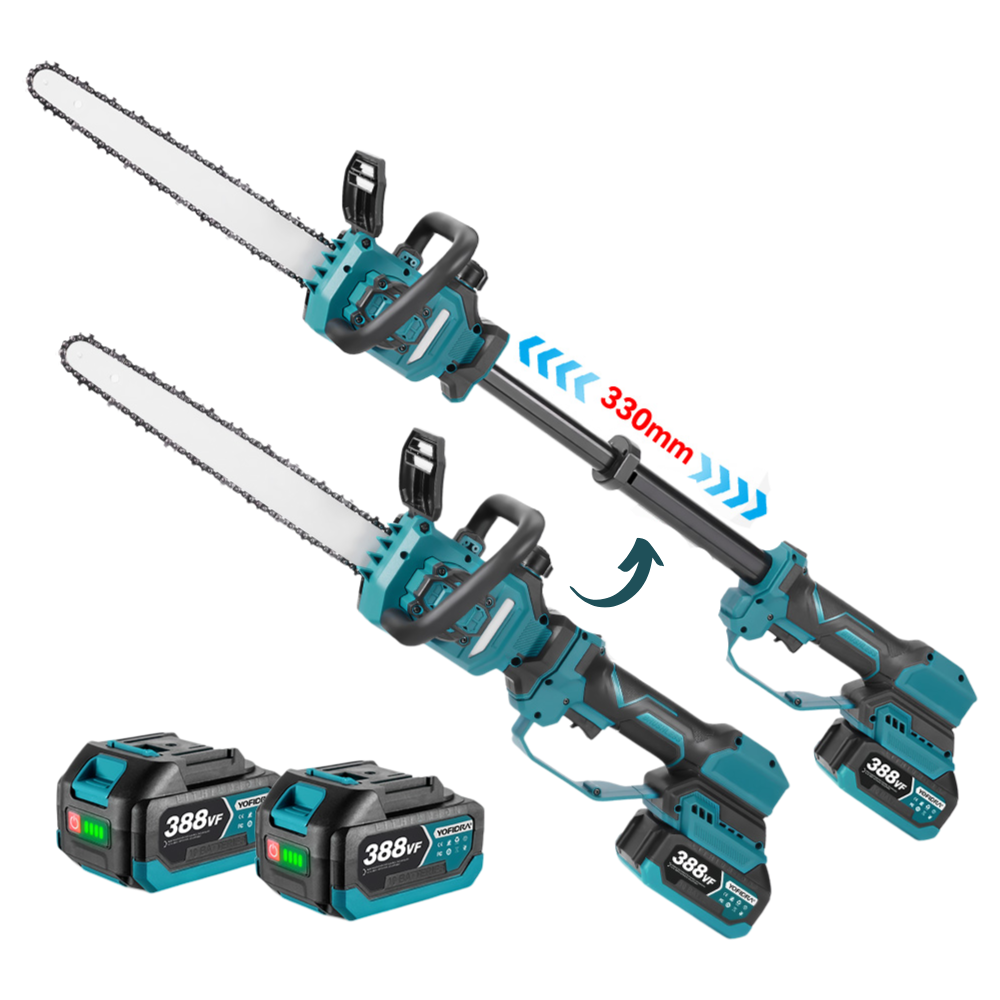
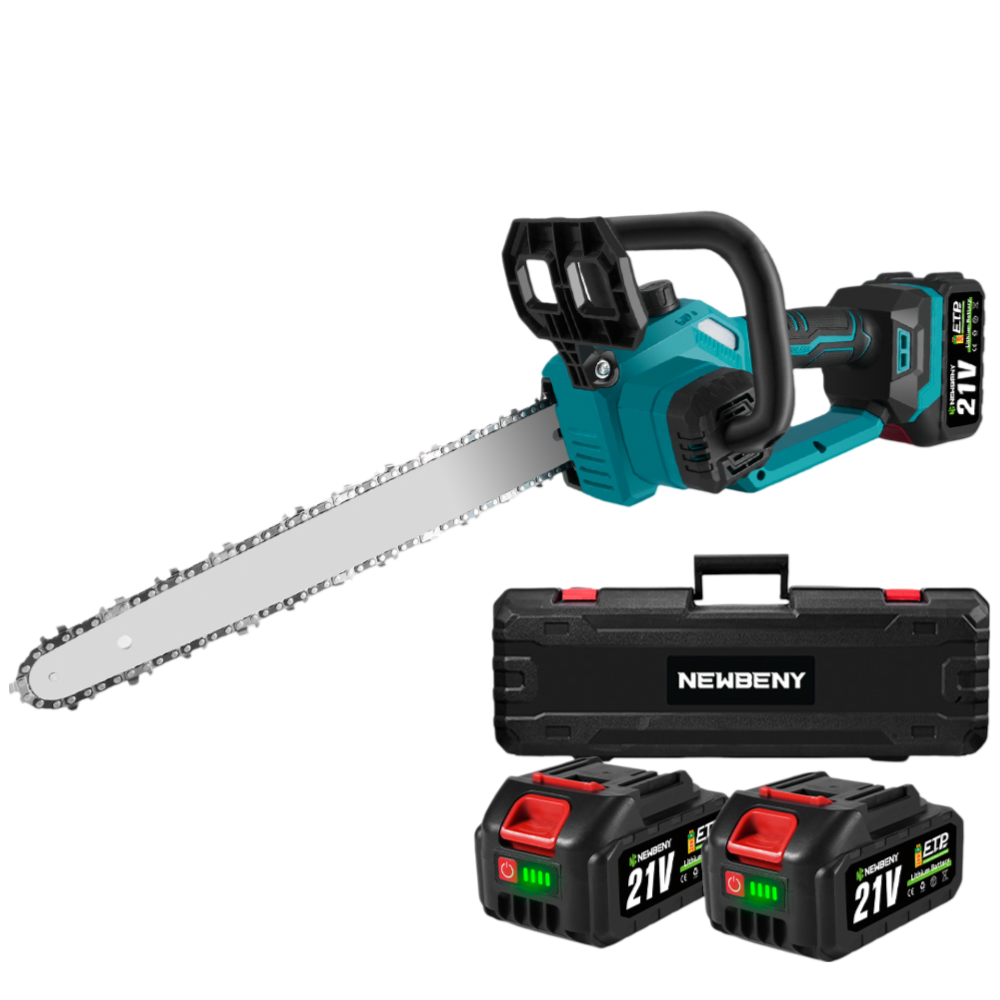
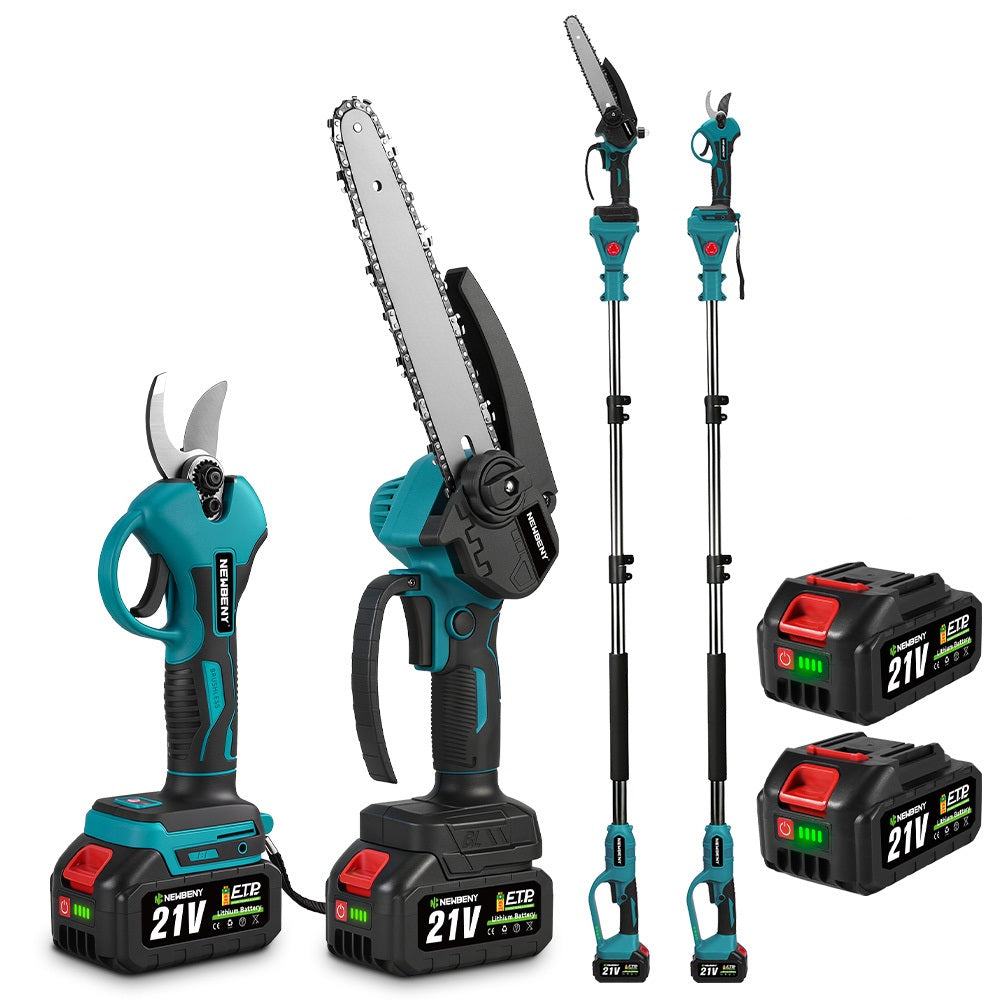
NewBeny 12 Inch Brushless Cordless Chainsaw has an advanced automatic oiling system.It carries a built-in lubrication system, which reduces friction and extends the chainsaw’s lifespan.
Signs of Insufficient Chain Oil
It is important to know the signs of poor chainsaw chain lubrication. These signs help you catch problems early. A poorly oiled chainsaw chain can cause damage to your chainsaw. It can also be a safety risk.
Visible Signs of Trouble
You can spot poor lubrication with your eyes. A dry chainsaw chain gets too hot. It can create sparks while you cut. The chainsaw chain will also look dull and might get stuck in the wood. Blue marks on the bar and chainsaw chain indicate excessive heat buildup. This is a sign of a bad lubrication failure.
Audible Warnings
Listen for unusual noises. Grinding or squealing sounds from the chainsaw chain area mean metal is rubbing on metal without oil. These noises are a clear sign of a problem. They tell you that your chainsaw chain is not getting enough oil.
Performance Issues
Poor lubrication affects how your chainsaw works. You will notice that the chainsaw requires more effort to cut through wood.
It might also have more kickback. A healthy chainsaw will throw small amounts of oil as it cuts. If you see no oil splatter on your work area, your oiler system is not working properly.
How to Choose the Right Chainsaw Chain Oils
Using the right oil plays a decisive role in keeping your chainsaw in good shape. It ensures proper lubrication. Furthermore, it protects your chainsaw from damage and makes it last longer.
Use the Right Kind of Oil
For the best results, use a special chainsaw bar and chain oil. This oil has additives that fight heat. They also contain tackifiers. These help the oil stick to moving parts. You can get different oil weights. Shifting to summer oils is meant for warm weather. Winter oils are for cold temperatures.
Avoid Motor Oil
Do not use regular motor oil instead of chainsaw oil. Motor oil lacks the special additives your chainsaw needs. It will fling off the chainsaw chain quickly. This will not protect your chainsaw well enough.
Consider Biodegradable Options
You can also choose biodegradable chainsaw oils. These oils break down on their own. They are better for the environment. They might cost a little more than other types of oil. But they are a good choice for sensitive areas.
Check Your Manual
Check your owner's manual for the right oil to use. Some brands recommend certain oils for their chainsaws. Using the right oil can help you keep your warranty.
How to Apply Oil to the Chain
Step 1: Preparation and Safety
Stop the engine and let the chainsaw cool down. Do not try to oil a moving chainsaw. This is a manual process.
Step 2: Inspection and Cleaning
Take off the bar cover. Inspect the chainsaw chain for damage or wear. Clean any debris from the bar rails and chainsaw chain links. This helps the oil spread and keeps it clean.
Step 3: Manual Oiling
Put a small amount of chainsaw oil directly on the chain links. Use a small brush to spread the oil evenly over the whole chainsaw chain. Focus on the drive links and cutting surfaces.
Step 4: Distributing Oil Evenly Across the Chansaw Chain
Move the chainsaw chain by hand to spread the oil. This ensures that all parts are covered and helps you identify any issues. The chainsaw chain should move without sticking.
Step 5: Automatic Oiling Systems
These systems deliver oil while you work. The oil flow is controlled by engine speed or throttle position. Higher speeds mean more oil.
Step 6: Adjusting Flow Rate
You can often change the oil flow rate. Adjust it for large jobs and lower it for smaller ones. This saves oil and keeps the chainsaw chain lubricated.
2. How to Oil the Chainsaw Bar?
Your chainsaw bar needs regular lubrication to prevent wear and overheating. The bar rails guide the chainsaw chain and experience significant friction during operation. Proper bar lubrication extends service life and maintains cutting accuracy.
Bar lubrication depends on the automatic oiler system and manual maintenance. You should inspect and clean the bar regularly to ensure proper oil flow. Blocked oil ports prevent adequate lubrication, causing premature wear.
Understanding the Chainsaw Bar
There are a few parts on a chainsaw bar that need oil. A problem with any of them can stop the bar from working right. Keeping these parts clean and oiled is key.
Bar Rails and Groove
The bar rails guide the chainsaw chain. They need to be smooth and oiled. If the bar rails are worn, the chainsaw chain can get stuck. The bar groove houses the chainsaw chain's drive links, and it influences lubrication action. It also helps spread the oil. A dirty or damaged groove affects how the oil gets to the chainsaw chain. This can mess up how the whole chainsaw works.
Sprocket Nose
Some chainsaw bars have a sprocket nose at the tip. This part helps the chainsaw chain turn smoothly. It often has a special fitting for grease. You need to grease it regularly. This helps it work properly. It keeps the chainsaw chain moving smoothly around the tip.
Bar Oil Ports
The bar oil ports are small holes. They move oil from the chainsaw to the bar. These holes must stay clear. If they get blocked, oil cannot get to where it needs to go. This can cause a lack of lubrication.
How to Lubricate the Chainsaw Bar
Step 1: Bar Removal and Cleaning
Take the bar off the chainsaw body. This gives you full access to all areas that require lubrication. Ensure the bar is thoroughly clean before applying new lubricant.
Step 2: Inspecting Oil Ports
Look at the oil ports on the bar. Check for clogs or damage. Use compressed air or a thin wire to clear any debris. Blocked ports prevent oil from reaching the chainsaw chain and bar.
Step 3: Lubricating the Bar
Apply chainsaw oil directly to the bar rails and the groove. Use a small brush to spread the oil evenly over the whole length of the bar. Ensure oil reaches all friction points.
Step 4: Greasing the Sprocket Nose
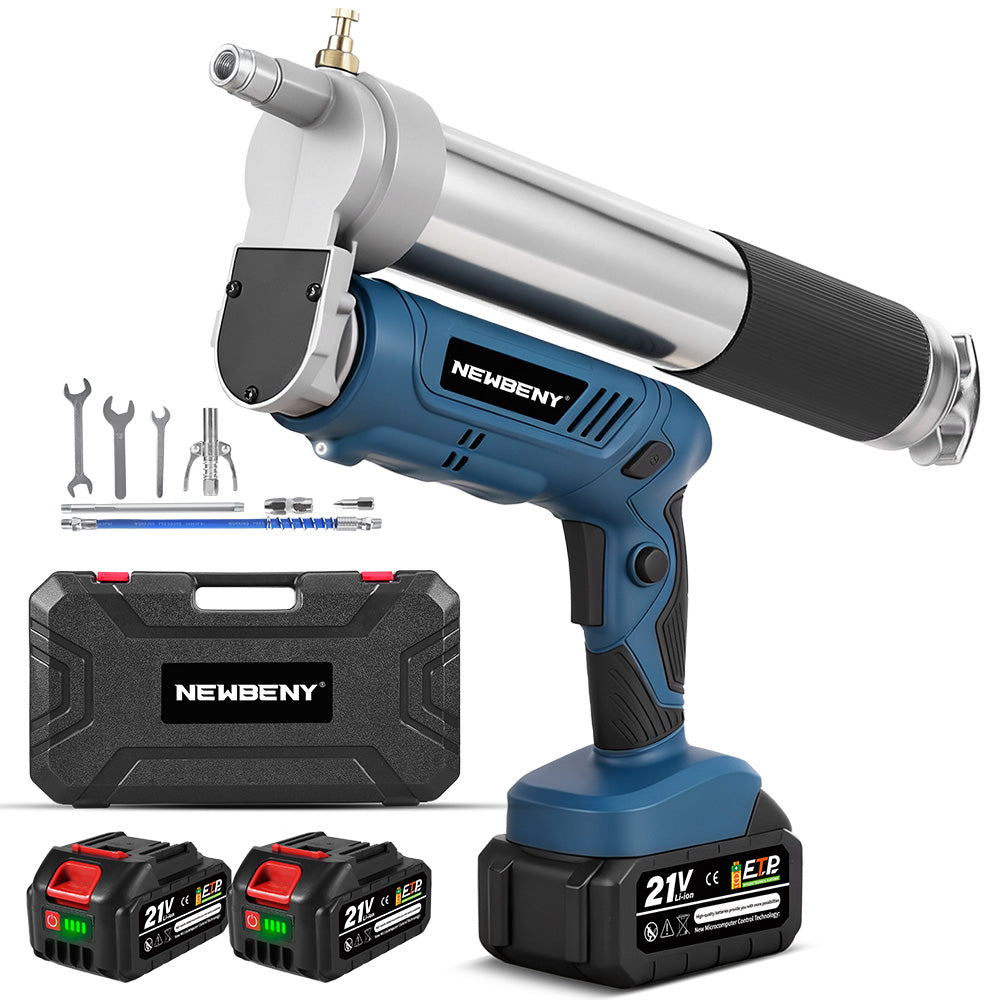
For bars with grease fittings, use a grease gun to put new grease into the sprocket nose bearing. Use the correct grease as per the manual. This prevents bearing failure and ensures smooth operation.
Step 5: Reassembly and Final Checks
Clean the area where the bar mounts to the chainsaw. Remove any old oil or debris. Verify that the oil delivery system is properly aligned before reattaching the bar.
Common Issues with Bar Lubrication
Poor oil Flow
The most common lubrication problems for bars are related to poor oil flow. Check the oil reservoir level and add more oil if necessary, using the proper chainsaw oil. Low oil levels do not provide sufficient lubrication, which can cause overheating.
Blocked Oil Passages
Oil passages are blocked, preventing oil from travelling to the chainsaw bar and chain. Oil ports and delivery channels should be cleaned regularly to ensure proper flow. Use compressed air to safely remove stubborn blockages.
Damaged Oil Pumps
Worn or damaged oil pumps significantly reduce lubrication effectiveness. These pumps deliver oil from the reservoir to the chainsaw bar and chain. Pump failure necessitates professional repair or replacement to ensure proper operation.
Incorrect oil viscosity
Incorrect oil viscosity can cause lubrication problems in extreme temperatures. Thick oil may not flow properly in cold weather. Thin oil provides inadequate protection in hot conditions and heavy cutting.
3. How to Refill and Use the Chainsaw Oiler System
Your chainsaw's automatic oiler system requires regular maintenance and the use of the correct oil. This system delivers continuous lubrication during operation without manual intervention. Understanding how it works helps you maintain optimal performance.
The oil system consists of an oil reservoir, a pump, and delivery lines. Engine operation drives the pump that sends oil to the chainsaw bar and chain. Proper system maintenance ensures reliable lubrication for all cutting operations.
Understanding the Oiler System
Automatic Oiler System
Automatic oiler systems use engine-driven pumps to deliver oil continuously during operation. The pump connects to the engine crankshaft through gears or drive mechanisms. Higher engine RPMs automatically increase oil delivery.
Fixed Oiler System
Fixed oilers deliver a preset amount of oil based on engine speed. These systems work well for general cutting applications but lack the capability for adjustment. You cannot change oil flow rates for different cutting conditions.
Adjustable Oiler System
Adjustable oilers allow you to control oil flow rates for various cutting situations. A simple adjustment screw regulates the pump's output from a minimum to a maximum flow. This feature helps optimize oil consumption and lubrication.
Some chainsaws today come with oil level indicators and warning systems. These features warn you when the oil level gets dangerously low. Early warning helps you avoid damage caused by poor lubrication.
The oil delivery system consists of small tubes and ports that deliver oil to critical areas. These parts should be clean so that oil can flow properly. Regular cleaning to avoid blockages, keeping things well lubricated
Step by Step Guide to Refilling the Oiler
Step 1: Locating the Reservoir
Find the oil reservoir cap on your chainsaw. It often has an oil can icon. The reservoir is usually near the rear handle. Clean around the cap before removing it to prevent dirt from entering.
Step 2: Checking the Cap
Take off the oil cap. Look at the seal. A bad seal allows air to enter, which can disrupt the oil flow. Replace it if it's damaged to maintain system pressure.
Step 3: Checking the Oil Level
Look at the current oil level. Use the opening and a sight window. Most chainsaws have lines for minimum and maximum levels. Never run the chainsaw if the oil is below the minimum line.
Step 4: Filling with New Oil
Choose the right chainsaw bar and chain oil. Pour it slowly to avoid spills and air bubbles. Fill it to the max line, but don't overfill it.
Step 5: Final Cleanup
Clean up any oil that spilled on the outside of the chainsaw. Spilled oil can attract dirt that can harm parts. Cleaning up keeps your chainsaw looking and working well.
Step 6: Securing the Cap
Replace the oil cap tightly. Make sure it's sealed correctly. A loose cap will let air in and stop oil from flowing. The cap should fit securely.
Troubleshooting the Oiler System
No Oil Delivery
No oil delivery indicates a complete system failure requiring immediate attention. Check the oil level first, then inspect for blocked delivery ports. Clean all oil passages and refill the reservoir with fresh oil.
Insufficient Oil Flow
Insufficient oil flow can be caused by partially blocked passages and pump problems. Adjust the oil flow rate if your chainsaw has this feature. Clean the oil ports and look for kinked or damaged delivery lines.
Excessive Oil Consumption
Excessive oil consumption indicates over-adjustment or damage to the system, which requires professional attention. Check the flow adjustment setting and reduce it if it is set too high. Check for damaged seals and pump components.
Oil Leakage
Leakage of oil from the reservoir is an indication of damaged seals and loose connections. Check the cap seal and replace it if necessary. Inspect delivery lines for cracks or loose connections that leak oil. Intermittent oil flow indicates that air is present in the system or that passages are partially blocked. Remove the chainsaw bar and chain and start the engine for a short time to purge air bubbles. Clean out all oil delivery points and fill the reservoir.
4. How Often to Oil a Chainsaw
Your chainsaw will have different lubrication schedules depending on how and where it is used. "Frequent use of heavy duty cutting also requires more frequent oil checking than occasional light use." A regular maintenance schedule prevents damage caused by insufficient lubrication.
Most chainsaw manufacturers advise checking oil levels before every use. This simple step prevents working without adequate lubrication, which can lead to component damage. These checks also help in detecting system problems at an early stage.
Factors Affecting Oil Frequency
How much oil your chainsaw uses depends on many things. Knowing these can help you keep your saw working right.
The type of wood and the duration of cutting both matter. Hardwoods need more oil. Long cutting sessions need more frequent oil checks. The weather also plays a significant role in oil consumption.
Hot weather can increase oil use. Cold weather can slow oil flow. How sharp your chainsaw chain is also a big deal. A dull chainsaw chain uses more oil because it requires additional friction to cut through material. A sharp chainsaw chain not only cuts better but also uses less oil compared to a dull chain.
How Your Saw's Use Changes Oil Needs
The speed of your engine and how hard you cut also change oil use. High RPMs increase oil flow and consumption. Aggressive cutting uses more oil, too. You must regularly check your oil levels. Especially when you are doing longer or tougher jobs.
Signs That It's Time to Oil Your Chainsaw
Your chainsaw will give you signs when it needs more oil. Knowing these signs is a must. They help you stop damage before it happens.
Visual Signs
Always check the oil level before you start cutting. Look through the sight window on the oil reservoir to check the oil level. A low level means you need to add more oil right away. Also, watch for oil splatter while you work. Your chainsaw should throw tiny drops of oil. If you do not see this, there might be a problem. After you finish cutting, look at the chainsaw chain and bar. Blue marks or too much wear mean there was not enough oil.
Performance and Sound
Listen for changes in operating sound, which may indicate lubrication issues. Unusual noises or abrupt increases in cutting effort may indicate insufficient oil. If your chainsaw starts acting weird, stop right away and check the oil level. After you finish a job, feel the chainsaw bar and chain. If they are too hot, this is a clear sign of poor oiling.
Seasonal Oil Maintenance Tips
Taking care of your chainsaw's oil system is important, according to changes in the weather. So should your oil routine. This helps your saw last longer and work better all year.
Winter
Winter means cold. Cold weather makes oil thick, and it can slow the flow. Use winter-grade oil. Or warm up your chainsaw before you use it. Store your saw with a full oil tank. This stops air and moisture from getting in. It also keeps the pump's seals from drying out.
Spring
In the spring, check your oil system. After winter storage, the oil may have separated or absorbed moisture. Change the oil. Fresh oil gets your saw ready for the new cutting season.
Summer
Summer is hot. The heat and long use can make your saw use more oil. Check the oil level more often. Ensure that the engine and oil system have adequate airflow to prevent overheating. This stops them from getting too hot.
Fall
In the fall, get your saw ready for winter storage. Clean the oil system well. Get rid of old oil and any dirt. Then, add fresh oil. This ensures the protection of internal components during storage.
5. Conclusion
Proper chainsaw lubrication protects your investment and ensures safe, efficient operation. Regular oil maintenance prevents costly repairs and significantly extends equipment life. Following these guidelines keeps your chainsaw running smoothly for years of reliable service.
6. FAQs
Can I use regular motor oil instead of chainsaw oil?
You should not use regular motor oil as a substitute for chainsaw oil. Motor oil lacks the special tackifiers that help oil stick to fast-moving chainsaw chains. It also cannot withstand the extreme temperatures generated during chainsaw operation. Chainsaw oil contains additives specifically designed for high-speed chainsaw chain and bar lubrication. Using motor oil will lead to inadequate lubrication and premature wear on the chainsaw chain, bar, and oiler system.
Is it necessary to oil a chainsaw if I'm only using it for a short time?
Yes, you must oil your chainsaw even for short cutting sessions. The chainsaw chain and bar require lubrication from the moment you start cutting. Even a brief operation without proper oil can cause permanent damage to these components. Always check oil levels before starting your chainsaw, regardless of intended use duration. Neglecting proper lubrication can cause the chainsaw chain and bar to overheat within minutes.
What should I do if I accidentally overfill the chainsaw oil reservoir?
If you overfill the oil reservoir, remove excess oil immediately to prevent operational problems. Overfilling can cause oil to leak from vents, creating messy operating conditions. Use a small syringe or turkey baster to remove oil down to the maximum fill line. Clean any spilled oil from the chainsaw exterior before operation. Overfilled reservoirs can also lead to excessive oil consumption during use.
How can I tell if my oiler is working properly?
You can check the oiler function by observing oil splatter during cutting operations. A properly working oiler creates small oil droplets around the cutting area. Hold a piece of paper near the bar tip while revving the engine to see oil spray. You should also notice oil residue on the chainsaw bar and chain after operation. No oil evidence indicates oiler system problems requiring immediate attention.
Can I mix different brands of chainsaw oil?
It is best to avoid mixing different brands of chainsaw oil whenever possible. Other oils may have incompatible additives that reduce effectiveness when combined. If you must mix oils, ensure they share compatible viscosity ratings and properties. NewBeny 8 Inch Brushless Cordless Chainsaw works best with consistent oil types throughout its operation. Empty the reservoir before switching to a different oil brand.
What are the consequences of not oiling a chainsaw regularly?
Inadequate chainsaw lubrication can cause severe damage, requiring expensive repairs or replacement. The chainsaw chain will stretch excessively and prematurely wear out the bar rails. Overheating can warp the bar and damage the engine's oil pump system. You will experience increased kickback, poor cutting performance, and potential safety hazards. Regular oiling with quality chainsaw oil prevents these problems.