Do you know what causes chainsaw kickback? It won’t be wrong if we say you are going to learn about one of the most dangerous aspects of chainsaw operation. For instance, chainsaw kickback causes thousands of injuries every year. This statistic is supported by various studies, which indicate that there are approximately 28,000 chainsaw-related injuries reported annually.
However, understanding what causes chainsaw kickback can help you stay safe while working. These accidents happen to both beginners and experienced users. Nevertheless, most kickback injuries can be prevented with proper knowledge. When you ask, "What is chainsaw kickback?" or "How to prevent chainsaw kickback?", you are asking serious questions. These questions could save you from serious injury.
1. What is a Chainsaw Kickback?
Definition of Kickback
Chainsaw kickback is a sudden, violent movement of the chainsaw, often directed backward toward the operator, caused by the chain getting caught or pinched during cutting. This motion is extremely fast and often unexpected. Most operators cannot react quickly enough to control the saw when kickback occurs. The kickback motion typically moves the chainsaw in an arc toward the operator's head and upper body. Additionally, the speed of this motion can reach incredible velocity in milliseconds. Understanding what a chainsaw kickback is helps you recognize the serious nature of this hazard.
Mechanism of Kickback
When kickback occurs, the rotational energy transfers into linear motion. Consequently, the chainsaw gets thrown backward toward the operator. The guide bar acts like a lever, amplifying the force of this motion. The physics behind why chainsaws kickback involves energy transfer and momentum. The spinning chain carries significant kinetic energy. Once this energy cannot continue in its normal direction, it redirects violently. Therefore, kickback transforms rotational motion into dangerous linear movement.
2. Understanding Chainsaw Anatomy Related to Kickback

Components Overview
Several chainsaw parts directly affect kickback potential. The guide bar length influences the leverage during kickback events. A longer bar creates more leverage and a stronger kickback force. The chain type also plays a crucial role in kickback behavior. Moreover, the engine power affects how violently kickback occurs. The clutch system controls power transfer from the engine to the chain. When kickback happens, this system cannot stop the motion quickly enough. Similarly, the handle design affects how well you can control the saw during kickback. Each component works together to either increase or decrease kickback risk.
Chain Types
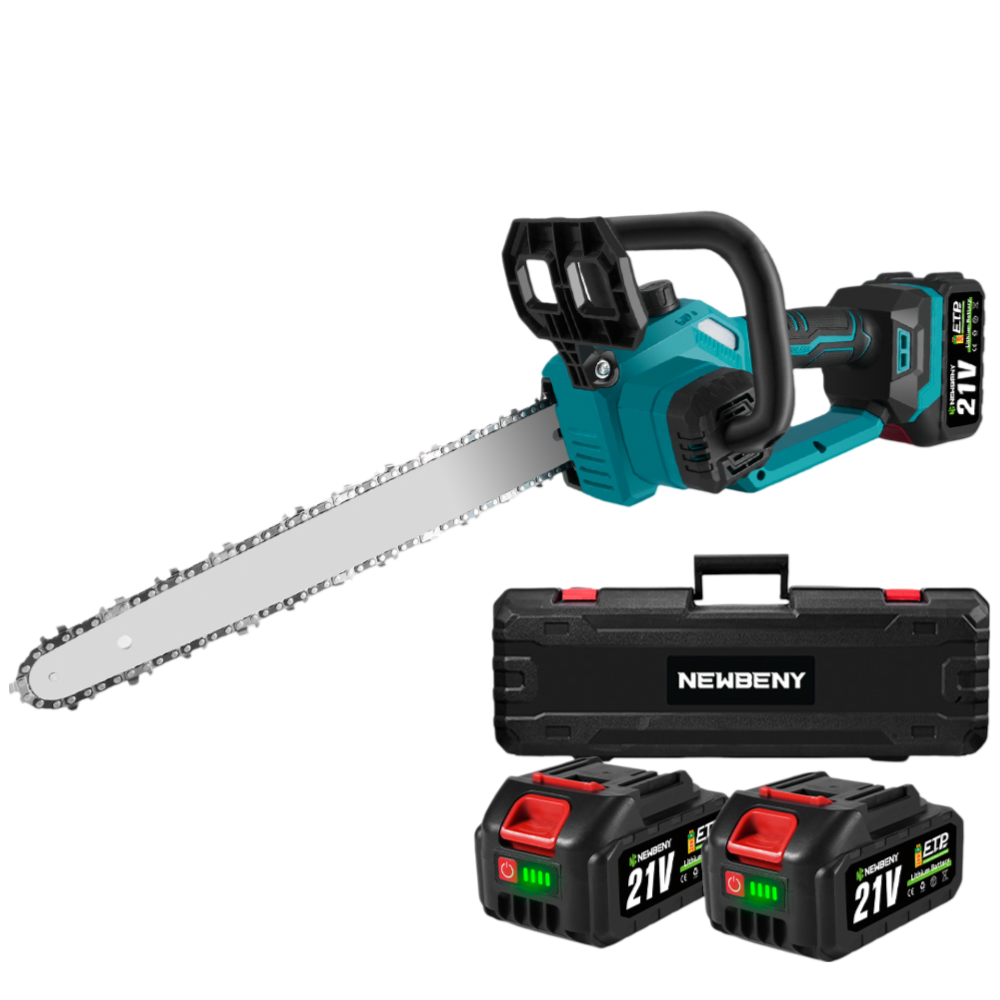
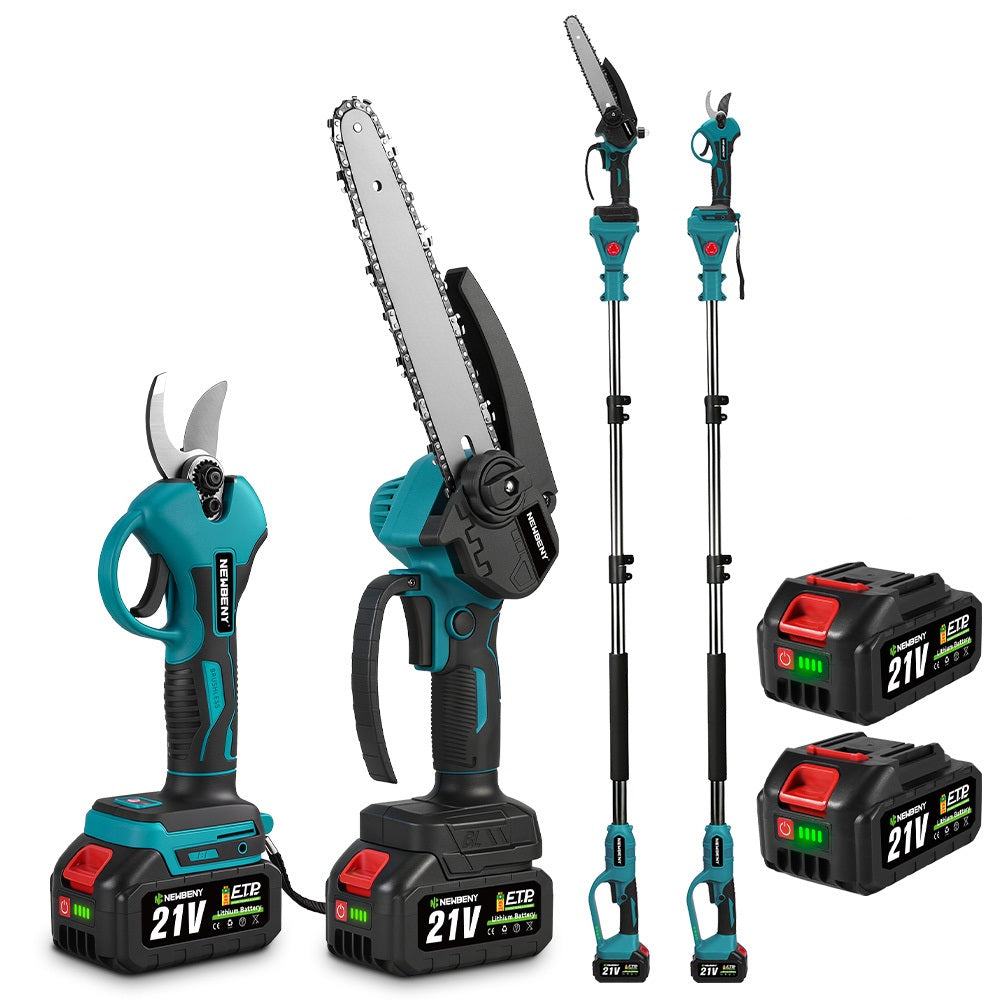
Low kickback chains have special design features that reduce kickback risk. These chains use deeper depth gauges and modified cutter shapes. The design helps prevent the aggressive grabbing that causes kickback. Standard chains typically cut faster than low kickback chains, but may have a higher potential for kickback. Therefore, choosing the right chain type is essential for safety. Low kickback chains are designed with specific features, such as deeper depth gauges and modified cutter shapes, which help limit aggressive biting and reduce the likelihood of kickback. They create smaller wood chips which in turn require more cutting passes. However, this trade-off significantly improves safety for most users. NewBeny 8 Inch & 6 Inch Brushless Cordless Chainsaw offers excellent low kickback chain options for safer operation.
Guide Bar Design
This smaller danger zone makes accidental contact less likely. Wide nose bars have larger danger zones and higher kickback risk. Additionally, the bar tip shape influences how easily kickback occurs. This smaller danger zone makes accidental contact less likely. Wide nose bars have larger danger zones and higher kickback risk. Additionally, the bar tip shape influences how easily kickback occurs. Some guide bars include specialized nose designs that further reduce kickback. These designs use smaller nose radius measurements for better safety. Thus, selecting the right guide bar becomes crucial for kickback prevention.
3. Causes of Chainsaw Kickback
The Kickback Danger Zone
What causes kickback on a chainsaw? The primary cause involves contact with the kickback danger zone. The kickback danger zone includes the upper portion of the guide bar nose, which is the area most likely to cause kickback when it comes into contact with objects. The danger zone typically spans from the bar tip to about 90 degrees around the nose.
Understanding where the kickback risk is highest helps you avoid dangerous cutting positions. Never use the upper portion of the bar nose for cutting. Instead, use the bottom portion of the bar for all cutting operations. This simple rule prevents most kickback situations.
Primary Causes of Chainsaw Kickback
Nose Contact
The most common cause happens when the bar nose touches wood, branches, or other objects. This contact occurs in the danger zone and immediately causes kickback. Even light contact can trigger violent kickback motion. Therefore, avoiding nose contact is essential for safe operation.
Pinching
Pinching occurs when the wood closes on the chain during cutting. This traps the chain and stops its motion suddenly. The engine continues running, creating the energy that causes kickback. Pinching often occurs when cutting logs under tension or when they shift during the cutting process.
Contributing Factors and Causes of Chainsaw Kickback
1. Incorrect Chain Tension
Loose chains increase kickback risk by allowing the chain to jump or derail. Tight chains create excessive friction and heat buildup. Both conditions make kickback more likely to occur. Proper chain tension prevents many kickback situations.
2. Dull or Damaged Chain
Dull chains require more pressure to cut effectively. This extra pressure increases the chance of losing control during kickback. Damaged chains cut unpredictably and create unstable cutting conditions. Sharp chains cut smoothly and reduce kickback potential.
3. Guide Bar Design
Bar design affects how easily kickback occurs during operation. Longer bars create more leverage and stronger kickback forces. Wide nose bars have larger danger zones than narrow designs. Choosing an appropriate bar design helps minimize kickback risk.
4. Chain Type
Standard chains cut aggressively but increase kickback potential significantly. Low kickback chains sacrifice some cutting speed for improved safety. The chain design directly influences how violently kickback occurs. Select chains appropriate for your skill level and cutting needs.
5. Improper Cutting Technique
Poor cutting technique creates many opportunities for kickback to occur. Using the bar nose for cutting almost guarantees kickback. Then, cutting above shoulder height also increases the risk of loss of control. Proper technique keeps the saw in safe cutting positions.
6. Chain Speed
Higher chain speeds can lead to more severe kickback. Adjusting the engine's tuning can alter the chain speed, which directly affects the severity of kickback. Additionally, how you control the throttle while cutting plays a role in the risk of kickback. Therefore, the way you operate the saw has a significant impact on safety. Operating at slower, moderate speeds provides better control, which is beneficial in unexpected situations and reduces the likelihood of losing control.
7. Cutting into Hard or Knotty Wood
Hardwood and knots can suddenly grab the chain. This grabbing action stops the chain motion and triggers kickback. Knots are particularly dangerous because they grab unexpectedly. Always approach hardwood and knots with extra caution.
8. Environmental Factors
Uneven ground makes maintaining a proper cutting stance difficult. Unstable working positions reduce your ability to control kickback. Poor lighting makes it hard to see cutting conditions clearly. Environmental awareness helps prevent many kickback situations.
4. How to Reduce the Risk of Chainsaw Kickback
Wearing Protective Gear
Proper protective equipment provides crucial protection against kickback injuries. A helmet with a face shield protects your head and face from contact. Cut-resistant chaps protect your legs from chain contact. Steel-toed boots provide foot protection during kickback events. Protective gear cannot prevent kickback from occurring. However, it significantly reduces injury severity when kickback happens. Never operate a chainsaw without complete protective equipment. This gear provides your last line of defense against serious injury.
Safety Features and Equipment
Low Kickback Chains
These specialized chains reduce kickback force by limiting aggressive cutting action. They use deeper depth gauges that prevent excessive wood grabbing. The cutting teeth have modified shapes that create smaller wood chips. Although they cut slower, the safety benefits are substantial.
Bar Design
Narrow-nose bars significantly reduce the kickback danger zone size. Smaller danger zones make accidental contact much less likely. Some bars include specialized nose designs for additional safety. Choose bars appropriate for your skill level and cutting needs.
Safety Mechanisms:
Chain brakes
These devices stop the chain when kickback occurs. They activate automatically during kickback motion or manually via a hand guard. Chain brakes can significantly reduce the severity of injuries during kickback events. Always ensure your chain brake functions properly before cutting.
Hand guards
The front hand guard activates the chain brake during kickback. It also protects your hand from chain contact if you lose grip. Rear hand guards prevent your hand from slipping onto the chain. These guards provide essential protection during normal operation.
Best Practices for Safe Operation
Pre-Use Checklist
Essential checks before starting include chain tension, brake function, and throttle response. Inspect the chain for damage or excessive wear. Check bar oil levels and fuel mixture ratios. Ensure all safety equipment functions properly before beginning work.
Cutting Techniques:
Proper body positioning
Stand to the side of the cutting line, never directly behind the saw. Keep a firm footing and balanced stance throughout cutting operations. Maintain a secure grip with both hands at all times. Position your body to avoid the kickback path.
Avoiding the use of the tip of the bar
Never use the upper portion of the bar nose for cutting. Keep cuts below the bar centerline whenever possible. Use the bottom portion of the bar for all cutting operations. This technique prevents contact with the danger zone.
5. Chainsaw Maintenance to Prevent Kickback
Regular maintenance significantly reduces kickback risk by keeping your chainsaw in optimal condition. Proper maintenance ensures all safety features function correctly. Additionally, well-maintained equipment operates more predictably and safely.
1. Regular Chain Inspection
Inspect chains before each use for damage, wear, or dullness. Inspect the chain for broken teeth, excessive wear, or bent links. Replace damaged chains immediately rather than attempting repairs. Regular inspection prevents equipment failure that could cause kickback.
2. Proper Chain Tension
Maintain correct chain tension according to the manufacturer's specifications. Loose chains can derail and cause loss of control. Tight chains create excessive heat and premature wear. Check tension regularly as chains stretch during normal use.
3. Sharpen the Chain
Keep chains sharp for safe, efficient cutting performance. Dull chains require excessive pressure and increase kickback risk. Sharp chains cut smoothly with minimal force required. Learn proper sharpening techniques or have chains professionally sharpened.
4. Inspect the Guide Bar
Check guide bars for wear, damage, or bent conditions. Worn bar grooves allow chains to bind or derail. Bent bars cause uneven chain wear and unpredictable cutting. Replace damaged bars to maintain safe cutting conditions.
5. Use Low Kickback Chains
Install low kickback chains appropriate for your skill level. These chains provide significant safety benefits over standard chains. Replace standard chains with low kickback versions when possible. The safety benefits outweigh the minor performance reduction.
6. Lubrication
Maintain proper bar and chain lubrication at all times. Insufficient lubrication causes excessive heat and premature wear. Over-lubrication wastes oil and creates messy working conditions. Check oil levels regularly and refill as needed. The NewBeny 12 Inch Brushless Cordless Chain Saw with Oiler features a widened baffle. The purpose is to prevent debris from flying, reducing the risk of injury.
7. Clean the Chainsaw
Keep chainsaws clean to ensure proper operation and safety. Remove sawdust and debris from air filters regularly. Clean bar grooves to prevent chain binding issues. Regular cleaning extends equipment life and improves safety.
8. Check Chain Speed
Ensure proper engine tuning for optimal chain speed control. Excessive chain speed increases kickback severity when it occurs. Poor engine tuning affects throttle response and control. Have engines professionally tuned according to the manufacturer's specifications.
9. Review User Manual
Read and understand all manufacturer safety recommendations and procedures. User manuals contain specific information about your chainsaw model. Follow all maintenance schedules and safety guidelines exactly. Keep manuals accessible for reference during maintenance.
10. Practice Safe Operating Techniques
Regular practice helps develop muscle memory for safe cutting techniques. Practice emergency procedures in safe conditions before needing them. Develop consistent habits that promote safe chainsaw operation. Consider taking formal chainsaw safety training courses.
6. Common Myths About Chainsaw Kickback
1. Myth: Kickback Only Happens with Expert Users
Many people believe experienced users are immune to kickback. Overconfidence often leads experienced users to take unnecessary risks. Statistics show kickback affects users of all skill levels equally. Complacency can make experienced users more vulnerable to accidents.
2. Myth: Kickback Is Only a Concern with Certain Chainsaws
Some believe only powerful or large chainsaws can cause dangerous kickback. In reality, any chainsaw can produce serious kickback regardless of size. Small chainsaws can kick back just as violently as large ones. Engine power affects kickback severity but does not eliminate the risk.
3. Myth: Kickback Only Occurs When Cutting Overhead
While overhead cutting increases kickback risk, it can happen during any cutting operation. Ground-level cutting can produce equally dangerous kickback situations. The cutting position affects control but does not prevent kickback from occurring. Kickback danger exists regardless of cutting angle or position.
4. Myth: A Dull Chain Cannot Cause Kickback
Many believe dull chains are safer because they cut slowly. However, dull chains actually increase kickback risk significantly. Dull chains require more pressure and are more likely to bind. The extra force needed makes kickback more likely and more violent.
5. Myth: Kickback Is Only a Problem for Chain Saws with Longer Bars
Short bars can produce dangerous kickback just like longer bars. While longer bars create more leverage, short bars still kick back violently. Bar length affects kickback force, but does not eliminate the danger. All bar lengths require the same safety precautions.
6. Myth: Using a Low Kickback Chain Eliminates the Risk of Kickback
Low kickback chains reduce but do not eliminate kickback risk entirely. These chains make kickback less likely and less severe. Nevertheless, improper technique can still cause kickback with safety chains. Always follow proper cutting techniques regardless of chain type.
7. Myth: You Can Always Control Kickback
Kickback happens too quickly for human reaction time to control effectively. The motion occurs in milliseconds, while human reaction takes much longer. Physical strength cannot overcome the forces involved in kickback. Prevention remains far more effective than attempting control.
8. Myth: Chainsaw Safety Features Guarantee No Kickback
Safety features reduce injury severity but cannot prevent all kickback situations. Chain brakes and guards protect after kickback begins. These features supplement but do not replace proper cutting technique. Safety equipment works best when combined with safe practices.
9. Myth: Only the Chainsaw Itself Causes Kickback
Operator technique and environmental factors contribute significantly to kickback risk. Poor cutting technique is the primary cause of most kickback situations encountered. Environmental conditions like unstable footing increase kickback likelihood. The operator plays the largest role in kickback prevention.
10. Myth: Chainsaw Kickback Is Rare and Not a Serious Concern
Kickback causes thousands of serious injuries annually across all user groups. Emergency room data shows kickback as a leading cause of chainsaw injuries. The severity of kickback injuries often requires extensive medical treatment. Taking kickback seriously prevents life-changing injuries.
7. Conclusion
Understanding what causes chainsaw kickback is essential for safe chainsaw operation. Kickback results from chain binding, nose contact, or improper cutting technique. However, following proper safety procedures significantly reduces kickback risk. Regular maintenance keeps your equipment operating safely and predictably.
Remember that avoiding chainsaw kickback involves multiple safety strategies working together. Use low kickback chains and narrow nose bars when possible. Always wear complete protective equipment during chainsaw operation. Practice proper cutting techniques until they become automatic habits.
8. FAQs
What should I do if my chainsaw kicks back?
If kickback occurs, do not try to fight or control the saw's motion. Instead, let go of the throttle immediately to reduce chain speed. Keep both hands on the handles and let the chain brake stop the chain. Move away from the cutting area and assess the situation carefully. Check yourself for injuries before continuing any work. Inspect the chainsaw for damage that might have caused the kickback. Identify what caused the kickback to prevent it from happening again. Never resume cutting until you understand why the kickback occurred.
Are there specific cutting techniques to avoid kickback?
Yes, proper cutting technique is your best defense against kickback. Always cut with the bottom portion of the guide bar, never the nose tip. Keep the saw running at full throttle during cuts for better control. Maintain a firm grip with both hands and secure footing at all times. Position your body to the side of the cutting line, not directly behind the saw. Cut from the safe side of logs whenever possible. Support long cuts to prevent binding and pinching. Plan each cut carefully before starting the chainsaw.
What should I know about chainsaw kickback before using one?
Before using any chainsaw, understand that kickback can happen without warning during any cut. Learn to identify the kickback danger zone on the bar nose. Practice proper grip and stance until they become natural habits. Always wear complete protective equipment, including a helmet, chaps, and steel-toed boots. Start with low kickback chains and narrow nose bars for better safety margins. Take formal chainsaw safety training if available in your area. Practice simple cuts before attempting complex cutting tasks. Never use a chainsaw when tired, distracted, or under time pressure.
Can chainsaw kickback occur in all types of cuts?
Kickback can occur during any type of cutting operation, though some cuts create a higher risk. Limb operations often involve direct contact with the nose, which can trigger kickback. Bucking logs can create pinching situations that cause kickback. Felling cuts can produce unexpected binding and kickback. Overhead cutting dramatically increases both kickback risk and injury potential. Cutting small branches and brush creates many opportunities for nose contact. Even simple cuts can produce kickback if proper technique is not followed consistently.
What is the role of the chain brake in preventing kickback?
The chain brake provides crucial protection by stopping the chain when kickback occurs. It activates automatically when the front hand guard moves forward during the kickback motion. You can also activate it manually by pushing the guard forward before starting risky cuts. The chain brake cannot prevent kickback from happening, but it reduces injury severity significantly. It works in milliseconds to stop chain motion during kickback events. Always test the chain brake before each use to ensure proper function. Remember that the brake supplements but does not replace proper cutting technique.
How do environmental conditions affect chainsaw operation?
Environmental conditions significantly impact chainsaw safety and kickback risk. Poor footing makes it difficult to maintain proper stance and control. Wet or icy conditions increase the chance of slipping during operation. Wind can move branches unexpectedly and create kickback situations. Poor lighting makes it hard to see cutting conditions and potential hazards clearly. Cold weather affects fuel mixture and engine performance characteristics. Extreme heat can cause equipment to overheat and operate unpredictably. Always assess environmental conditions before beginning chainsaw work.
What are the signs of kickback risk?
Several warning signs indicate increased kickback risk during cutting operations. Binding or pinching during cuts suggests the wood is under tension. Unusual engine sounds or performance changes may indicate mechanical problems. Difficulty controlling the saw during normal cuts suggests maintenance issues. Loose chainsaw chain tension or damaged chainsaw chains increase kickback likelihood significantly. Bent or damaged guide bars create unpredictable cutting conditions. Operating in cramped spaces limits your ability to maintain safe cutting positions. Fatigue reduces your reaction time and decision-making ability during cutting operations.