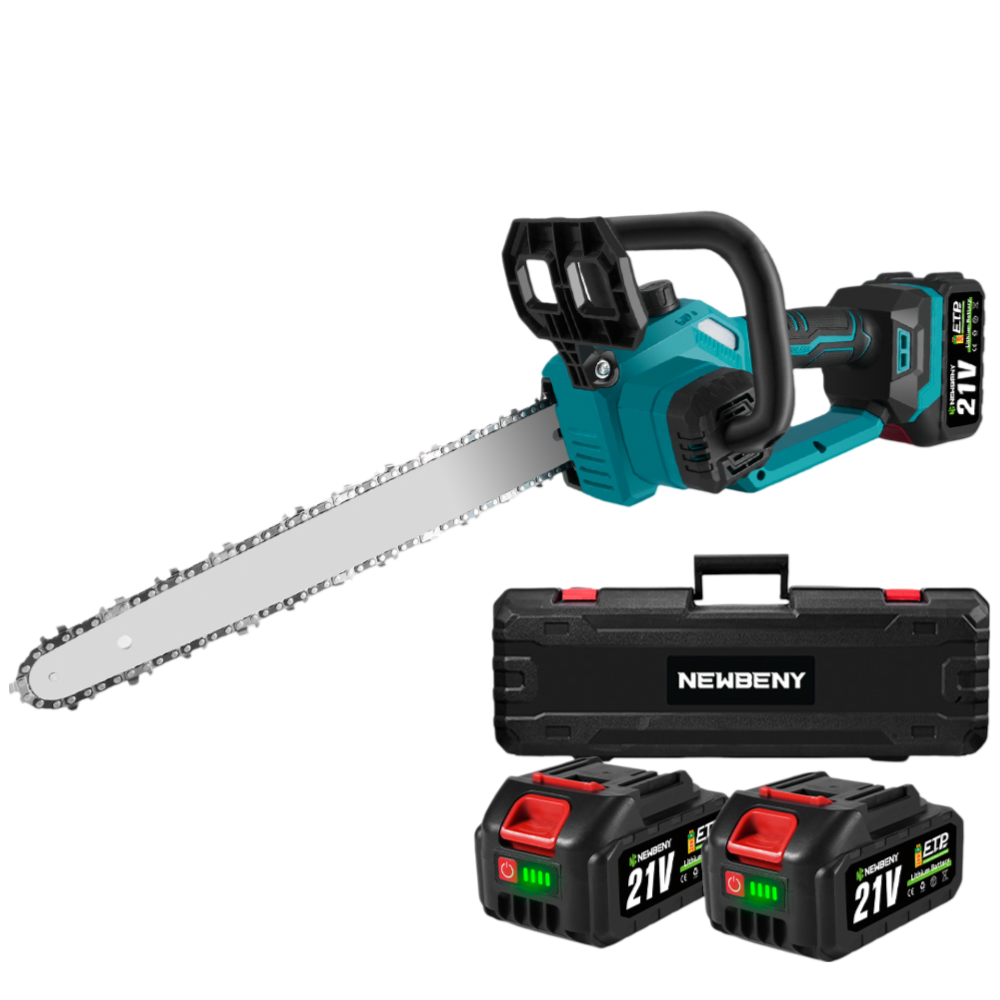
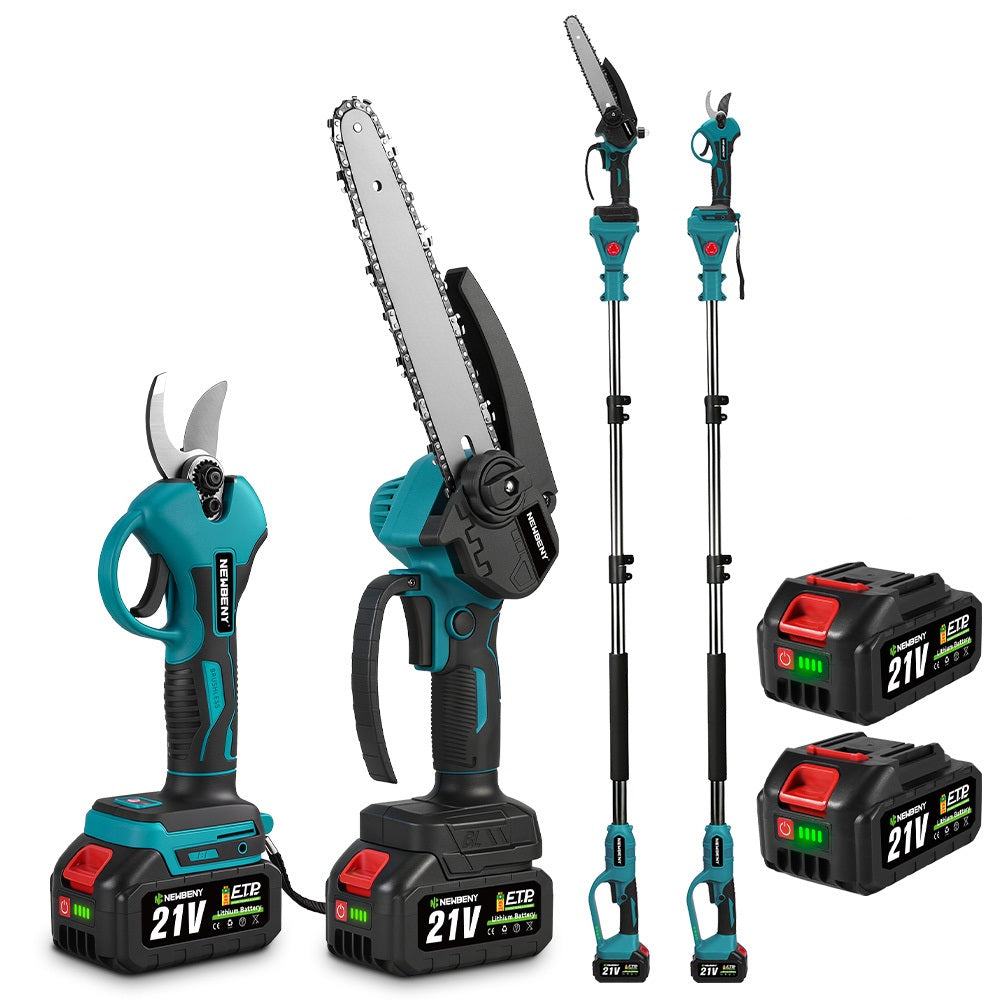
Regular cleaning is the most important part of chainsaw care. A clean cordless chainsaw cuts better and lasts longer. There is no need to pay for costly repairs in the future if you keep your machine in optimal condition. In several cases, people avoid and forget to clean their chainsaws, but it makes a big difference in how well the power tool will perform.
After each use, you should clean all debris, sap, and wood bits. These things build up and can cause wear and tear. Even tiny bits of wood dust and oil can hurt performance over time if you do not clean them properly. So, keeping your chainsaw clean is something very important for the best performance.
1. How to Clean the Chainsaw Chain
Why Chain Cleaning is Important
Regular cleaning of your chainsaw chain is essential. It prevents several issues that impact performance and the lifespan of your equipment. A clean chain also ensures safer and more efficient operation.
Reduces Inefficiency and Wear
A dirty chainsaw chain makes your cutting jobs harder. For example, pitch buildup on the teeth prevents smooth cutting. This forces your chainsaw to work harder, which leads to higher fuel consumption. The extra effort also causes more heat. This heat can wear out the chain and other parts of the chainsaw faster.
Improves Sharpening and Results
Cleaning the chain before you sharpen it is a must. It removes dirt and grime that could get in the way of proper sharpening. A clean chain lets you get a sharper edge. This leads to a cleaner and faster cut. It also makes the job easier on both you and the chainsaw.
Extends Equipment Lifespan
Your chain is constantly touching wood, sap, and dirt. This can cause gunk to build up. This buildup can damage not just the chain but also the guide bar. Keeping your chain clean helps reduce wear and tear on the entire cutting system. By keeping your chain clean, you help your equipment last longer.
Tools and Supplies Needed When Cleaning the Chainsaw Chain
You will require specific tools to clean your chainsaw chain properly. First, gather a stiff brush designed for chainsaw maintenance. Next, you will need a suitable cleaning solution. A degreaser or special chainsaw cleaner works well. You also need clean rags or paper towels for drying. Be sure to have chain lubricant ready for when you put it back together.
Other supplies include safety gloves and protective eyewear. Use a small container for soaking. That is also a good idea. You can also use compressed air to blow tough dirt out of tight spots. The chosen type of cleaner depends on the level of dirt on the chain.
Step-by-Step Guide to Cleaning the Chainsaw Chain
Step 1: Remove the Chain from the Bar
Before starting any maintenance on your cordless chainsaw, ensure the battery is disconnected. Safety is crucial when working on chainsaw parts. Loosen the chain tensioning mechanism. Follow your owner's manual for instructions. This will release the tension on the chain.
You will carefully slide the chain off the guide bar. Also, remember the direction the chain was facing to ensure correct reinstallation. Always wear gloves when handling the chain. The sharp teeth can cause an injury even when the saw is off.
Step 2: Use a Brush to Remove Debris and Residue
Brush away all the loose debris from the chain first. Work along the whole chain. Pay close attention to the cutting teeth and drive links. Apply firm pressure to remove stubborn particles.
Sometimes, simply brushing the chain is sufficient for cleaning. But this does not always work for very dirty chains. Focus on the areas where a lot of pitch builds up. This buildup usually gathers around the cutting edges.
Step 3: Soak the Chain in a Cleaning Solution
See if soaking is needed based on how dirty the chain is. For very dirty chains, get a cleaning solution ready in a container. There are commercial chain cleaner products, such as degreasers and solvent-based cleaners, that work effectively. You can also use degreasers for small engines.
Soak the chain completely in the solution for the time suggested. Soaking helps break down tough dirt that brushing cannot remove. What you use to clean a chainsaw depends on the type of dirt on it.
Step 4: Rinse and Dry the Chain Thoroughly
You must remove all residue from the cleaning solution before reassembly. Rinse the chain thoroughly with clean water, ensuring the complete removal of all cleaning agents. Shake excess water from the chain, then dry thoroughly with clean rags.
Apparently, moisture left on chain components can cause corrosion; however, proper drying prevents this issue. Allow the chain to air dry completely before proceeding to lubrication.
Step 5: Lubricate the Chain Before Reassembly
You need to apply appropriate chain oil before reinstalling the chain on your chainsaw. This lubrication protects against corrosion and reduces friction during operation. Apply oil to all chain components, paying particular attention to pivot points and cutting edges. NewBeny 8 Inch Brushless Cordless Chainsaw performs best when the chain receives proper lubrication immediately after cleaning. This step ensures smooth operation when you resume cutting tasks.
2. How to Clean the Chainsaw Bar
Importance of Bar Cleaning
Extends Equipment Life
Your chain is constantly touching wood, sap, and dirt. This can cause gunk to build up. This buildup can damage not just the chain but also the guide bar. Keeping your chain clean helps reduce wear and tear on the entire cutting system. By keeping your chain clean, you help your equipment last longer.
Ensures Smooth Operation
A clean bar makes cutting easier. Dirt in the bar groove can keep the chain from gliding smoothly. This affects your cuts. A clean groove lets the chain move freely. This leads to more precise and cleaner cuts.
Improves Oil Flow
You must understand the chainsaw bar needs regular cleaning to keep oil flowing. A dirty bar can clog the oil passages. This stops the oil from getting to the chain and bar. Proper oiling is key to good performance. Without it, the chain and bar wear out quickly.
Tools and Supplies Needed When Cleaning the Chainsaw Bar
You will need specific tools for proper bar cleaning.
- Gather a narrow brush or specialised bar groove cleaner
- Cleaning solvent
- Clean rags.
- Use a small pick or wire tool to clear oil ports.
The cleaning process requires attention to detail to ensure that the bar grooves remain clear for optimal chain operation. Clean a chainsaw bar using both mechanical tools and suitable cleaning agents.
Step-by-Step Guide to Cleaning the Chainsaw Bar
1. Remove the Bar from the Chainsaw
Take the battery out before removing any parts. Remove the chain first, as you did before. Then, remove the nuts or bolts that hold the bar to the chainsaw body.
Handle the bar with care. You want to avoid damage to the groove or mounting points. Check the bar for damage or too much wear before you start to clean it.
2. Inspect the Bar for Damage and Wear
Inspect the entire bar for any signs of damage, wear, or warping. Check the groove depth. Look for uneven wear patterns. This might indicate alignment issues. Similarly, inspect the tip sprocket if your bar includes this feature.
On the one hand, minor wear is a normal part of operation; on the other hand, excessive wear may require bar replacement. Document any damage you discover for future reference.
3. Clean the Bar with a Brush to Remove Debris
You must remove all debris from the bar groove. First of all, use a suitable cleaning tool. Then, work from one end to the other. Make sure to get rid of all wood particles, dirt, and old oil.
Pay special attention to the corners of the grooves. This is where debris often collects. Sometimes, compressed air can help get out stubborn particles, but this is not always needed.
4. Clean the Oil Port and Groove to Ensure Proper Lubrication
You need to verify that oil ports remain completely clear of obstructions. Use a small wire or pick to clear any blockages in oil delivery holes. Clean the entire groove thoroughly to ensure smooth oil distribution during operation. Consequently, proper oil flow depends on clean oil ports and groove channels. This step directly impacts the effectiveness of chain lubrication during cutting operations.
5. Reassemble the Bar After Cleaning
Inspect all mounting hardware components before reassembly. For this purpose, put a light coating of oil on the groove. This helps when you put the chain back on. Next, you will mount the bar securely. Also, double-check if it lines up correctly with the chainsaw body.
Finally, check that all fasteners are tightened to the right torque. Your owner's manual has the specifics. Your clean bar will now support the chain for the best performance.
3. How to Clean the Chainsaw Oiler
Importance of Cleaning the Oiler
Regular cleaning of your chainsaw oiler system is very important. A clean oiler system ensures a steady flow of oil to the chain. This prevents premature wear and overheating of your equipment. It also improves how efficiently your chainsaw works.
Prevents System Failures
A clean oiler system is less likely to fail. Cleaning its parts can prevent system failures that might damage your chain and bar. It also keeps your chainsaw running at its best. This regular maintenance helps you avoid costly repairs in the long run.
Improves Efficiency and Lubrication
A clean oiler system uses less oil. It provides better lubrication, too. It makes sure the right amount of oil gets to the chain. This keeps the chain running smoothly. It extends the life of your equipment.
Tools and Supplies for Cleaning the Oiler
You will need small brushes, a cleaning solvent, and compressed air if you have it. Get clean rags and the right oil for refilling after you clean. Cleaning the oiler needs precision. Small passages must stay completely clear to work right. The cleaning agent you use should be compatible with the materials of your chainsaw model.
Step-by-Step Guide to Cleaning the Chainsaw Oiler
Step 1: Locate the Oiler on the Chainsaw
You need to identify oiler components on your cordless chainsaw. Most systems include an oil reservoir, pump mechanism, and delivery passages. Consult your owner's manual for specific component locations on your NewBeny 8 Inch Brushless Cordless Chain Saw.
Understanding the oiler system layout helps you clean all necessary components thoroughly. Take note of accessible cleaning points before beginning the process.
Step 2: Inspect the Oiler for Blockages and Residue
Examine all the visible oiler parts for any dirt or blockages. You can start from hardened oil, debris, and corrosion on metal parts. Sometimes blockages are hidden inside. These blockages may not always be visible without disassembly. Focus your inspection on the areas where dirt usually builds up.
Step 3: Use a Brush to Clear Any Debris
You must remove all accessible debris using appropriate brushes or cleaning tools. Work carefully around delicate components to avoid damage during the learning process. Pay particular attention to oil pickup areas and delivery ports. Thorough cleaning at this stage prevents future operational problems.
Step 4: Check Oil Reservoir for Cleanliness
You can start by draining the oil reservoir. Clean it well. Remove all the old oil. Check if you find any dirt or debris. Clean the walls with the right solvent. Rinse it out completely. A clean oil reservoir stops fresh oil from getting dirty. This makes sure the lubrication system works best. This step directly helps your chain and bar last longer.
Step 5: Refill with Appropriate Oil After Cleaning
You should use only recommended oil types for your chainsaw oiler system. Fill the reservoir to the proper level according to the manufacturer's specifications. Fresh, clean oil in a properly maintained system provides optimal chain lubrication during operation. Your cleaned oiler system will now deliver consistent performance.
4. How to Clean the Battery Compartment
Importance of a Clean Battery Compartment
Cleaning your cordless chainsaw's battery compartment is a must. A dirty battery area can mess with the power. This can reduce how well your tool works. It can also cause problems like corrosion.
Ensures Consistent Power
A clean battery area helps your tool work reliably. Dirt and grime can block the flow of electricity. This can make the power cut out. It might also reduce your tool's run time. Keeping the connections clean ensures a steady flow of power.
Prevents Corrosion and Damage
Dirt and moisture around the battery connections can cause corrosion. This can harm your tool's parts for good. Cleaning the compartment regularly helps prevent this kind of damage. This extends the lifespan of both your battery and chainsaw.
Tools and Supplies Needed When Cleaning the Battery Compartment
You will need soft brushes, dry cloths, and electrical contact cleaner if corrosion appears. Avoid using water or wet cleaning methods in areas with electrical components. The battery compartment cleaning requires gentle techniques because the electrical connections are sensitive to aggressive cleaning methods. Use only cleaning materials specifically designed for use on electrical components.
Step-by-Step Guide to Cleaning the Battery Compartment
Step 1: Remove the Battery from the Chainsaw
The first step is to disconnect all electrical power before you clean the battery area. For this purpose, read the manufacturer's guidelines to remove the battery. Keep it in a safe place, away from your work area. Do not try to clean with the battery still in place. This can cause electrical damage or even hurt you.
Step 2: Inspect the Battery Compartment for Dirt and Corrosion
Inspect all the surfaces inside the battery area closely. Inspect the metal parts for any dust, dirt, or corrosion. Also, look for anything that might stop the battery from fitting correctly. Make a note of any corrosion or damage you find. These problems may require a professional to resolve them.
Step 3: Use a Soft Brush or Cloth to Clean the Area
Use gentle methods to remove all the dirt. Brush away any loose stuff. Wipe surfaces with a clean, dry cloth. Be cautious around the electrical contacts to avoid damaging them. You might have to clean some spots more than once. But don't use harsh methods. They are not always needed or a good idea.
Step 4: Ensure Battery Contacts are Clean and Free of Residue
After cleaning, ensure that all contacts are completely clean. If necessary, use an electrical contact cleaner to remove any corrosion. Clean contacts ensure a perfect connection when you reinsert the battery. This directly helps your chainsaw work its best.
5. How to Clean the Chainsaw Housing and Body
Importance of Cleaning the Housing
You must keep your chainsaw's housing clean. This stops dirt from building up. Buildup can block the cooling vents. It can also mess with how the parts work.
Maintains Proper Function
Clean housing helps your chainsaw run properly. Buildup can block the cooling vents. This can cause the engine to overheat. It can also get in the way of moving parts. Clean housing ensures everything works as it should.
Helps with Inspections
Cleaning the housing makes it easier to inspect your chainsaw. You can find problems like cracks or loose parts early. This can help you fix issues before they become serious. This practice prevents costly repairs down the line.
Protects Your Investment
A clean chainsaw not only functions efficiently but also looks professional. It can also keep its value better. Your chainsaw equipment represents a valuable investment. Keeping it clean is a part of proper care. It can help maintain its resale value if you decide to upgrade.
Tools and Supplies Needed When Cleaning the Chainsaw Housing and Body
You will need cleaning cloths, brushes for tight spaces, and mild cleaning solutions that are compatible with chainsaw materials. Gather both dry clothes for final polishing. Avoid harsh chemicals that might damage plastic components or finish materials. What to use to clean the chainsaw exterior should be gentle yet effective for removing accumulated dirt.
Step-by-Step Guide to Cleaning the Chainsaw Housing and Body
Step 1: Wipe Down the Exterior with a Damp Cloth
You need to remove surface dirt using a slightly dampened cloth. Work systematically over all exterior surfaces, paying particular attention to areas where dirt tends to accumulate. Be cautious around electrical components; excessive moisture can cause damage. Focus on cleaning without saturating any area with liquid.
Step 2: Use a Brush to Reach Tight Spaces
Use appropriate brushes to clean areas that cloths cannot reach effectively. Work carefully around controls, vents, and other detailed areas where debris tends to accumulate. Sometimes these tight spaces harbour significant debris, but not always will they require intensive cleaning efforts. Assess each area individually to determine its cleaning needs.
Step 3: Inspect for Any Damage or Loose Parts
You must examine your chainsaw thoroughly during the cleaning process. Look for loose fasteners, damaged components, and signs of excessive wear that might require attention. This inspection opportunity allows you to address minor issues before they develop into major problems. Document any concerns for future reference or professional attention.
6. Conclusion
Regular cleaning is the most important part of chainsaw care. A clean chainsaw cuts better and lasts longer. It prevents costly future repairs. Dirt, sap, and wood bits build up, and these things badly impact the performance of a cordless chainsaw over time. Cleaning all the parts after each use makes a big difference. It helps your tool perform its best. You can avoid having to pay for costly repairs down the road.
7. FAQs
How often should I clean my cordless chainsaw?
You should clean your cordless chainsaw after each use session, or at the very least after every 5 hours of operation. Heavy use or cutting resinous woods may require more frequent cleaning.
What cleaning agents are safe for my chainsaw?
You can use specialised chainsaw cleaners, mild degreasers, or automotive cleaning products designed for small engines. Avoid harsh chemicals that might damage plastic components or rubber seals.
Can I use a pressure washer to clean my cordless chainsaw?
You should never use a pressure washer on cordless chainsaws because high-pressure water can damage electrical components, force debris into bearings, or compromise seals.
How do I know if my chainsaw chain needs to be cleaned?
You will notice reduced cutting performance, excessive heating, visible debris buildup, or difficulty with chain movement around the bar when cleaning becomes necessary.
Can I clean my chainsaw without disassembly?
You can perform basic exterior cleaning without disassembly; however, thorough cleaning of critical components, such as the chain, bar, and oiler system, requires partial disassembly for proper access.