When it comes to maintaining your cutting equipment, understanding how to file sharpen a chainsaw is essential. You require more than a jagged edge for efficient cutting; you need precision. Therefore, you must keep your machine functioning smoothly. Manual filing is a preferred, simple, and affordable technique for many users. This allows them to sharpen a chainsaw chain with a file and sustain their chainsaw's peak performance, whether in the timberland or in a workshop.
1. The Importance of Sharp Chainsaw Blades
A sharp chainsaw blade dramatically enhances cutting power and overall efficiency. A truly sharp cutter, maintained with a file, acts like a miniature wood chisel on the wood fibers. Consequently, it cleaves through the material cleanly and swiftly with minimal resistance. This superior action allows the chain to draw itself into the wood effortlessly.
Using a sharp chain substantially reduces the physical exertion demanded of the operator. This proper function minimizes the need for the user to push and strain the equipment. Conversely, a dull blade compels the user to apply excessive downward force. This strain quickly leads to rapid operator tiredness and fatigue. It also increases stress on the chainsaw's engine.
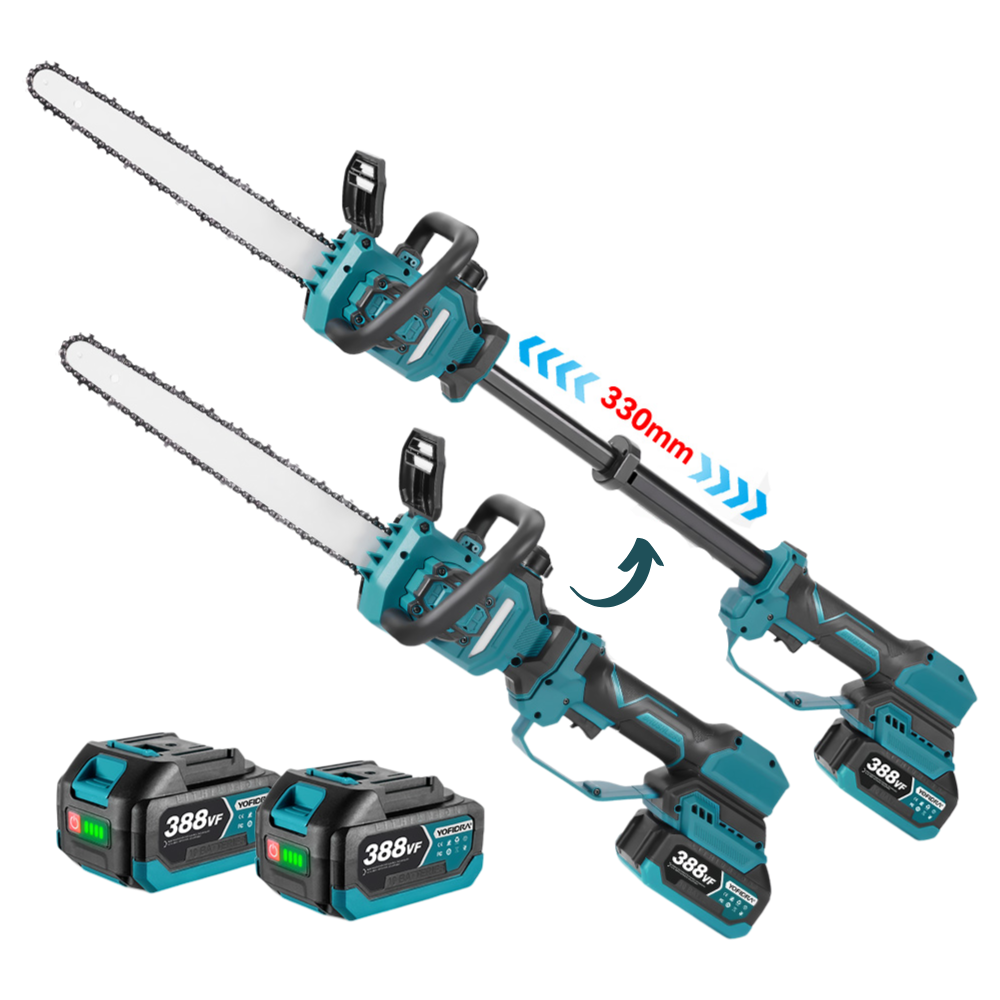
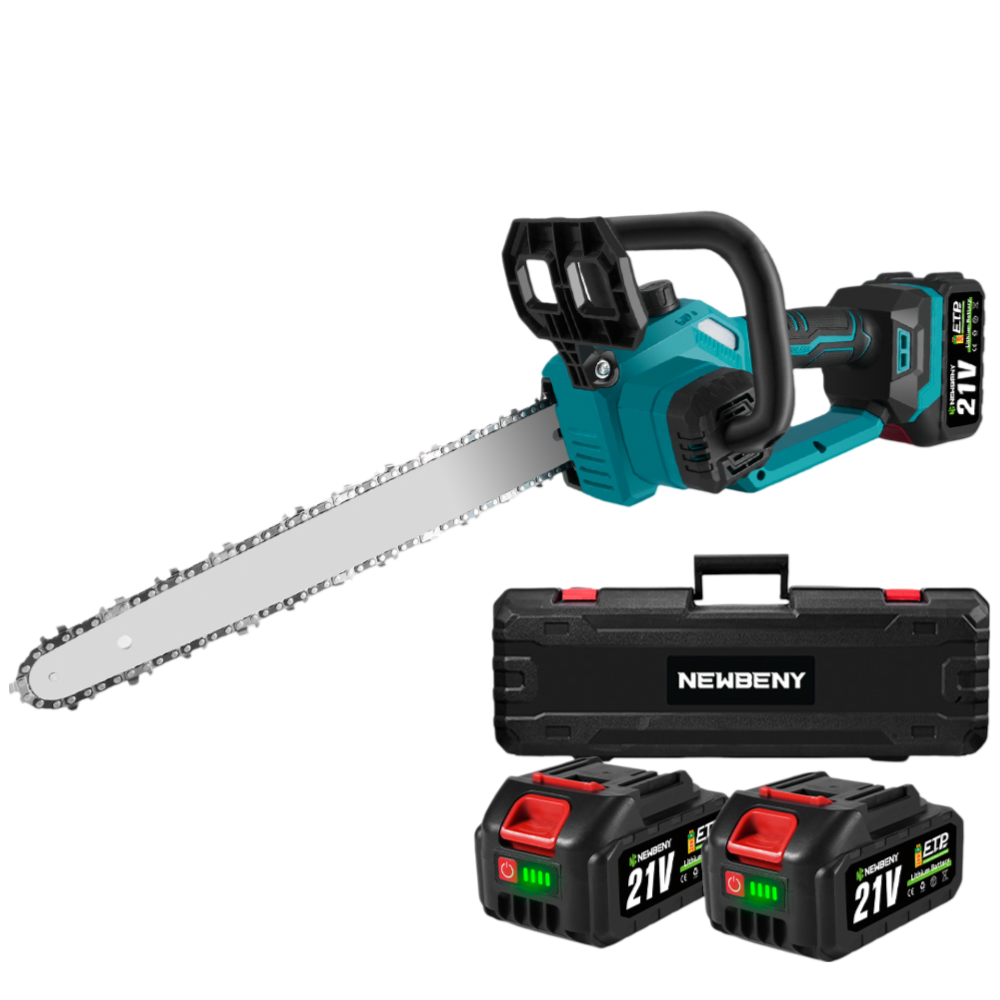
Preserving an acute chain significantly increases the safety of your cutting operation. A dull blade not only makes the job harder but also increases the possibility of dangerous kickback. This elevated risk can lead to potential accidents and injuries for the user. For example, preserving an acute chain on your NewBeny 3500W 8 Inch Brushless Cordless Chain Saw guarantees fluid, rapid action. Thus, it ensures safer, more potent equipment utilization.
The upkeep of a chainsaw chain is vital for several reasons. A sharp chain ensures maximum cutting efficiency, acting like a clean wood chisel. This sharpness also greatly reduces operator fatigue and stress on the engine.
2. Signs of a Blunt Chain
The incorrect edge is the primary source of slow output and poor quality cuts. You know it is time to sharpen a chainsaw when you notice these distinct operational cues.
Elevated Effort
The most obvious clue is that you must aggressively force the saw through the wood. This happens instead of allowing the keen chain's cutters to remove the material naturally.
Fumes
If the chain is producing excessive heat and smoke while cutting—even when the oil reservoir is full and the chain is oiled— This suggests the cutters are tearing and charring the wood fibers. They are not slicing them.
Rough Surfaces
Instead of a smooth, clean passage, the cut surface is frayed, splintered, and coarse. This confirms the cutters are ripping the material.
Wood Chip Texture
A keen chain creates thick, consistent, ribbonlike wood chips. Conversely, a blunt chain produces fine, powdery sawdust. This sawdust is waste rather than an effective removal.
Vibration and Movement
A blunt chain causes excessive vibration and bouncing on the log. Consequently, this makes the chainsaw harder to govern and less accurate.
3. How to Choose the Correct File Size for your Chainsaw
The correct file size makes all the difference in achieving a precise edge. You must match the file diameter to the pitch and gauge of your chain. Employing the wrong size will destroy the cutter's profile. This leads to poor cutting and premature deterioration.
Determine Chain Pitch and Gauge
This critical data is typically stamped directly on the chainsaw's guide bar. Moreover, it is often listed in the owner's manual for your specific chainsaw model. The pitch is the distance between three successive rivets, divided by the number of rivets, commonly expressed in inches. The gauge is the thickness of the drive links that move in the bar channel.
Consult a Sizing Chart
Refer to the chain manufacturer's chart. Use a general file sizing guide to accurately cross-reference your chain's pitch with the corresponding round file diameter.
Ensure Appropriate Contact
The correct file size ensures that approximately one-fifth of the file's diameter remains above the cutter's top plate when the file rests in the gullet. This elevation is necessary; consequently, it ensures you sharpen both the top plate and the side plate precisely.
4.Tools and Materials Necessary for Sharpening
To properly file a chainsaw chain with the demanded meticulousness, you require a specialized set of implements. Attempting to use non-specialized tools will yield an inferior, uneven edge.
Essential Tools for Sharpening
Chainsaw Files
These are the central instruments, sized specifically for the chain pitch. They are employed for shaping and refining the cutting extremity of the tooth.
File Guide a Filing Jig
This supplemental yet highly recommended tool clamps onto the cutter and physically directs the round file. It ensures the angle and height are maintained uniformly across every tooth.
Depth Gauge Tool
This is a small metal template with a slot. It is used to measure and verify the correct elevation of the depth gauge, also known as the raker, before it is filed.
Flat File for Depth Gauges
This rectangular file is utilized exclusively to decrease the elevation of the depth gauges. It creates the precise bevel on the rake required for peak wood chip thickness.
Safety Gear
Always wear heavy-duty gloves and safety goggles to protect your hands from sharp cutters and your eyes from metal shavings and debris.
Vise
A workbench vise or a portable stump vise is essential for securing the chainsaw.
5. Preparing to Sharpen the Chainsaw Chain with a File
Before the first pass of the file, proper preparation is necessary. This ensures safety and superior quality.
Safety Precautions
Safety Gear
Before you sharpen a chainsaw with a file, always put on your gloves and goggles. Filing generates sharp metal shavings and debris.
Furthermore, the cutters themselves are extremely sharp and present a laceration danger.
The Value of Securing the Chainsaw
The chainsaw must be rendered absolutely motionless. A shifting, moving chainsaw is not only hazardous, but it also makes it impossible to apply even, steady pressure. Secure the saw firmly before commencing.
Inspecting the Chain Before Sharpening
Checking for Damage to Wear
Visually examine every single link of the chain. Look for indications of damage, such as broken cutters, deep fissures, bent links, a severe operational decline, like chips, cracks, or bluing from overheating. Even minor damage can jeopardize the entire chain's integrity.
Value of Replacing Damaged Parts
Do not attempt to sharpen a damaged chain. Any cutter with a large chip, any link that is cracked, or a severely bent component must be addressed immediately. Replace damaged parts. If the damage is extensive, replace the entire chain. Addressing damage before sharpening is crucial. This ensures both safety and optimal performance for the user.
6. Step-by-Step Guide to Sharpening a Chainsaw with a File
The procedure for filing a chainsaw is methodical. It must be adhered to for the best results.
Step 1: Secure the Chainsaw
Stabilize the chainsaw to prevent any movement during sharpening. Clamp the nose of the guide bar securely in a workbench vise or a portable stump vise hammered into a log. Engage the chain brake to keep the chain from revolving freely.
Step 2: Determine the Correct Angle
The correct sharpening angle is vital for the cutter's aggressive action. The top plate sharpening angle is typically 30 degrees for most standard chainsaw chains. Nonetheless, you must check your manual, as some specialized chains employ 25 degrees to 35 degrees. Align the file guide at the correct angle relative to the guide bar and the chain's side plate.
Step 3: Filing the Cutters
Step 3.1: Position the File in the Cutter
Place the round file inside the cutter, resting it in the gullet. If utilizing a file guide, ensure it rests flat and correctly registers the prescribed angle.
Step 3.2: Apply Uniform Pressure
Use smooth, even, purposeful strokes. Push the file only on the forward stroke away from you. Lift the file completely off the tooth on the return stroke. The file is designed to cut in one direction exclusively. Apply force consistently across the tooth surface until you notice a small, delicate burr roll over the top edge.
Step 3.3: Calculate the Strokes
To maintain flawless consistency in tooth length and angle—which is critical for straight cutting—calculate the number of strokes required to achieve a sharp edge on the first cutter. You must use that identical number of strokes, typically between 3 and 10, for every other cutter on the chain. This guarantees the chain cuts straight.
Step 4: Sharpening Alternate Cutters
Since the cutters alternate direction on the chain, you must sharpen them in two phases:
- Start with all the cutters that face one way.
- Once all of those are sharpened, release the chain brake. Next, pull the chain forward to reveal the remaining cutters, the right-facing teeth, and re-engage the brake.
- Change your position, the angle you hold the file. Then, sharpen the remaining cutters, always pushing the file away from you.
Step 5: Sharpening the Depth Gauges
The depth gauge tool controls the amount of wood the cutter removes with each pass.
- Use the depth gauge tool and the template to check the elevation of the raker. Place the tool over the top of the chain.
- If the measurement of the rake stands above the slot in the depth gauge tool, it needs to be reduced.
- Use the flat file to carefully file the top of the raker down until it is perfectly level with the guide tool.
- Remove the guide tool. Then, round off the leading extremity of the raker slightly with the flat file to allow for smooth reentry into the wood.
NewBeny 42V 16-Inch Brushless Cordless Chainsaw has an 80 cm cutting diameter and a 16-inch guide plate. The 20 m/s chain speed is very fast, which is built for speed and accuracy.
7. Tips for Effective Chainsaw Filing
Achieving a professional edge requires attention to these particulars. These particulars enhance the technique and lengthen the service life of your chain and file.
- Choose the Correct File
- Employ a Sharpening Guide
- Secure the Chain
- Sharpen One Tooth at a Time
- Maintain Steady Pressure and Stroke
- Check for Damage
- Sharpen Depth Gauges
- Keep the Chain Clean
- Sharpen Frequently
- Practice Yields Excellence
File Size
Confirm the diameter matches your pitch. A minor mismatch will only contact a tiny portion of the tooth. Consequently, this destroys the essential cutting angle and potentially weakens the tooth itself.
Flat and Round Files
Never swap their roles. The round file forms the curvature of the cutting edge and gullet. Conversely, the flat file is reserved for the precise, straight extremity of the depth gauge.
Filing Guides
These are the simplest methods to eliminate speculation and guarantee the correct angles. They ensure the file rests at the exact manufacturer-specified angle and prevent the file from dipping down into the gullet. This dipping diminishes the hook angle.
Angle Uniformity
Maintaining the 30-degree angle is necessary for straight cutting. A guide fastens this uniformity, especially for novice sharpeners.
Secure the guide bar tightly in a vise. Any shaking or slipping during the push stroke will cause the file to jump and damage the metal. This leads to an uneven edge. A secured chain permits maximum pressure regulation.
Do not accelerate the process. Concentrate on getting a clean, extremely sharp edge on a single cutter. You should see a uniform shaving of metal coming off the tooth. Moreover, the resulting edge should feel acute without a large, rolled-over burr.
Uniform Pressure
All strokes must be firm and even from start to completion. Uneven pressure leads to a wavy, feeble cutting edge that dulls quickly.
File in One Direction
The round file's teeth are angled to cut on the forward push stroke only. Lifting the file on the return stroke preserves the file's sharpness and prohibits harm to the freshly created edge.
Examine Teeth for Damage
Always look for chips, cracks, and signs of excessive heat damage after sharpening, when the metal is clean and polished.
Raker Elevation
Do not neglect this stage. Sharpening the rake is crucial. If they are too high, the cutter cannot reach the wood. Conversely, if the depth gauge is too low, the cutter digs in too aggressively, causing the chainsaw to vibrate uncontrollably.
Employ a Depth Gauge Tool
This implement guarantees the rake is filed to the perfect, standardized elevation relative to the cutting edge. This translates directly to peak wood chip thickness.
Remove Debris
Wipe the chain clean of sticky sap, oil, and sawdust before starting. Sharpening a filthy chain fills the file's teeth with grit. This reduces its efficacy and causes it to dull rapidly.
Do not wait until the chain is completely blunt. Sharpening after every hour of cutting and after impacting the ground is frequently called a "touch-up." It takes fewer strokes, perhaps 2 to 3 per tooth, and removes less material. Furthermore, it significantly extends the chain's overall usable life.
Mastering the feel of the file and the necessary angle necessitates experience. Consistent, purposeful practice over time will result in quicker, more professional outcomes. This is better than relying exclusively on a jig.
8. Conclusion
Mastering how to file a chainsaw is a fundamental aptitude that directly impacts your output and security. Routine maintenance utilizing the file sharpening technique ensures your chain remains razor-sharp, lessening strain on both you and your chainsaw's motor. An acute chain on any instrument, including the robust Newbeny cordless chainsaw, provides cleaner, quicker cuts and a substantially longer service duration.
9. FAQs
How often should I file sharpen my cordless chainsaw?
You should plan to file sharpen the cordless chainsaw chain after every 1 to 2 hours of strenuous cutting or whenever you notice a distinct reduction in cutting capability. Even slight bluntness increases the exertion required.
Can I use a power instrument instead of a file?
While electric rotary tool grinders are obtainable, this guide focuses on how to file a chainsaw chain. Filing is generally favored by many professionals because it removes less material from the cutter. This extends the chain service life. Moreover, it lowers the chance of overheating and inaccurately altering the tooth's profile.
Is it safe to sharpen a cordless chainsaw chain at home?
Yes, it is absolutely safe to sharpen a cordless chainsaw chain at home if you adhere to all the detailed security precautions. The primary needs are securing the chainsaw firmly in a vise, engaging the chain brake, and wearing your safety goggles and gloves.