
When a chainsaw fails to start despite repeated attempts, the issue is frequently flooding. Flooding occurs when an excessive quantity of fuel in gas chainsaws or an overload of electrical current in corded chainsaws is present at the ignition point or in the system's starting mechanism.
This causes a ratio imbalance, leaving the system's mixture too rich for ignition or its electrical components overwhelmed. Consequently, the machine cannot perform the necessary action to ignite or engage the motor. Understanding how to unflood a chainsaw is vital for any equipment operator seeking reliability and minimal downtime.
1. Signs of a Flooded Chainsaw
A flooded machine exhibits specific, recognizable symptoms. Recognizing these signs helps operators determine the correct procedure to clear the chamber. This precise diagnosis prevents unnecessary troubleshooting.
Symptoms Indicating Flooding
1. Gas Chainsaw Fuel Chainsaw
Flooding is most common in gas-powered units because of the presence of the complex carburetor and the choke mechanism. This mechanism is designed to enrich the fuel mixture for cold starting.
Difficulty Starting
The engine may sputter once or twice as if about to run, but it quickly fails to catch and sustain operation. It may simply refuse to rotate after many attempts on the pull cord. The engine sounds "wet" and heavily resistant during pulls.
Wet Spark Plug
After removing the spark plug from the cylinder head, you will find its electrodes and insulator tip visibly soaked with liquid gasoline. This is definitive, irrefutable proof of a flooding condition.
Excessive Smoke
If the engine briefly starts, it often emits an excessive quantity of thick, dark, noxious exhaust. This occurs because the overly rich fuel mixture is partially burning off the excess hydrocarbons.
Strong Gasoline Odor
A potent, unmistakable smell of raw, unburned fuel emanates from the engine casing, specifically near the carburetor and the exhaust port. This odor is much stronger than during normal operation.
Engine Stalling
The engine may fire on the first pull but immediately stall and die out within seconds because the mixture is too rich for sustained combustion.
2. Pull Start Chainsaw Manual Start
These are synonymous with gas-powered chainsaw. The symptoms remain similar, stemming from the same mechanical failure to ignite the rich mixture.
Starting Difficulties
The pull cord might feel unusually stiff, offering hydrostatic lock resistance. This happens because incompressible fuel occupies space in the cylinder. The engine offers resistance without actually achieving combustion.
Wet Spark Plug
As with all fuel engines, a heavily soaked plug indicates a clear accumulation of excess fuel in the combustion chamber.
Backfiring
Occasionally, an aggressive attempt to start a severely flooded engine results in a loud pop or bang, often heard from the muffler or air filter housing. This is called backfiring. It occurs when excess, unburned fuel ignites in the exhaust system or the intake manifold.
Unstable Engine Performance
If it runs, the motor "hunts" and idles roughly with inconsistent RPMs until the excess fuel is gradually cleared through combustion.
3. Cordless Chainsaw
Cordless chainsaws do not use fuel. Thus, they cannot suffer classic "flooding." However, the operational equivalent involves excessive electrical current draw and subsequent thermal stress. This electrical overload mimics the failure to start that occurs in a flooded gas engine. These signs indicate an electrical overload, which prevents the machine from starting.
No Start
The machine gives no indication of motor power or rotation when the trigger is pulled, even with a charged battery. The power is instantly inhibited.
Heating a Smoking
The motor assembly in the battery compartment may become excessively hot to the touch. In severe, sustained overload situations, you may notice thin, localized smoke. This is often the result of an overcurrent event.
Burnt Smell
A distinct, acrid odor, similar to burnt plastic, varnish, and wiring insulation, indicates that the motor or circuit board is electrically stressed and may have component damage.
The internal battery management system BMS detects a dangerous spike in electrical demand or draw, frequently caused by a mechanical bind. It automatically initiates a protective shutdown of the power supply to shield the sensitive components of the cordless chainsaw.
NewBeny 42V 16-Inch Brushless Cordless Chainsaw comes with a safety-first design. It has a hand guard board, which gives homeowners and professionals enhanced grip and protection against debris.
Differentiating Between Flooding and Other Issues
Flooding is often confused with other operational problems, such as ignition failure and fuel delivery issues. Understanding the precise differences is critical for proper diagnosis and efficient repair.
|
Symptom |
Flooding (Gas) |
Spark Plug Issue |
Fuel Quality (Gas) |
Electrical Overload (Cordless) |
|
Spark Plug Appearance |
Plug is visibly wet with liquid gasoline. There is a strong odor of raw fuel. |
Plug is dry, excessively fouled with black carbon, and has visible damage to the ceramic insulator. |
Plug is wet, but the fuel may look varnish, smell stale, or be discolored. |
Not applicable to a battery chainsaw. |
|
Starting Attempt |
Engine sputters, sounds "wet" and gives a strong gasoline smell from the exhaust. |
The Engine offers no compression resistance and does not smell of fuel, just cranks without firing. |
The Engine tries but clearly lacks power, smells of varnish, and runs poorly if it starts. |
The Machine instantly cuts out, sometimes with a flashing light, and provides no power to the motor. |
|
Pull Cord Feel |
Often stiff and highly resistant due to incompressible fuel filling the cylinder volume. |
Normal resistance is a compression. |
Normal resistance is a compression. |
Not applicable, as there is no manual starting mechanism. |
|
Exhaust |
Heavy, thick, dark smoke. |
Normal a light smoke upon starting. |
May be normal, but the engine runs sluggishly and lacks cutting power. |
No exhaust. |
2. How to Unflood a Chainsaw
The procedure to safely clear the engine varies significantly based on the power source of the machine. Precision is key.
How to Unflood a Gas-Powered Chainsaw
The objective is to physically clear the excess liquid fuel from the cylinder and completely dry the spark plug. This process restores the critical air-fuel balance necessary for combustion. This is the correct way to correct how to unflood a chainsaw.
Remove the Air Filter
Take off the air filter cover and remove the filter element itself. This is done to maximize airflow into the intake manifold. Extra air helps to dilute the rich fuel mixture remaining in the system.
Remove the Spark Plug
Use a correctly sized spark plug wrench to carefully remove the plug from the cylinder head. Always disconnect the high-tension spark plug wire boot first. Be careful not to damage the ceramic insulator.
Dry the Plug
Use a clean, lint-free rag and paper towel to thoroughly dry the spark plug, paying close attention to the electrodes and ceramic tip. If the plug is heavily fouled with soot and if it has been flooded multiple times, it is highly advisable to replace it entirely with a new, correctly gapped plug.
Clear the Cylinder
Place the chainsaw on a stable surface with the spark plug hole facing upwards and slightly downwards. Pull the starter cord 10 to 15 times slowly and deliberately. This action rapidly cycles the piston, turning the engine over and expelling the excess raw fuel out of the open spark plug hole. You should visibly see mist and liquid fuel escaping the cylinder.
Reassemble and Attempt Start
Reinstall the dried spark plug and tighten it to the correct torque specification. Reconnect the spark plug wire boot securely. Set the choke control to the OFF position and the RUN position. This is the fast idle position for many chainsaws. Pull the starter cord quickly and forcefully, but without jerking. This setting allows maximum air into the cylinder to balance the rich mixture. The chainsaw should fire quickly now that the excessive fuel is cleared.
Warm Up
Once the engine starts, let it run for a full minute at idle and a light throttle setting. This allows the motor to warm up and ensures any remaining rich mixture is fully burned off before you commence cutting operations.
How to Unflood a Corded Electric Chainsaw
This type of chainsaw cannot flood with fuel. Its failure to start is due to an internal protective electrical shutdown, frequently caused by excess strain or short circuit. Flooding is an inappropriate term for this type of machine.
Disconnect Power
Unplug the chainsaw immediately from the electrical outlet. This eliminates the source of the electrical fault.
Inspect Motor and Components
Allow the chainsaw to cool completely for a minimum of 30 minutes. An immediate restart attempt could trip the house circuit breaker and cause catastrophic motor damage if a fault persists.
Check Chain and Bar
Ensure the chain brake is fully disengaged. Verify the chain is correctly tensioned and moving absolutely freely by hand. Excessive friction, a mechanical bind in the chain system, can cause the motor to lock up and trigger an electrical shutdown.
Reset Circuitry
Some professional models have a surge protection feature, a manual reset button, and a lever near the handle. Consult the owner's manual precisely and press the reset button if one is present. This reengages the protective circuit.
Test Start
Plug the chainsaw back into a known functioning outlet. Attempt to start the machine by pulling the trigger. If the motor fails to engage and trip the outlet's breaker, unplug the chainsaw and contact an authorized service technician immediately. Do not try again.
How to Unflood a Cordless Electric Chainsaw
Similar to the corded model, this machine experiences an internal electrical shutdown due to component stress and overcurrent on the battery system.
Remove the Battery
Immediately disconnect and remove the cordless chainsaw battery from the tool housing. Place the battery in a cool, dry area away from the chainsaw.
Inspect Battery and Terminals
Thoroughly check the battery terminals on both the chainsaw and the battery pack. They must be clean, dry, and completely free of dirt and corrosion. A poor connection increases resistance, leading to heat and shutdown.
Cool Down
Allow both the chainsaw and the battery to cool completely for at least 30 minutes. This provides the internal battery management system BMS time to reset after the overcurrent event. Battery packs will not restart a charge properly until they reach a safe operating temperature.
Check for Obstructions
Ensure the chainsaw blade and chain system are completely clear of all obstructions. Confirm the chain brake is off. A physically jammed chain can cause the powerful motor to draw a surge of current.
Reinsert and Test
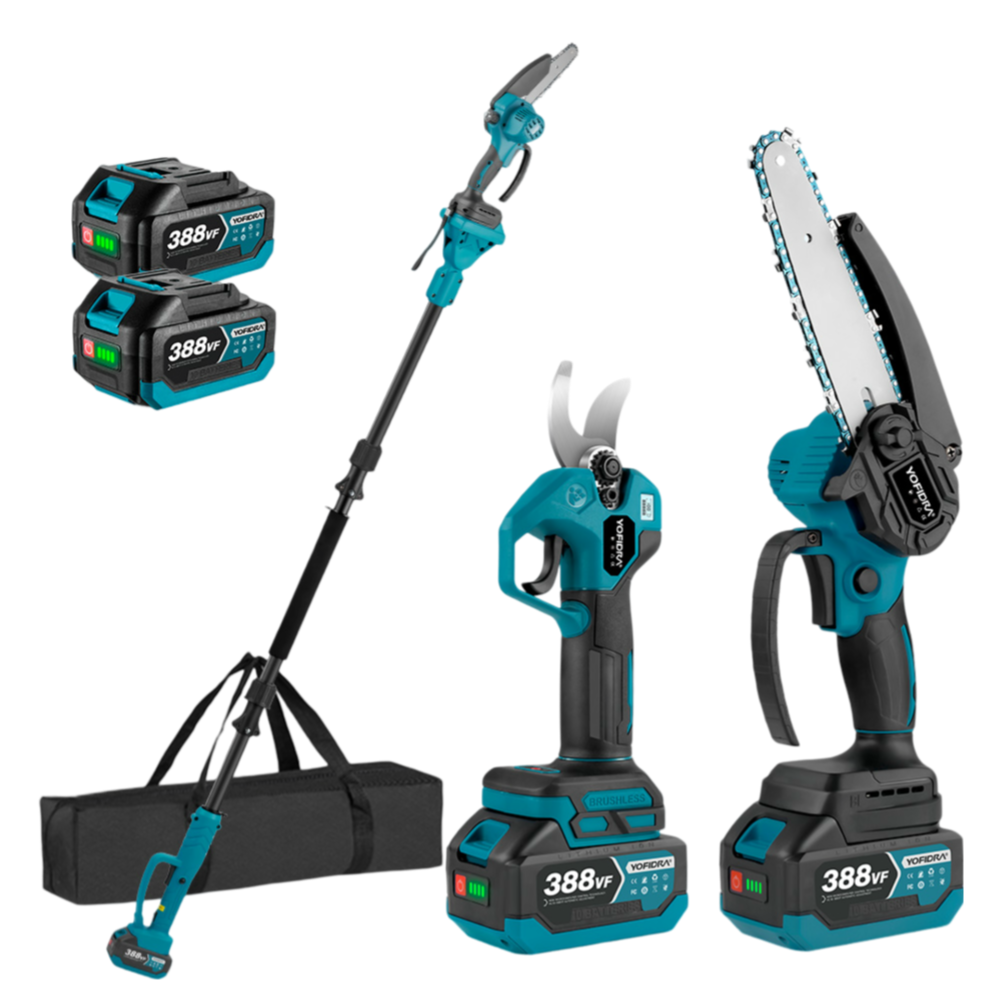
Reinsert the fully cooled battery pack securely. Attempt a restart. If the chainsaw fails to run or immediately shuts off, the battery pack or the chainsaw's control board requires service. However, do not attempt repeated starts, as this can risk permanent damage. NewBeny Cordless 6" Chainsaw features a digital battery indicator and comes with a large-capacity battery. This makes it perfect for many gardening and farming jobs.
3. Tips to Avoid Flooding a Chainsaw
Prevention is always simpler, less expensive, and quicker than fixing the problem. Follow these specific guidelines to avoid the issue entirely.
Tips to Avoid Flooding a Gas-Powered Chainsaw
Avoiding fuel flooding in a fuel chainsaw is a matter of correct starting technique and meticulous preparation.
Use the Correct Choke Setting
Always follow the manufacturer's exact, detailed starting procedure for cold and warm starts. The vast majority of flooding occurs because operators pull the starter cord with the choke engaged too many times. This is the primary cause of flooding. Move the choke to the run position immediately upon hearing the very first sputter and a pop from the engine.
Limit Pulls on the Starter
Limit the number of pulls with the choke fully engaged to prevent flooding. Typically, 1 to 3 smooth pulls are sufficient to prime the engine with fuel. Excessive pulls forcefully inject too much fuel into the cylinder, which increases the likelihood of flooding.
Check Fuel Quality
Use fresh, high-quality gasoline mixed with the correct two-stroke oil ratio. Stale gasoline degrades, losing its volatile components, and causes poor combustion. This degraded performance can mimic a flooding condition. Never leave mixed fuel in the chainsaw's tank for longer than 30 days.
Inspect the Spark Plug
Regularly inspect the spark plug, at least once every month of heavy use. A weak, fouled, or incorrectly gapped plug cannot create a hot spark effectively. This leaves residual, unburned fuel in the cylinder and eventually causes flooding.
Proper Maintenance
Clean the air filter frequently, ideally after every five hours of use, depending on operating conditions. A dirty air filter restricts the vital flow of air. This creates a situation where the fuel mixture is excessively rich, significantly increasing the likelihood of flooding.
Tips to Avoid Flooding a Corded Electric Chainsaw
Since these corded chainsaws do not use fuel, "flooding" means electrical overload. Avoiding this requires careful attention to the electrical supply and physical limits.
Use Appropriate Power
Always plug the chainsaw into an electrical supply capable of handling its high amperage requirements. Use the correct gauge extension cord specified by the manufacturer; using an undersized cord can cause a voltage drop, leading to strain on the motor.
Avoid Overloading
Do not force the chainsaw through thick hard wood faster than it is designed to cut. Overworking the blade and motor increases current draw dramatically. This sustained high draw triggers the protective shutdowns.
Keep the Cord Dry
Moisture is a serious electrical hazard and can cause a short circuit. Never operate the chainsaw in heavy rain or where the cord is submerged in deep puddles.
Follow Starting Instructions
Ensure the chain brake is fully disengaged and that the saw is not attempting to cut wood (known as being under load) while starting the machine.
Tips to Avoid Flooding a Cordless Electric Chainsaw
Preventing electrical failure in a "flooded" state in a battery chainsaw involves careful use of the power source and the cutting system.
Fully Charge Batteries
Always start work with a fully charged battery pack. Low batteries struggle significantly to meet the motor's full power demand. This makes them highly prone to a protective safety shutdown when the motor strains during a cut.
Avoid Over-Pulling
Do not hold the trigger down while attempting to cut material beyond the chainsaw's safe capability at its bar length. This causes a sudden, sustained overcurrent that signals a fault and shuts down the BMS.
Use the Right Cutting Technique
Let the chainsaw's motor speed stabilize completely before engaging the wood. Use smooth, consistent, light pressure. Do not try to push the motor. Allow the rotating teeth to do the work.
Regular Maintenance
Keep the bar groove and chain path clean of debris, sap, and sawdust. A clogged system increases mechanical friction and resistance. This resistance forces the motor to draw excess current, triggering a safety cutoff in your chainsaw.
4. Conclusion
Understanding how to unflood a chainsaw is vital for maximizing equipment uptime and minimizing frustration. For traditional gas models, the process centers on removing the excess fuel from the cylinder and completely drying the spark plug. For modern electric models, the equivalent fix involves cooling the motor and securely resetting the electrical protection system after an over current event. Following correct starting procedures, limiting pull attempts, and maintaining clean components are the best strategies to avoid these disruptive issues entirely.
5. FAQs
What should I do if my chainsaw still won’t start after unflooding?
If the gas chainsaw fails to start after successfully clearing the cylinder and drying the plug, the problem is not flooding. The issue is likely a lack of spark, a significant lack of air, a severe carburetor adjustment problem, or damaged internal seal. Check the spark plug gap precisely. Ensure the air filter is spotless. If issues persist, seek professional service from a qualified chainsaw repair technician.
Is it safe to try to start a flooded chainsaw?
It is safe to attempt to clear the cylinder by removing the spark plug. However, do not repeatedly pull the cord on a visibly flooded engine. Repeated attempts achieve nothing useful. They can foul the plug further, saturate the engine components, and strain the starting mechanism. Always perform the clear flood procedure before attempting a restart.
Can I use my cordless chainsaw in cold weather if it gets flooded?
A cordless chainsaw does not flood with fuel. However, cold weather can severely affect the battery's performance and cause a similar no-start condition. Use the battery and chainsaw only within the manufacturer's specified temperature range. Cold batteries deliver less current and are far more susceptible to safety shutdowns when suddenly placed under high load.
Is it safe to charge my cordless chainsaw battery immediately after it floods?
Do not attempt to charge a battery immediately after a potential electrical overload or and overheating event. Allow the battery to cool completely to room temperature. This ensures the internal temperature sensors and BMS are functioning correctly and prevent damage to the charging circuit.
What are the advantages of using a cordless chainsaw over a gas-powered model regarding flooding?
The main advantage is that a battery chainsaw eliminates all issues related to liquid fuel, choke settings, and carburetor complexity. It cannot be flooded in the traditional sense. Its "flooding" is an electrical shutdown that protects expensive components. This shutdown is typically resolved simply by cooling down and resetting the system, without tools and messy fuel.